THE ADVENTURE COLLECTIVE® · Independent discovery and booking for outdoor travel

Move from Tokyo's neon arteries to the steaming caldera of Hakone and the temple-lined streets of Kyoto on a private 10-day tour. Expect curated logistics, scenic viewpoints of Mount Fuji, cultural ceremonies, and efficient shinkansen transfers.
Move from Tokyo's neon arteries to the steaming caldera of Hakone and the temple-lined streets of Kyoto on a private 10-day tour. Expect curated logistics, scenic viewpoints of Mount Fuji, cultural ceremonies, and efficient shinkansen transfers.
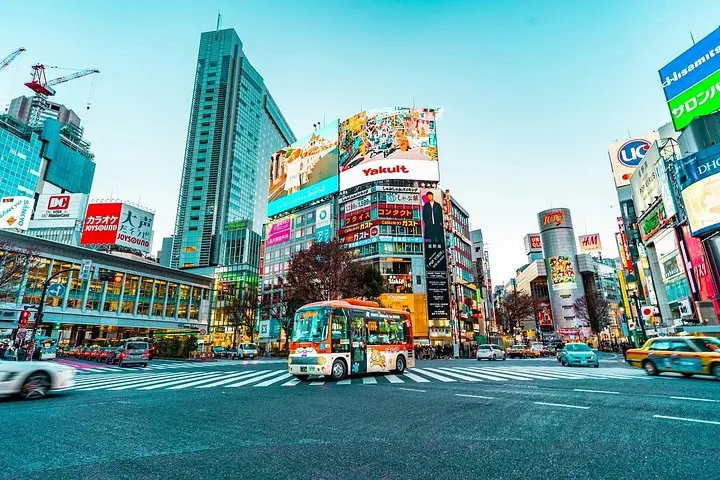
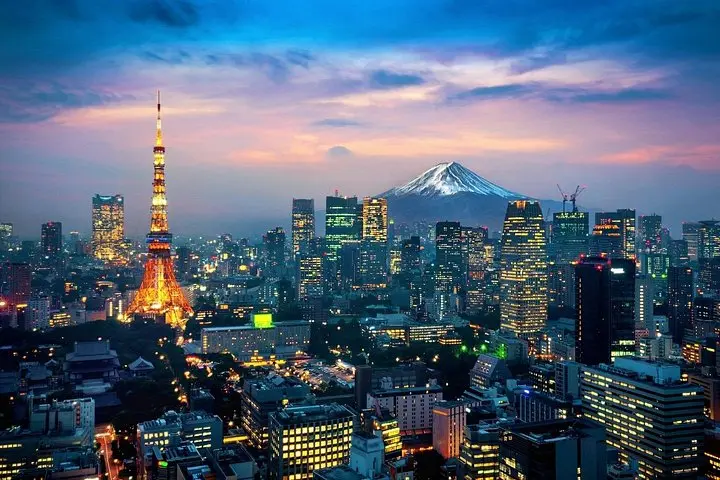
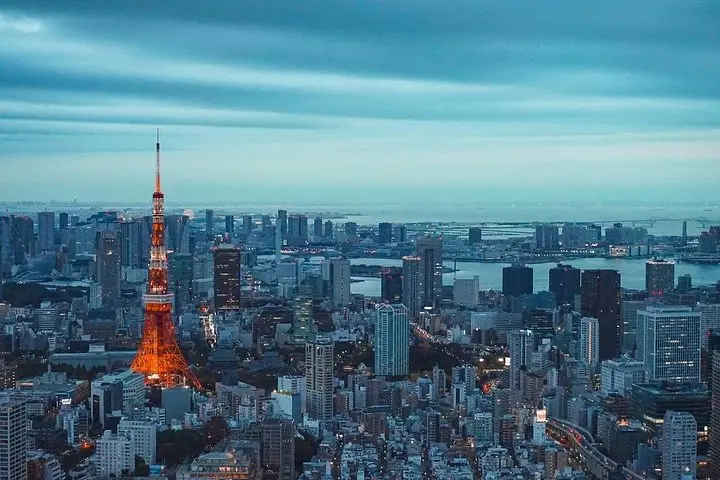
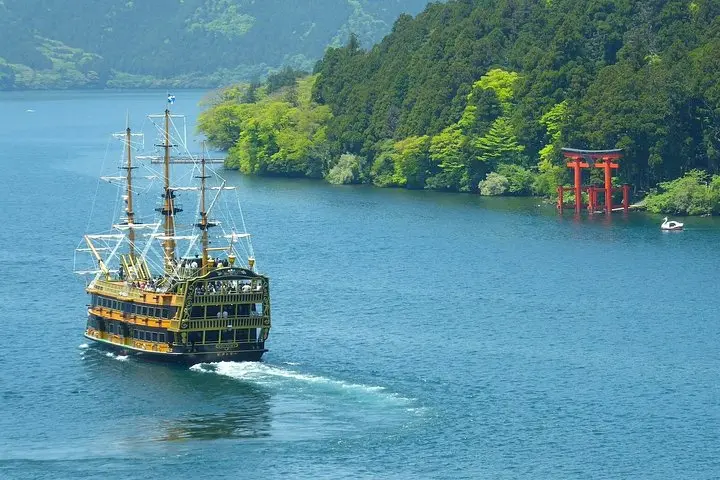
Morning light spills between glass towers as a private car eases away from Tokyo Station, the city's pulse giving way to quieter roads toward Hakone. Travelers move from neon intersections and Shinto gates to the cool, volcanic air around Ashi Lake, where Mount Fuji keeps watch like a patient guardian.
Verified experiences and guided adventures in the surrounding area.
Operated by Firebird Tours · Tokyo, Tokyo
Morning light spills between glass towers as a private car eases away from Tokyo Station, the city's pulse giving way to quieter roads toward Hakone. Travelers move from neon intersections and Shinto gates to the cool, volcanic air around Ashi Lake, where Mount Fuji keeps watch like a patient guardian.
This itinerary threads Japan's major chapters: Tokyo's modern imperial seat and dense neighborhoods born from postwar reinvention; Hakone's volcanic caldera and hot-spring culture shaped by past eruptions; Kyoto's courtly temples, Shinto processions and the layered history of the samurai; and Osaka's mercantile energy—finalized by a reflective stop at Hiroshima Peace Memorial.
Geology touches the trip: Hakone sits in a volcanic complex whose caldera created Ashi Lake and sculpted the surrounding onsen; Kyoto occupies an alluvial basin that preserved its medieval urban fabric. Cultural rhythms vary by place—tea ceremony formality in Kyoto, ritual reverence at Fushimi Inari, convivial street-food culture in Osaka.
Practical guidance: plan early-morning temple visits to avoid crowds, reserve shinkansen seats and keep a nimble daypack. Pack a light rain shell and good walking shoes—paved streets and shrine trails reward comfortable partners. Carry some cash (many small shops are cash-first) and a compact charger; phone photos of observation decks and torii gates fill up storage fast.
For travelers who want structure with flexibility, this private tour delivers curated logistics and room to wander—expect brisk urban walking, short hikes among torii and moments of quiet at shrines and on lake shores.
Yes—it's designed as a private, guided introduction covering transport, major sites and cultural orientation while leaving free time each evening.
Expect several hours of walking daily—city streets, temple grounds and short shrine trails; most routes are moderate and on paved or well-maintained paths.
Breakfast is included on most days and centrally located hotels and one ryokan stay in Hakone are provided; confirm specific meal details with the operator.
Carry yen for small vendors and shrine donations; major hotels and many restaurants accept cards but rural vendors and small eateries may not.
Firebird Tours operates guided outdoor trips and adventures with an emphasis on safety, stewardship, and memorable experiences.
Morning light spills between glass towers as a private car eases away from Tokyo Station, the city's pulse giving way to quieter roads toward Hakone. Travelers move from neon intersections and Shinto gates to the cool, volcanic air around Ashi Lake, where Mount Fuji keeps watch like a patient guardian.
Morning light spills between glass towers as a private car eases away from Tokyo Station, the city's pulse giving way to quieter roads toward Hakone. Travelers move from neon intersections and Shinto gates to the cool, volcanic air around Ashi Lake, where Mount Fuji keeps watch like a patient guardian.
This itinerary threads Japan's major chapters: Tokyo's modern imperial seat and dense neighborhoods born from postwar reinvention; Hakone's volcanic caldera and hot-spring culture shaped by past eruptions; Kyoto's courtly temples, Shinto processions and the layered history of the samurai; and Osaka's mercantile energy—finalized by a reflective stop at Hiroshima Peace Memorial.
Geology touches the trip: Hakone sits in a volcanic complex whose caldera created Ashi Lake and sculpted the surrounding onsen; Kyoto occupies an alluvial basin that preserved its medieval urban fabric. Cultural rhythms vary by place—tea ceremony formality in Kyoto, ritual reverence at Fushimi Inari, convivial street-food culture in Osaka.
Practical guidance: plan early-morning temple visits to avoid crowds, reserve shinkansen seats and keep a nimble daypack. Pack a light rain shell and good walking shoes—paved streets and shrine trails reward comfortable partners. Carry some cash (many small shops are cash-first) and a compact charger; phone photos of observation decks and torii gates fill up storage fast.
For travelers who want structure with flexibility, this private tour delivers curated logistics and room to wander—expect brisk urban walking, short hikes among torii and moments of quiet at shrines and on lake shores.