THE ADVENTURE COLLECTIVE® · Independent discovery and booking for outdoor travel

Ten days across Kenya’s most iconic reserves—Samburu to Amboseli—offers concentrated opportunities to see the Big Five and varied Rift Valley landscapes. Early starts, long drives, and expert guides create the best chance for memorable wildlife encounters.
Ten days across Kenya’s most iconic reserves—Samburu to Amboseli—offers concentrated opportunities to see the Big Five and varied Rift Valley landscapes. Early starts, long drives, and expert guides create the best chance for memorable wildlife encounters.
Dawn pours gold over the acacia-dotted plains as your vehicle threads a ribbon of dirt toward the Masai Mara. Dust lifts in slow columns, zebras lift their heads, and the guide's binoculars narrow the world to a patch of movement—this is the rhythm of a Kenyan safari: long mornings, patient watching, sudden motion.
Verified experiences and guided adventures in the surrounding area.
Operated by Gracepatt Ecotours Kenya · Nairobi, Nairobi County
Dawn pours gold over the acacia-dotted plains as your vehicle threads a ribbon of dirt toward the Masai Mara. Dust lifts in slow columns, zebras lift their heads, and the guide's binoculars narrow the world to a patch of movement—this is the rhythm of a Kenyan safari: long mornings, patient watching, sudden motion.
The route of this private 10-day circuit stitches together distinct ecological chapters: the semi-arid scrub of Samburu, the alkaline shores and flamingo-splashed flats of Lake Nakuru, the riverine woodlands of Naivasha and the wide, predator-rich grasslands of the Masai Mara, finishing beneath Amboseli's clear views of Kilimanjaro. Geology here is dominated by the East African Rift—cracked escarpments, crater lakes and volcanic soils that shape habitats and migration routes. Culturally, the safari intersects with Maasai towns and roadside markets where beadwork and storytelling remain central to daily life.
Expect game drives at dawn and dusk when predators are most active, picnic lunches with Rift Valley views, and lodge stays that range from rustic comfort to full-service camps. Early mornings are cool; mid-days can be intensely hot and dusty. Guides read the land—wind, spoor, and waterholes—and position you for sightings rather than staging encounters.
Practical advice: travel light, bring strong camera gear with long lens options, be ready for bumpy roads and early wake-ups, and factor in time to acclimate in Nairobi before heading out. Respect park rules, give wildlife space, and carry layered clothing, sun protection, and a reusable water bottle for long game-drive hours.
Dry seasons (June–October and January–February) concentrate animals around water sources, improving sightings; wildebeest migration in Masai Mara peaks July–October.
Check current entry visa rules for your nationality and consult a travel clinic about routine vaccines and malaria prophylaxis before travel.
The safari is not strenuous but involves early mornings, bumpy roads, and brief walks; inform the operator of mobility needs for accommodations.
Tipping is customary for guides, drivers, and lodge staff; bringing small notes to tip after exceptional service is standard practice.
Gracepatt Ecotours Kenya operates guided outdoor trips and adventures with an emphasis on safety, stewardship, and memorable experiences.
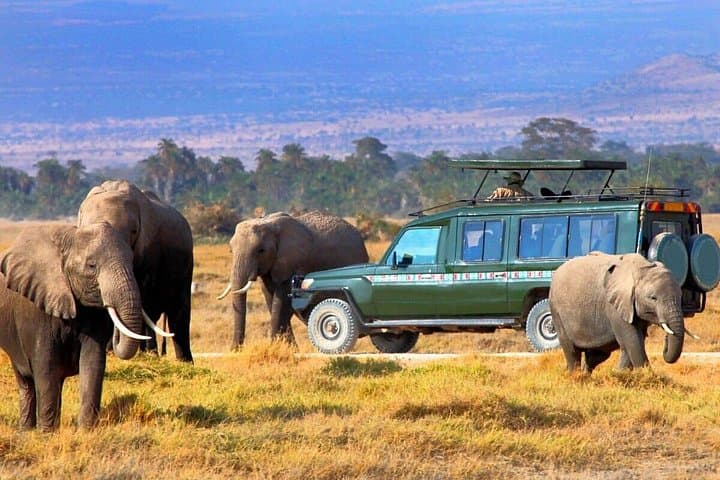
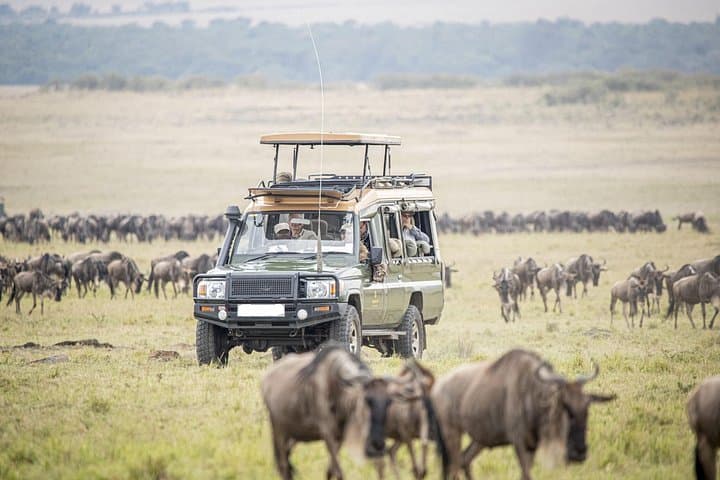
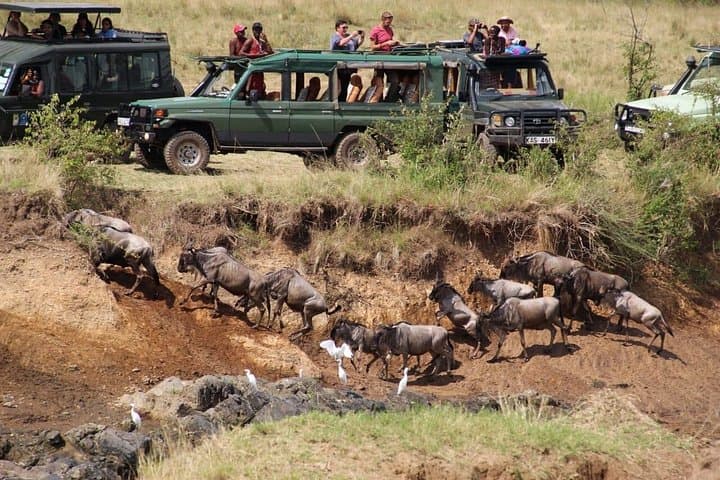
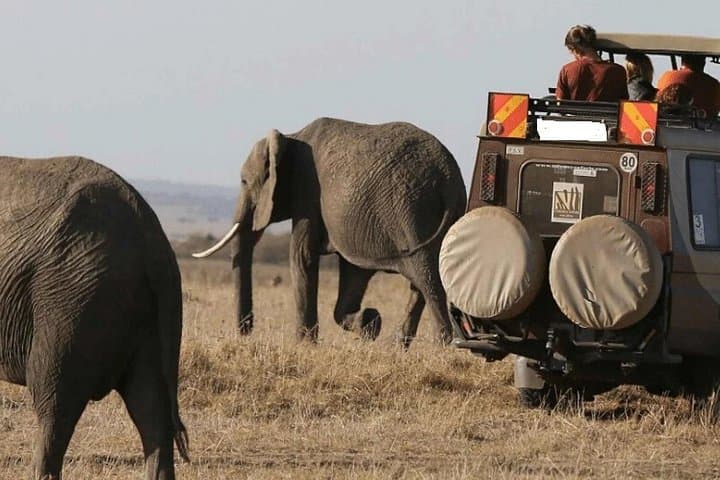
Dawn pours gold over the acacia-dotted plains as your vehicle threads a ribbon of dirt toward the Masai Mara. Dust lifts in slow columns, zebras lift their heads, and the guide's binoculars narrow the world to a patch of movement—this is the rhythm of a Kenyan safari: long mornings, patient watching, sudden motion.
Dawn pours gold over the acacia-dotted plains as your vehicle threads a ribbon of dirt toward the Masai Mara. Dust lifts in slow columns, zebras lift their heads, and the guide's binoculars narrow the world to a patch of movement—this is the rhythm of a Kenyan safari: long mornings, patient watching, sudden motion.
The route of this private 10-day circuit stitches together distinct ecological chapters: the semi-arid scrub of Samburu, the alkaline shores and flamingo-splashed flats of Lake Nakuru, the riverine woodlands of Naivasha and the wide, predator-rich grasslands of the Masai Mara, finishing beneath Amboseli's clear views of Kilimanjaro. Geology here is dominated by the East African Rift—cracked escarpments, crater lakes and volcanic soils that shape habitats and migration routes. Culturally, the safari intersects with Maasai towns and roadside markets where beadwork and storytelling remain central to daily life.
Expect game drives at dawn and dusk when predators are most active, picnic lunches with Rift Valley views, and lodge stays that range from rustic comfort to full-service camps. Early mornings are cool; mid-days can be intensely hot and dusty. Guides read the land—wind, spoor, and waterholes—and position you for sightings rather than staging encounters.
Practical advice: travel light, bring strong camera gear with long lens options, be ready for bumpy roads and early wake-ups, and factor in time to acclimate in Nairobi before heading out. Respect park rules, give wildlife space, and carry layered clothing, sun protection, and a reusable water bottle for long game-drive hours.