THE ADVENTURE COLLECTIVE® · Independent discovery and booking for outdoor travel

A 10-day private circuit from Tangier through Morocco’s imperial cities to the dunes of Erg Chebbi. Expect medina walks, cedar forests, Atlas passes, camel treks and an overnight bivouac under desert stars.
A 10-day private circuit from Tangier through Morocco’s imperial cities to the dunes of Erg Chebbi. Expect medina walks, cedar forests, Atlas passes, camel treks and an overnight bivouac under desert stars.
You step out of the van at dawn and the road ahead is a shifting sequence of medinas, cedar forests and ochre desert—Morocco unfurls in layers. The city scents change: sea salt and diesel in Tangier, orange blossom and spices in Fes, then the dry, mineral air of the Sahara where tall dunes dare you to climb them. Nights vary just as much, from riads in Marrakech to star-lit burlap in a bivouac.
Verified experiences and guided adventures in the surrounding area.
Operated by Camel Safaries - Day Tours · Marrakech, Marrakech-Safi
You step out of the van at dawn and the road ahead is a shifting sequence of medinas, cedar forests and ochre desert—Morocco unfurls in layers. The city scents change: sea salt and diesel in Tangier, orange blossom and spices in Fes, then the dry, mineral air of the Sahara where tall dunes dare you to climb them. Nights vary just as much, from riads in Marrakech to star-lit burlap in a bivouac.
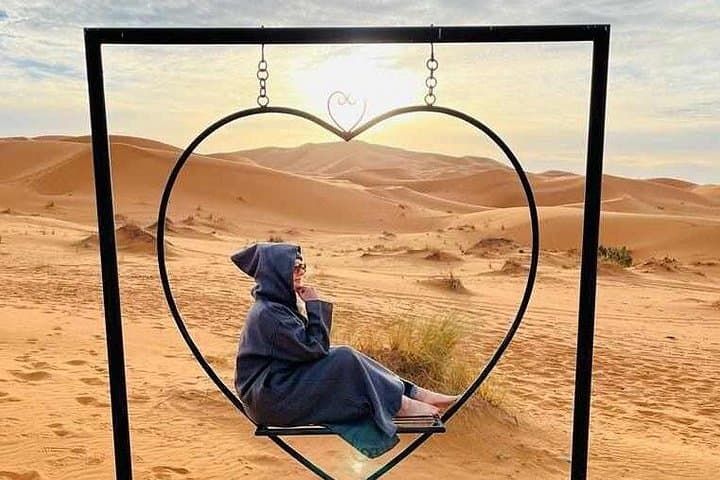
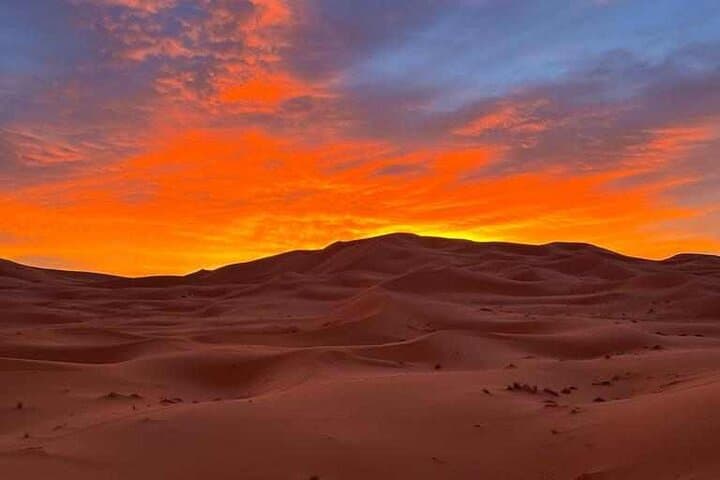
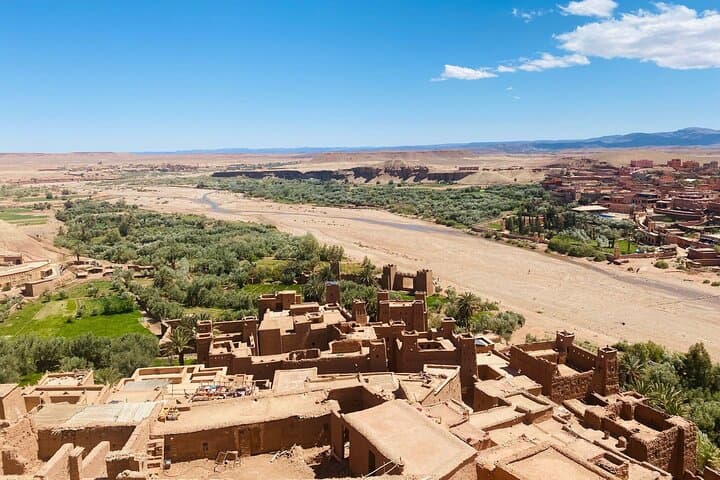
The route threads imperial cities, Roman ruins at Volubilis and kasbahs of the High Atlas. Geology is obvious: the Middle Atlas folds into cedar forests and river valleys; southward, the land thins into plateaus of red earth before giving way to the wind-sculpted Erg Chebbi dunes. Berber culture remains visible—women in indigo and men in djellabas, olive groves irrigated by ancient khettara channels—and local guides open the medina lanes and market bargaining rhythms.
Practically, expect long driving days balanced with walking tours, a 4x4 into Merzouga, camel treks and one night in a desert bivouac. Bring layers for temperature swings, sturdy shoes for cobbled medinas and dune sand, and a small daypack for water and camera. Time mornings for medina exploration and late afternoons for desert light; afternoon siestas are common. Cash is essential for souks and small villages; ATMs work in big cities but not everywhere. Respect local customs—modest dress in rural and religious sites—and let local guides arrange homestays or village visits to ensure respectful interactions. This tour is a compact, practical path through Morocco’s contrasts: city detail, mountain passes and dunes that insist you slow down and pay attention.
The tour mixes driving with short walks, some dune climbs and a camel trek; basic mobility is required but it’s suitable for most reasonably fit travelers.
Most breakfasts and dinners are included as part of the itinerary; accommodations range from riads in cities to a desert bivouac and kasbah hotels.
Bring warm sleep layers, a headlamp, toiletries and any prescription medications; the bivouac provides basic bedding and meals.
Local operators can accommodate common dietary restrictions if notified at booking—use the special requirements field to list allergies or preferences.
Camel Safaries - Day Tours operates guided outdoor trips and adventures with an emphasis on safety, stewardship, and memorable experiences.

You step out of the van at dawn and the road ahead is a shifting sequence of medinas, cedar forests and ochre desert—Morocco unfurls in layers. The city scents change: sea salt and diesel in Tangier, orange blossom and spices in Fes, then the dry, mineral air of the Sahara where tall dunes dare you to climb them. Nights vary just as much, from riads in Marrakech to star-lit burlap in a bivouac.
You step out of the van at dawn and the road ahead is a shifting sequence of medinas, cedar forests and ochre desert—Morocco unfurls in layers. The city scents change: sea salt and diesel in Tangier, orange blossom and spices in Fes, then the dry, mineral air of the Sahara where tall dunes dare you to climb them. Nights vary just as much, from riads in Marrakech to star-lit burlap in a bivouac.
The route threads imperial cities, Roman ruins at Volubilis and kasbahs of the High Atlas. Geology is obvious: the Middle Atlas folds into cedar forests and river valleys; southward, the land thins into plateaus of red earth before giving way to the wind-sculpted Erg Chebbi dunes. Berber culture remains visible—women in indigo and men in djellabas, olive groves irrigated by ancient khettara channels—and local guides open the medina lanes and market bargaining rhythms.
Practically, expect long driving days balanced with walking tours, a 4x4 into Merzouga, camel treks and one night in a desert bivouac. Bring layers for temperature swings, sturdy shoes for cobbled medinas and dune sand, and a small daypack for water and camera. Time mornings for medina exploration and late afternoons for desert light; afternoon siestas are common. Cash is essential for souks and small villages; ATMs work in big cities but not everywhere. Respect local customs—modest dress in rural and religious sites—and let local guides arrange homestays or village visits to ensure respectful interactions. This tour is a compact, practical path through Morocco’s contrasts: city detail, mountain passes and dunes that insist you slow down and pay attention.