THE ADVENTURE COLLECTIVE® · Independent discovery and booking for outdoor travel

A private, 10‑day circuit of the Peloponnese that moves from Mycenaean palaces to Byzantine citadels and seaside towns. Expect short walks through major sites, coastal lunches and scenic drives between iconic archaeological and natural highlights.
A private, 10‑day circuit of the Peloponnese that moves from Mycenaean palaces to Byzantine citadels and seaside towns. Expect short walks through major sites, coastal lunches and scenic drives between iconic archaeological and natural highlights.
You step out of the car onto a sun-warmed quay in Nafplio and the sea pulls at you with a brisk, briny insistence. Over the next ten days the Peloponnese will do the same: push you toward cliff-top fortresses, through olive-silvered hills and into caverns where underground rivers still carve the rock.
Verified experiences and guided adventures in the surrounding area.
Operated by Olive Sea Travel · Nafplio, Peloponnese
You step out of the car onto a sun-warmed quay in Nafplio and the sea pulls at you with a brisk, briny insistence. Over the next ten days the Peloponnese will do the same: push you toward cliff-top fortresses, through olive-silvered hills and into caverns where underground rivers still carve the rock.
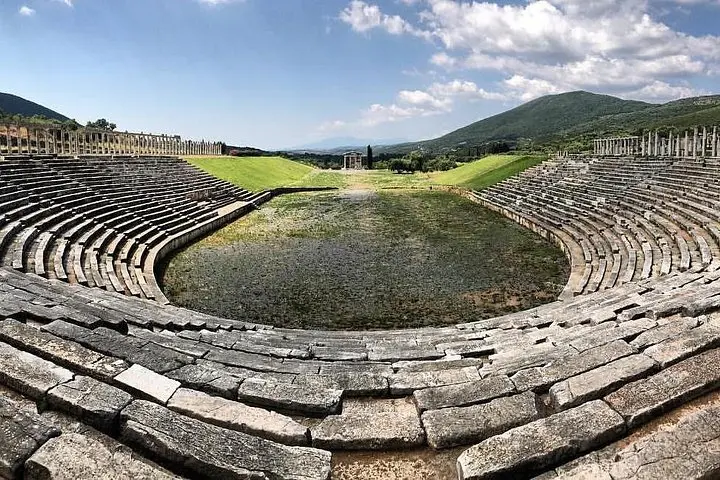
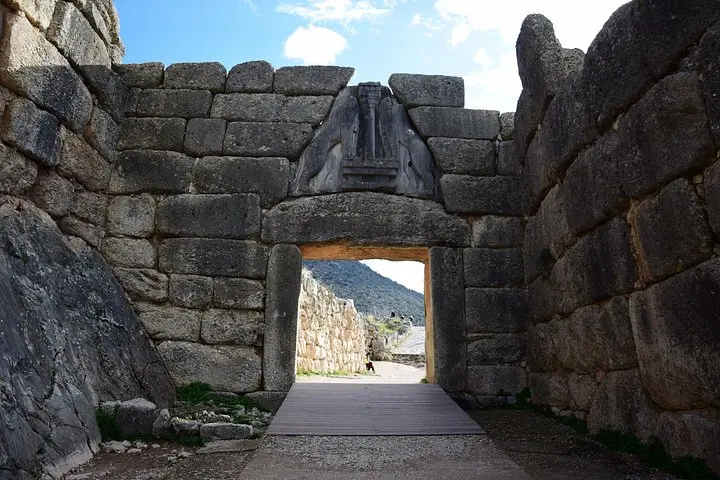
This private circuit threads the region’s long arc of history — Bronze Age citadels at Mycenae, the athletic sweep of Olympia’s stadium, Delphi’s oracle perch — and layers on Byzantine citadels, Venetian harbors and modern fishing towns. Geology here is blunt and readable: limestone karst in the Mani, folded schist around Sparta and the deep, narrow trench of the Corinth Canal that split the peninsula in the 19th century. Local culture remains centred on olive oil, wine from Nemea and coastal tavernas where recipes are closely held family lines.
Expect a mix of short walking explorations and drives between sites; many stops include accessible ruins and small museums rather than long hikes. Sturdy shoes and sun protection keep you comfortable on uneven stones; early mornings or late afternoons offer the best light for photos and cooler temperatures. Bring a lightweight daypack, refillable water bottle and a few euros for local snacks and entry fees.
Practicalities: the tour typically operates from Athens as a start/end point, includes private transport and bottled water, and can accommodate dietary or mobility needs if arranged in advance. Pace yourself — the Peloponnese rewards patience and curiosity as much as speed.
Most departures start and finish in Athens with private transfers into the Peloponnese; specific pickup points are confirmed at booking.
The itinerary notes admissions as ‘NO’ for many stops; confirm which museum or archaeological fees are covered when you book.
Transport and many viewpoints are accessible, but some ancient sites include stairs and uneven paths; notify operators of mobility needs so adjustments can be made.
Yes — it’s a private tour and the operator can modify stops, meal preferences and pacing if requested in advance.
Olive Sea Travel operates guided outdoor trips and adventures with an emphasis on safety, stewardship, and memorable experiences.
You step out of the car onto a sun-warmed quay in Nafplio and the sea pulls at you with a brisk, briny insistence. Over the next ten days the Peloponnese will do the same: push you toward cliff-top fortresses, through olive-silvered hills and into caverns where underground rivers still carve the rock.
You step out of the car onto a sun-warmed quay in Nafplio and the sea pulls at you with a brisk, briny insistence. Over the next ten days the Peloponnese will do the same: push you toward cliff-top fortresses, through olive-silvered hills and into caverns where underground rivers still carve the rock.
This private circuit threads the region’s long arc of history — Bronze Age citadels at Mycenae, the athletic sweep of Olympia’s stadium, Delphi’s oracle perch — and layers on Byzantine citadels, Venetian harbors and modern fishing towns. Geology here is blunt and readable: limestone karst in the Mani, folded schist around Sparta and the deep, narrow trench of the Corinth Canal that split the peninsula in the 19th century. Local culture remains centred on olive oil, wine from Nemea and coastal tavernas where recipes are closely held family lines.
Expect a mix of short walking explorations and drives between sites; many stops include accessible ruins and small museums rather than long hikes. Sturdy shoes and sun protection keep you comfortable on uneven stones; early mornings or late afternoons offer the best light for photos and cooler temperatures. Bring a lightweight daypack, refillable water bottle and a few euros for local snacks and entry fees.
Practicalities: the tour typically operates from Athens as a start/end point, includes private transport and bottled water, and can accommodate dietary or mobility needs if arranged in advance. Pace yourself — the Peloponnese rewards patience and curiosity as much as speed.