THE ADVENTURE COLLECTIVE® · Independent discovery and booking for outdoor travel

A compact 10‑day private tour that threads Turkey’s most arresting sites—Göbekli Tepe, Mt. Nemrut, Cappadocia and Ephesus—into a single, well‑paced loop. Expect sunrise rituals, subterranean cities and Roman marble streets with all transport and most logistics handled for you.
A compact 10‑day private tour that threads Turkey’s most arresting sites—Göbekli Tepe, Mt. Nemrut, Cappadocia and Ephesus—into a single, well‑paced loop. Expect sunrise rituals, subterranean cities and Roman marble streets with all transport and most logistics handled for you.
You step off the minivan before dawn into an Anatolian cold that sharpens the air and the mind. Around you, colossal stone heads on Mt. Nemrut sit like weathered gods, their features tipped in gold by the rising sun. Elsewhere on this 10‑day private loop — in the cavernous silence under Cappadocia’s fairy chimneys, in the sun-baked marble of Ephesus, and among the 12,000‑year‑old circles of Göbekli Tepe — Turkey announces itself as a landscape of layered time.
Verified experiences and guided adventures in the surrounding area.
Operated by Private & Small Group Ephesus & Istanbul & Turkey Tours · Istanbul, Istanbul
You step off the minivan before dawn into an Anatolian cold that sharpens the air and the mind. Around you, colossal stone heads on Mt. Nemrut sit like weathered gods, their features tipped in gold by the rising sun. Elsewhere on this 10‑day private loop — in the cavernous silence under Cappadocia’s fairy chimneys, in the sun-baked marble of Ephesus, and among the 12,000‑year‑old circles of Göbekli Tepe — Turkey announces itself as a landscape of layered time.
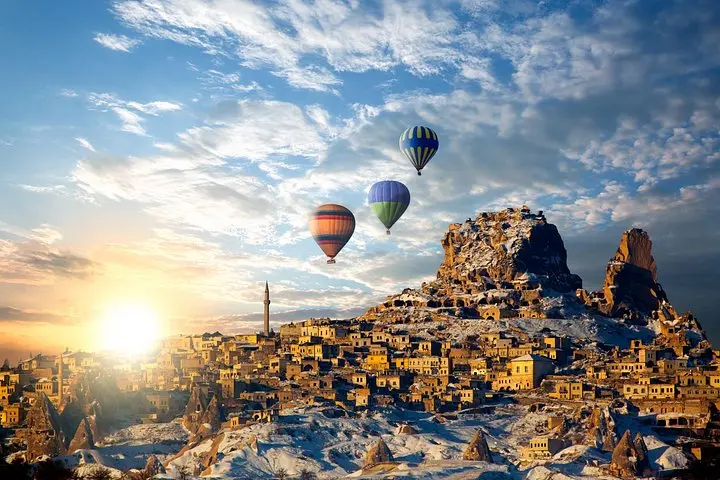
This itinerary strings together some of the country's most consequential sites. Göbekli Tepe, older than pottery and writing, rewrites what we thought about the origins of ritual and settlement. Mt. Nemrut’s Hellenistic funerary terraces reflect the Roman-era mash-up of Persian and Greek kingship and cosmology. Cappadocia’s volcanic tuff has been carved for millennia into homes, churches and underground refuges; its geology produces the region’s otherworldly silhouettes. And Ephesus preserves an urban Roman world—library facades, marble streets and a monumental theatre still holding echoes of an ancient crowd.
Travel here is as much about timing and light as it is about monuments. Hot-air balloons thread the dawn over Göreme’s chimneys; sunrise on Nemrut is a ritual of its own, with temperatures that demand layers and headlamps. Towns like Şanlıurfa (Urfa) and Gaziantep provide cultural contrast: Urfa’s markets brim with local breads and coffee, while Gaziantep stakes claim as Turkey’s culinary capital with pistachio baklava and peppered stews.
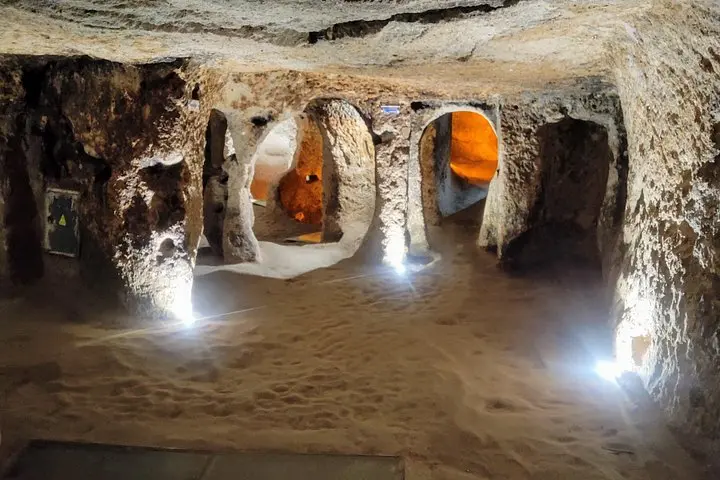
Practicalities are tidy: domestic flights connect Istanbul, Cappadocia, Gaziantep and Izmir to compress travel days, hotels are a mix of cave, boutique and 4‑star comfort, and a private guide handles tickets and logistics so your days run efficiently. Expect a moderate level of walking—stairs at Nemrut, uneven cobbles at Ephesus, and descending into Kaymaklı’s underground galleries—so pack sturdy shoes and a lightweight daypack.
To get the best photographs and avoid crowds, plan for sunrise at Nemrut and early morning in Cappadocia; mid‑day is better for the mosaics in Gaziantep’s museums and the cool shade of Ephesus’ inland ruins. Respect fragile sites: stay on marked paths at Göbekli Tepe and avoid touching frescoes. Bring copies of travel documents, a phone with local SIM or roaming, and a small first‑aid kit—rural transfers can be long and services limited between major centers.
This private circuit is ideal for travelers who want a concentrated, hassle-free survey of Turkey’s deep past and dramatic landscapes—where geology, archaeology and living culture collide in one compact, relentlessly engaging journey.
Moderate: you’ll do repeated short walks, stairs and some uneven ground; no technical climbing but a reasonable fitness level is recommended.
Yes, but hours and accessibility can vary by season; spring and autumn offer milder conditions and clearer access.
No—balloon flights are optional extras booked locally or in advance; they run at sunrise and are weather dependent.
Yes—small towns and markets often prefer cash; cards are accepted at larger hotels and restaurants but carry lira for tips and small purchases.
Typically around 03:30 departure to reach the summit for sunrise; expect a short hike or transfer depending on vehicle access.
Yes—private tours and provided meals can be adjusted with advance notice; indicate restrictions when booking.
Private & Small Group Ephesus & Istanbul & Turkey Tours operates guided outdoor trips and adventures with an emphasis on safety, stewardship, and memorable experiences.
You step off the minivan before dawn into an Anatolian cold that sharpens the air and the mind. Around you, colossal stone heads on Mt. Nemrut sit like weathered gods, their features tipped in gold by the rising sun. Elsewhere on this 10‑day private loop — in the cavernous silence under Cappadocia’s fairy chimneys, in the sun-baked marble of Ephesus, and among the 12,000‑year‑old circles of Göbekli Tepe — Turkey announces itself as a landscape of layered time.
You step off the minivan before dawn into an Anatolian cold that sharpens the air and the mind. Around you, colossal stone heads on Mt. Nemrut sit like weathered gods, their features tipped in gold by the rising sun. Elsewhere on this 10‑day private loop — in the cavernous silence under Cappadocia’s fairy chimneys, in the sun-baked marble of Ephesus, and among the 12,000‑year‑old circles of Göbekli Tepe — Turkey announces itself as a landscape of layered time.
This itinerary strings together some of the country's most consequential sites. Göbekli Tepe, older than pottery and writing, rewrites what we thought about the origins of ritual and settlement. Mt. Nemrut’s Hellenistic funerary terraces reflect the Roman-era mash-up of Persian and Greek kingship and cosmology. Cappadocia’s volcanic tuff has been carved for millennia into homes, churches and underground refuges; its geology produces the region’s otherworldly silhouettes. And Ephesus preserves an urban Roman world—library facades, marble streets and a monumental theatre still holding echoes of an ancient crowd.
Travel here is as much about timing and light as it is about monuments. Hot-air balloons thread the dawn over Göreme’s chimneys; sunrise on Nemrut is a ritual of its own, with temperatures that demand layers and headlamps. Towns like Şanlıurfa (Urfa) and Gaziantep provide cultural contrast: Urfa’s markets brim with local breads and coffee, while Gaziantep stakes claim as Turkey’s culinary capital with pistachio baklava and peppered stews.
Practicalities are tidy: domestic flights connect Istanbul, Cappadocia, Gaziantep and Izmir to compress travel days, hotels are a mix of cave, boutique and 4‑star comfort, and a private guide handles tickets and logistics so your days run efficiently. Expect a moderate level of walking—stairs at Nemrut, uneven cobbles at Ephesus, and descending into Kaymaklı’s underground galleries—so pack sturdy shoes and a lightweight daypack.
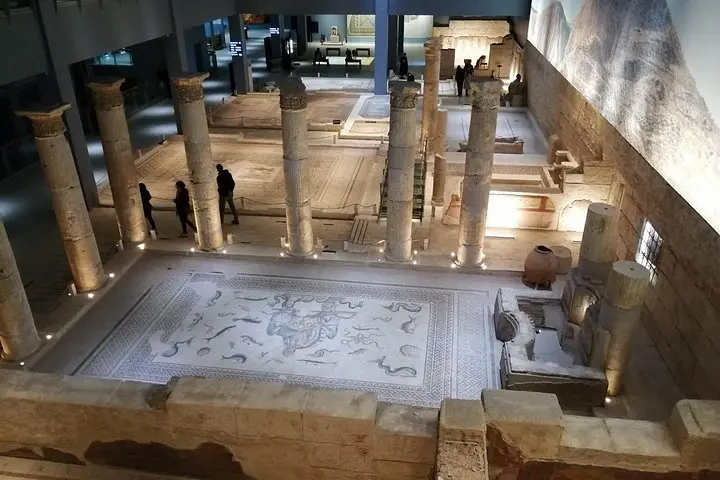
To get the best photographs and avoid crowds, plan for sunrise at Nemrut and early morning in Cappadocia; mid‑day is better for the mosaics in Gaziantep’s museums and the cool shade of Ephesus’ inland ruins. Respect fragile sites: stay on marked paths at Göbekli Tepe and avoid touching frescoes. Bring copies of travel documents, a phone with local SIM or roaming, and a small first‑aid kit—rural transfers can be long and services limited between major centers.
This private circuit is ideal for travelers who want a concentrated, hassle-free survey of Turkey’s deep past and dramatic landscapes—where geology, archaeology and living culture collide in one compact, relentlessly engaging journey.