THE ADVENTURE COLLECTIVE® · Independent discovery and booking for outdoor travel

A private, customizable 10-day road-and-rail loop through Sri Lanka that stitches together whale watching, tea-country hikes, Yala safaris, and the cultural treasures of Sigiriya and Jaffna. The Sakaram Chronicles balances comfort and local immersion, with private transfers, curated stays, and expert guides.
A private, customizable 10-day road-and-rail loop through Sri Lanka that stitches together whale watching, tea-country hikes, Yala safaris, and the cultural treasures of Sigiriya and Jaffna. The Sakaram Chronicles balances comfort and local immersion, with private transfers, curated stays, and expert guides.
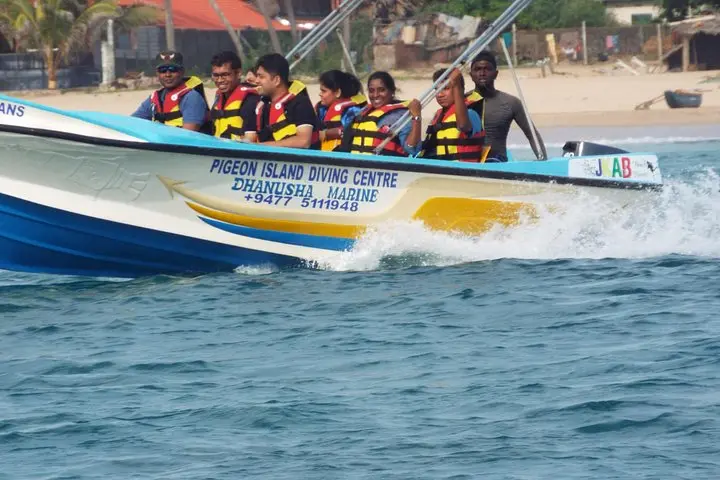
The first morning in Colombo arrives humid and bright; your driver waits with a sign and an air-conditioned van, the city already humming. Within hours you’ll trade traffic islands for a coastline that seems to lean toward the Indian Ocean—fishermen mending nets in Negombo, golden sand in Mirissa that flattens into horizon, and the sea daring you to look for a whale’s blow. That is the rhythm of the Sakaram Chronicles: a fast-moving, carefully staged ten-day loop across Sri Lanka’s southern coast, hill country, national parks, and the remote north.
Verified experiences and guided adventures in the surrounding area.
Operated by Sakaram Tours · Colombo, Western Province
The first morning in Colombo arrives humid and bright; your driver waits with a sign and an air-conditioned van, the city already humming. Within hours you’ll trade traffic islands for a coastline that seems to lean toward the Indian Ocean—fishermen mending nets in Negombo, golden sand in Mirissa that flattens into horizon, and the sea daring you to look for a whale’s blow. That is the rhythm of the Sakaram Chronicles: a fast-moving, carefully staged ten-day loop across Sri Lanka’s southern coast, hill country, national parks, and the remote north.
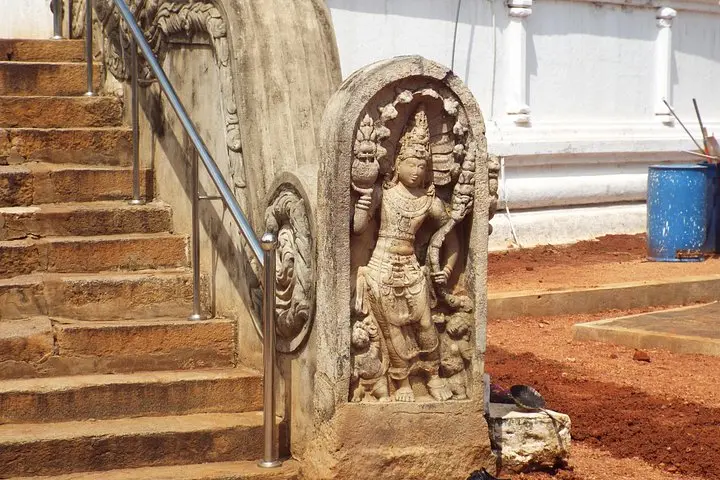
The itinerary reads like a compact primer on the island’s layered history. In the south, Mirissa’s whaling history and fishing traditions meet colonial traces of Portuguese, Dutch and British rule. The hill country—Nuwara Eliya and Ella—sits on uplifted Precambrian rocks that host the island’s tea estates; British planters carved terraces into the slopes in the 19th century, producing the famous Ceylon tea you’ll taste on-site. The Cultural Triangle—Sigiriya, Dambulla, Polonnaruwa—brings you face-to-face with ancient Buddhist kingdoms and rock-cut architecture, while the northern leg through Jaffna and Mannar points to Tamil culture, Portuguese forts, and a coastline shaped by monsoon currents.
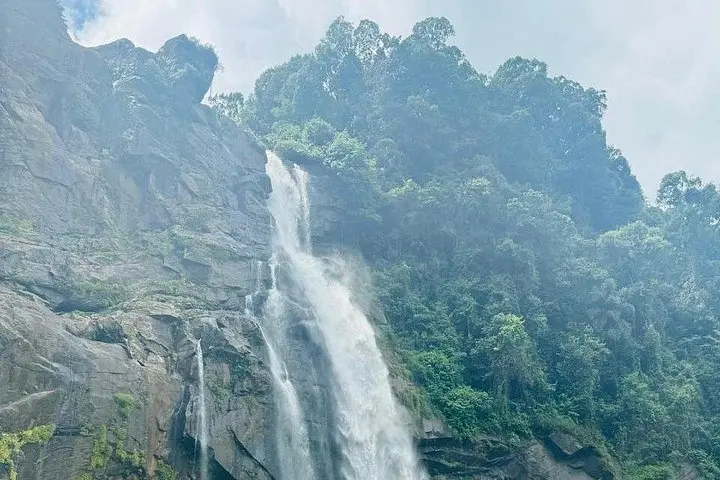
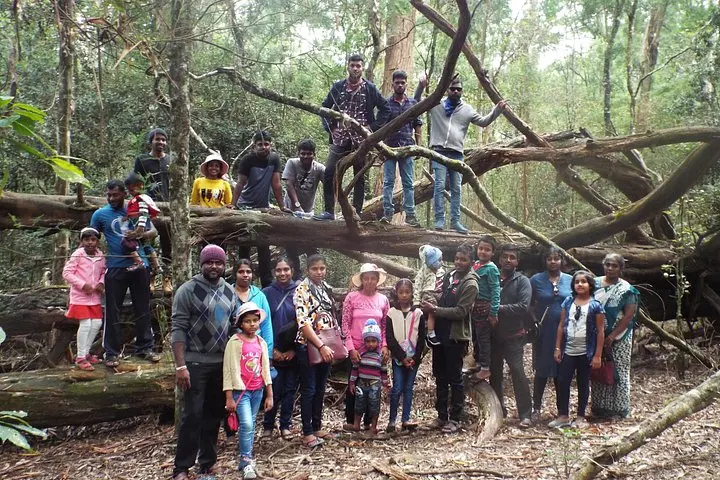
Geology and ecology are front and center. Yala National Park’s dry-zone scrub and rock outcrops support leopards and elephants; the hill country’s montane forests are cooler and often mist-swept, at elevations near 1,800 meters in Nuwara Eliya. Offshore, Mirissa and Trincomalee sit on migratory routes for blue whales between March and May, with sightings possible through September.
Practical edge: the tour is private and customizable, designed for travelers who want structure without rigid schedules. Expect 3–5 hours of driving on several days—Colombo to Mirissa is roughly a 3–4 hour drive; Mirissa to Yala about 2–3 hours; Ella to Kandy by scenic rail can take 6–7 hours if you choose the train leg. Dress in layers for the hill country: nights are noticeably cooler. For wildlife safaris, mornings and late afternoons are best; bring binoculars, a telephoto lens, and patience.
Food is regional and varied—seafood and coconut curries on the coast, hearty lamprais and rice-and-curry inland, and tea tastings in the highlands. Respect sacred sites: remove shoes and cover shoulders at temples.
Logistics: pickups are offered in Colombo and Negombo areas; vehicles are air-conditioned and driven by professionals. The tour includes breakfasts, guides, and assistance—confirm any additional entrance fees for parks or UNESCO sites. For a stress-free trip, pack a light daypack, good walking shoes for uneven paths and steps (Sigiriya has steep metal stairways), and a small first-aid kit. Travel insurance that covers safari activities and domestic transfers is recommended.
The Sakaram Chronicles is less about a single summit or beach day and more about the island’s stitched contrasts—coastal blue, misted tea slopes, leopard-studded plains, and a northern archipelago that still feels raw. It moves quickly, but with local guides and private transport, it’s the efficient way to see Sri Lanka’s essentials without losing sight of the people and places that shape them.
Yes—vehicles and accommodations are family-friendly; infant seats are available, but long drives may be tiring for very young children.
November to April is generally dry on the southwest coast; whale season peaks March–May in the south and extends into September in parts of the east; Yala sightings are often better in the dry season.
Train travel can be arranged as part of the itinerary—confirm at booking if you want reserved seats on the popular scenic sections.
Yes—this private tour is explicitly customizable; discuss priorities with the operator to adjust pace and overnight stops.
Most visitors require an ETA/visa to enter Sri Lanka; check current entry and vaccination recommendations well before travel.
Some inclusions like breakfasts and transport are stated; park entrance fees and certain site donations are typically extra—confirm specifics before you travel.
Sakaram Tours operates guided outdoor trips and adventures with an emphasis on safety, stewardship, and memorable experiences.
The first morning in Colombo arrives humid and bright; your driver waits with a sign and an air-conditioned van, the city already humming. Within hours you’ll trade traffic islands for a coastline that seems to lean toward the Indian Ocean—fishermen mending nets in Negombo, golden sand in Mirissa that flattens into horizon, and the sea daring you to look for a whale’s blow. That is the rhythm of the Sakaram Chronicles: a fast-moving, carefully staged ten-day loop across Sri Lanka’s southern coast, hill country, national parks, and the remote north.
The first morning in Colombo arrives humid and bright; your driver waits with a sign and an air-conditioned van, the city already humming. Within hours you’ll trade traffic islands for a coastline that seems to lean toward the Indian Ocean—fishermen mending nets in Negombo, golden sand in Mirissa that flattens into horizon, and the sea daring you to look for a whale’s blow. That is the rhythm of the Sakaram Chronicles: a fast-moving, carefully staged ten-day loop across Sri Lanka’s southern coast, hill country, national parks, and the remote north.
The itinerary reads like a compact primer on the island’s layered history. In the south, Mirissa’s whaling history and fishing traditions meet colonial traces of Portuguese, Dutch and British rule. The hill country—Nuwara Eliya and Ella—sits on uplifted Precambrian rocks that host the island’s tea estates; British planters carved terraces into the slopes in the 19th century, producing the famous Ceylon tea you’ll taste on-site. The Cultural Triangle—Sigiriya, Dambulla, Polonnaruwa—brings you face-to-face with ancient Buddhist kingdoms and rock-cut architecture, while the northern leg through Jaffna and Mannar points to Tamil culture, Portuguese forts, and a coastline shaped by monsoon currents.
Geology and ecology are front and center. Yala National Park’s dry-zone scrub and rock outcrops support leopards and elephants; the hill country’s montane forests are cooler and often mist-swept, at elevations near 1,800 meters in Nuwara Eliya. Offshore, Mirissa and Trincomalee sit on migratory routes for blue whales between March and May, with sightings possible through September.
Practical edge: the tour is private and customizable, designed for travelers who want structure without rigid schedules. Expect 3–5 hours of driving on several days—Colombo to Mirissa is roughly a 3–4 hour drive; Mirissa to Yala about 2–3 hours; Ella to Kandy by scenic rail can take 6–7 hours if you choose the train leg. Dress in layers for the hill country: nights are noticeably cooler. For wildlife safaris, mornings and late afternoons are best; bring binoculars, a telephoto lens, and patience.
Food is regional and varied—seafood and coconut curries on the coast, hearty lamprais and rice-and-curry inland, and tea tastings in the highlands. Respect sacred sites: remove shoes and cover shoulders at temples.
Logistics: pickups are offered in Colombo and Negombo areas; vehicles are air-conditioned and driven by professionals. The tour includes breakfasts, guides, and assistance—confirm any additional entrance fees for parks or UNESCO sites. For a stress-free trip, pack a light daypack, good walking shoes for uneven paths and steps (Sigiriya has steep metal stairways), and a small first-aid kit. Travel insurance that covers safari activities and domestic transfers is recommended.
The Sakaram Chronicles is less about a single summit or beach day and more about the island’s stitched contrasts—coastal blue, misted tea slopes, leopard-studded plains, and a northern archipelago that still feels raw. It moves quickly, but with local guides and private transport, it’s the efficient way to see Sri Lanka’s essentials without losing sight of the people and places that shape them.