THE ADVENTURE COLLECTIVE® · Independent discovery and booking for outdoor travel

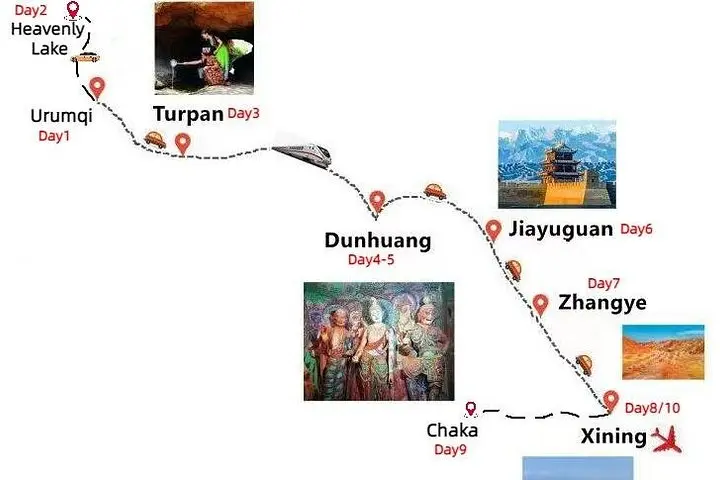
Traverse ten days of the historic Silk Road from Urumqi to Chaka, passing Heavenly Lake, Mogao Grottoes, Jiayuguan, Zhangye Danxia and Qinghai Lake. This guided group tour combines cultural sites, desert adventures and dramatic geology with private transfers and high-speed rail segments.
Traverse ten days of the historic Silk Road from Urumqi to Chaka, passing Heavenly Lake, Mogao Grottoes, Jiayuguan, Zhangye Danxia and Qinghai Lake. This guided group tour combines cultural sites, desert adventures and dramatic geology with private transfers and high-speed rail segments.
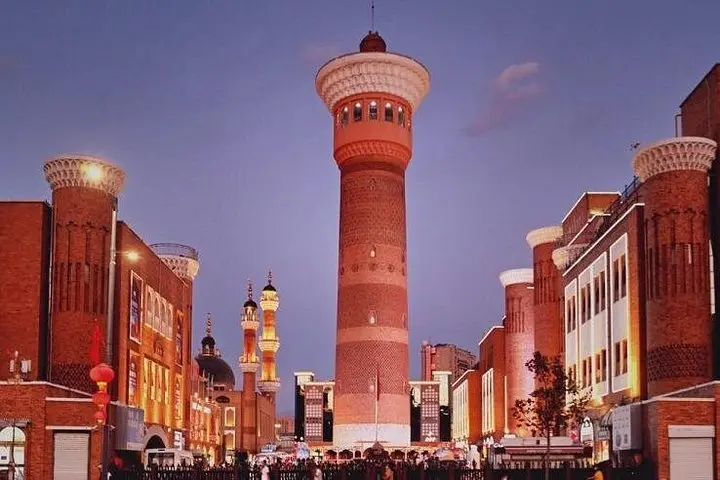
First light over Urumqi feels like a starting bell: the Tianshan range chisels the horizon while the city hums with markets and engine heat. On this ten-day loop you step from alpine lakes into red-rock ridges, ride high-speed rails across deserts, and trace the same corridors that caravans once used to move silk, salt and prayer.
Verified experiences and guided adventures in the surrounding area.
Operated by China Silk Road Travel · Urumqi, Xinjiang Uyghur Autonomous Region
First light over Urumqi feels like a starting bell: the Tianshan range chisels the horizon while the city hums with markets and engine heat. On this ten-day loop you step from alpine lakes into red-rock ridges, ride high-speed rails across deserts, and trace the same corridors that caravans once used to move silk, salt and prayer.
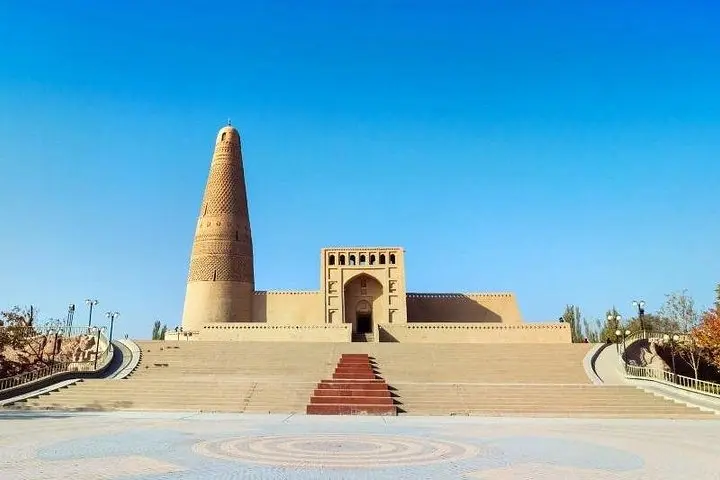
The route threads through distinct geologies—the glacial-fed basin of Heavenly Lake, the wind-swept Flaming Mountains of Turpan, the loess cliffs of the Jiaohe ruins, and Zhangye’s Danxia ridges where sedimentary bands form the so-called Rainbow Mountains. Cultural layers are equally dense: Uyghur bazaars, Tang–Song era grottoes at Mogao, and Tibetan-influenced monastic life at Ta’er (Kumbum) Monastery. The Karez underground irrigation and Jiayuguan Fortress reveal Silk Road engineering and imperial defense in plain view.
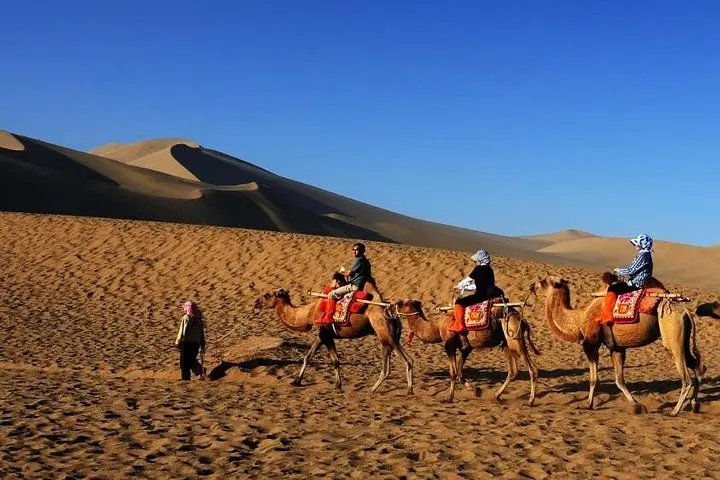
Expect a mix of short hikes (40–90 minutes), light cycling around Qinghai Lake, a camel ride on Echoing Sand Mountain, and several rail or road transfers of 2–6 hours. Elevations rise toward Qinghai Lake (~3,200 m), so allow time to acclimatize. Pack sun protection and layers—the basin heat gives way to cold nights in desert and plateau.
Practical: bring reusable water, a basic first-aid kit, comfortable trekking shoes, and photocopies of travel documents. Plan for early starts to catch sunrise at Zhangye and late afternoons for market exploration. Local guides ease permits and logistics; respect prayer hours and photography rules at religious sites. This itinerary balances spectacle with steady travel—ancient routes, modern comforts, and a clear rhythm of moving through China’s western frontier.
Most international visitors to China require a visa—check your national requirements early; the operator provides visa support letters to help the application.
Most walks are short to moderate (30–90 minutes) on uneven ground; no technical climbing is required, but basic mobility is important.
Some stops reach ~3,200 m (Qinghai Lake). Symptoms are usually mild—rest, hydrate, avoid alcohol, and inform guides if you feel unwell.
The tour includes professional English-speaking guides and 24/7 English service according to the itinerary details.
China Silk Road Travel operates guided outdoor trips and adventures with an emphasis on safety, stewardship, and memorable experiences.
First light over Urumqi feels like a starting bell: the Tianshan range chisels the horizon while the city hums with markets and engine heat. On this ten-day loop you step from alpine lakes into red-rock ridges, ride high-speed rails across deserts, and trace the same corridors that caravans once used to move silk, salt and prayer.
First light over Urumqi feels like a starting bell: the Tianshan range chisels the horizon while the city hums with markets and engine heat. On this ten-day loop you step from alpine lakes into red-rock ridges, ride high-speed rails across deserts, and trace the same corridors that caravans once used to move silk, salt and prayer.
The route threads through distinct geologies—the glacial-fed basin of Heavenly Lake, the wind-swept Flaming Mountains of Turpan, the loess cliffs of the Jiaohe ruins, and Zhangye’s Danxia ridges where sedimentary bands form the so-called Rainbow Mountains. Cultural layers are equally dense: Uyghur bazaars, Tang–Song era grottoes at Mogao, and Tibetan-influenced monastic life at Ta’er (Kumbum) Monastery. The Karez underground irrigation and Jiayuguan Fortress reveal Silk Road engineering and imperial defense in plain view.
Expect a mix of short hikes (40–90 minutes), light cycling around Qinghai Lake, a camel ride on Echoing Sand Mountain, and several rail or road transfers of 2–6 hours. Elevations rise toward Qinghai Lake (~3,200 m), so allow time to acclimatize. Pack sun protection and layers—the basin heat gives way to cold nights in desert and plateau.
Practical: bring reusable water, a basic first-aid kit, comfortable trekking shoes, and photocopies of travel documents. Plan for early starts to catch sunrise at Zhangye and late afternoons for market exploration. Local guides ease permits and logistics; respect prayer hours and photography rules at religious sites. This itinerary balances spectacle with steady travel—ancient routes, modern comforts, and a clear rhythm of moving through China’s western frontier.