THE ADVENTURE COLLECTIVE® · Independent discovery and booking for outdoor travel

Traverse Marrakech’s medina, cross the High Atlas to Aït Ben Haddou, ride camels into Merzouga’s dunes, and finish on Tifnit Beach. This 10-day route combines desert nights, kasbah history, and Atlantic winds with practical tips for timing and gear.
Traverse Marrakech’s medina, cross the High Atlas to Aït Ben Haddou, ride camels into Merzouga’s dunes, and finish on Tifnit Beach. This 10-day route combines desert nights, kasbah history, and Atlantic winds with practical tips for timing and gear.
You step from Marrakech’s medina into late-afternoon light: spice stalls hum, and the city’s heat presses against the walls like a living thing. Over the next ten days that bustle falls away into high mountain passes, palm-lined oases, and dunes that seem to shift their own stories with each gust.
Verified experiences and guided adventures in the surrounding area.
Operated by Desertbrise Travel · Marrakech, Marrakesh-Safi
You step from Marrakech’s medina into late-afternoon light: spice stalls hum, and the city’s heat presses against the walls like a living thing. Over the next ten days that bustle falls away into high mountain passes, palm-lined oases, and dunes that seem to shift their own stories with each gust.
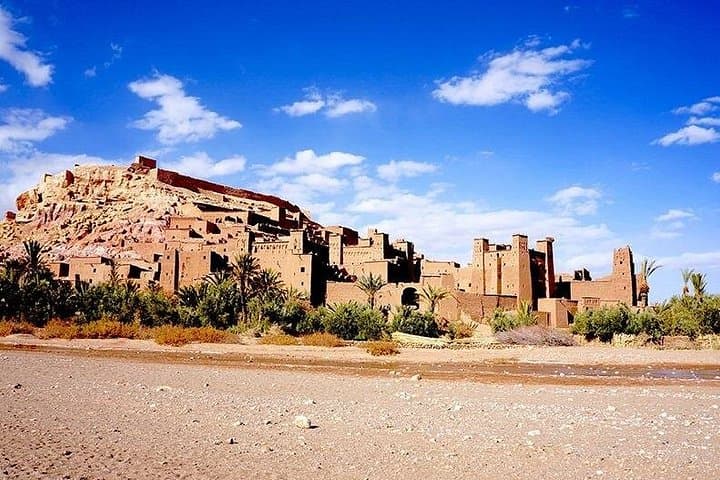
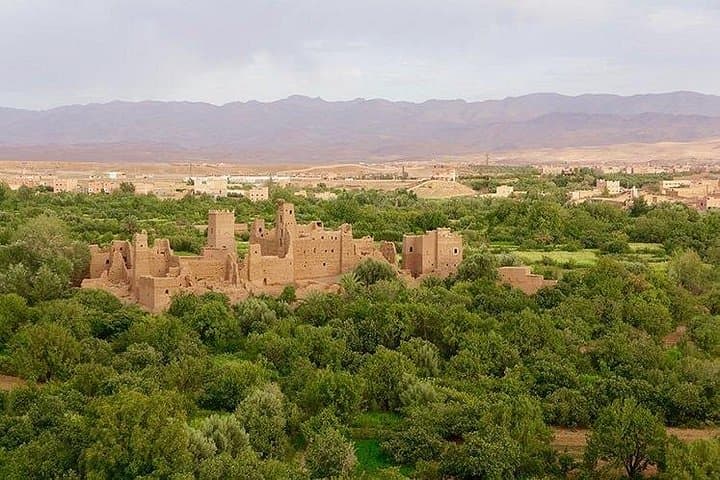
This itinerary threads through Morocco’s layered past — from the fortified ksar of Aït Ben Haddou, an earthen film set of caravan history and UNESCO protection, to the kasbahs of the Draa Valley that once guided salt caravans across the Sahara. Geology here reads like a travelogue: the High Atlas lifts to nearly 2,300 m at Tizi n’Tichka, folded strata giving way to alluvial valleys and the ochre ripples of Erg Chebbi.
Culture arrives in human scale — Berber cooperatives refining rose distillate in the Valley of Roses, Gnaoua musicians in Khemliya, and argan-collecting women near Essaouira. The Atlantic coast resets the rhythm: brisk winds, argan-studded cliffs, and a fishing harbor that still smells of salt and grilled fish.
Practical guide: pack layers for desert nights and cooler Atlas mornings, good walking shoes for kasbah lanes and canyon floors, and sun protection for open dunes and coastal glare. Expect several short drives interspersed with guided walks, a single-night luxury camp in Merzouga reached by camel, and free days for Tifnit and Essaouira’s beaches.
Timing matters — dawn in the dunes and sunset on a dune ridge reward the early riser, while off-peak shoulder seasons offer milder temperatures. Travel with respect for fragile water systems and local livelihoods — a small purchase at a cooperative goes a long way.
The camel transfer into camp is short to moderate and guided; you’ll dismount and climb dunes on foot for viewpoints, but no prior experience is required.
The itinerary is suitable for a wide range of ages but includes long drives and uneven surfaces; consult the operator about mobility needs and vehicle accessibility.
Carry Moroccan dirhams for markets and small vendors; tipping for guides, drivers, and camp staff is customary—small amounts per person per day are appropriate.
Accommodations are a mix of riads, hotels, and a luxury-style desert camp with dining, campfire music, and heated or insulated tents depending on season.
Desertbrise Travel operates guided outdoor trips and adventures with an emphasis on safety, stewardship, and memorable experiences.
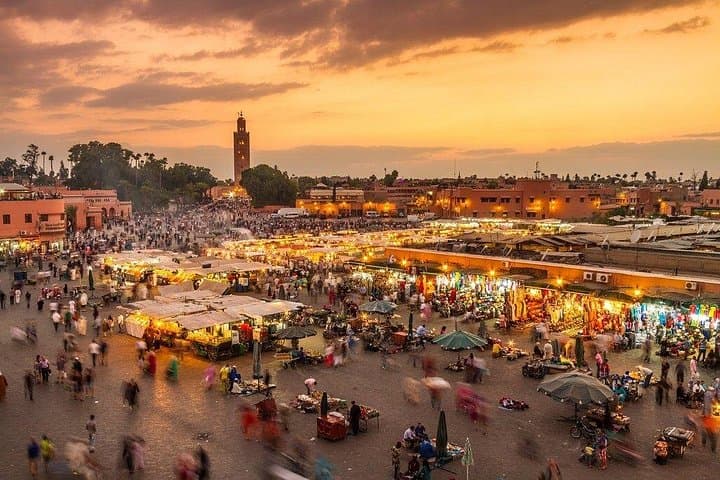
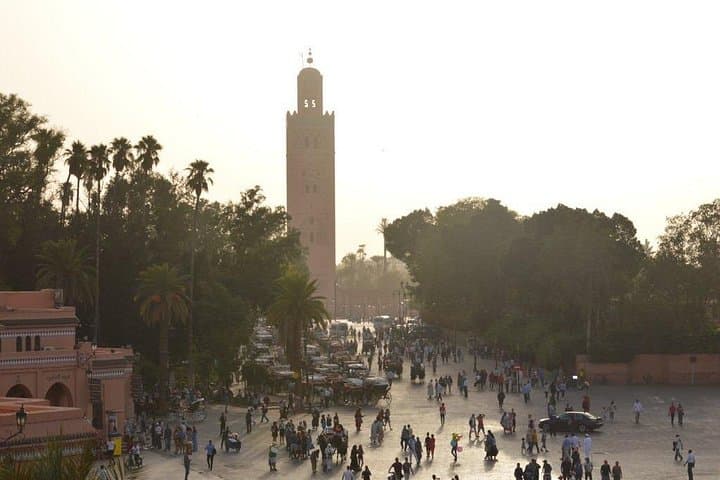
You step from Marrakech’s medina into late-afternoon light: spice stalls hum, and the city’s heat presses against the walls like a living thing. Over the next ten days that bustle falls away into high mountain passes, palm-lined oases, and dunes that seem to shift their own stories with each gust.
You step from Marrakech’s medina into late-afternoon light: spice stalls hum, and the city’s heat presses against the walls like a living thing. Over the next ten days that bustle falls away into high mountain passes, palm-lined oases, and dunes that seem to shift their own stories with each gust.
This itinerary threads through Morocco’s layered past — from the fortified ksar of Aït Ben Haddou, an earthen film set of caravan history and UNESCO protection, to the kasbahs of the Draa Valley that once guided salt caravans across the Sahara. Geology here reads like a travelogue: the High Atlas lifts to nearly 2,300 m at Tizi n’Tichka, folded strata giving way to alluvial valleys and the ochre ripples of Erg Chebbi.
Culture arrives in human scale — Berber cooperatives refining rose distillate in the Valley of Roses, Gnaoua musicians in Khemliya, and argan-collecting women near Essaouira. The Atlantic coast resets the rhythm: brisk winds, argan-studded cliffs, and a fishing harbor that still smells of salt and grilled fish.
Practical guide: pack layers for desert nights and cooler Atlas mornings, good walking shoes for kasbah lanes and canyon floors, and sun protection for open dunes and coastal glare. Expect several short drives interspersed with guided walks, a single-night luxury camp in Merzouga reached by camel, and free days for Tifnit and Essaouira’s beaches.
Timing matters — dawn in the dunes and sunset on a dune ridge reward the early riser, while off-peak shoulder seasons offer milder temperatures. Travel with respect for fragile water systems and local livelihoods — a small purchase at a cooperative goes a long way.