THE ADVENTURE COLLECTIVE® · Independent discovery and booking for outdoor travel

Traverse Egypt from the Giza Plateau to Abu Simbel on a measured 10-day itinerary that pairs Cairo’s museums and bazaars with a four-night Nile cruise. Expect guided temple walks, short domestic flights, and concentrated history at world-class archaeological sites.
Traverse Egypt from the Giza Plateau to Abu Simbel on a measured 10-day itinerary that pairs Cairo’s museums and bazaars with a four-night Nile cruise. Expect guided temple walks, short domestic flights, and concentrated history at world-class archaeological sites.
The sun lifts slowly over the Giza Plateau, gilding the triangular faces of stone that have watched the Nile roll for four millennia. You feel the weight of time in the grains of sand underfoot and the warm wind that seems to carry voices from temple courts; the city of Cairo hums not far away while the Nile, patient and sure, beckons you south toward Luxor and Aswan.
Verified experiences and guided adventures in the surrounding area.
Operated by Look at Egypt Tours · Giza, Giza Governorate
The sun lifts slowly over the Giza Plateau, gilding the triangular faces of stone that have watched the Nile roll for four millennia. You feel the weight of time in the grains of sand underfoot and the warm wind that seems to carry voices from temple courts; the city of Cairo hums not far away while the Nile, patient and sure, beckons you south toward Luxor and Aswan.
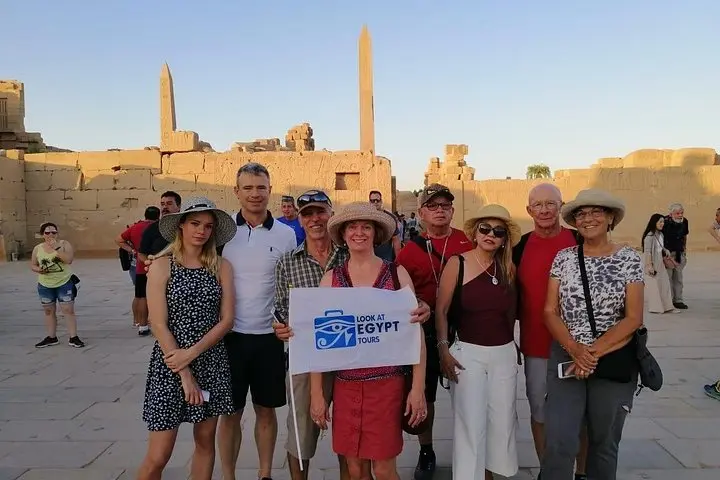
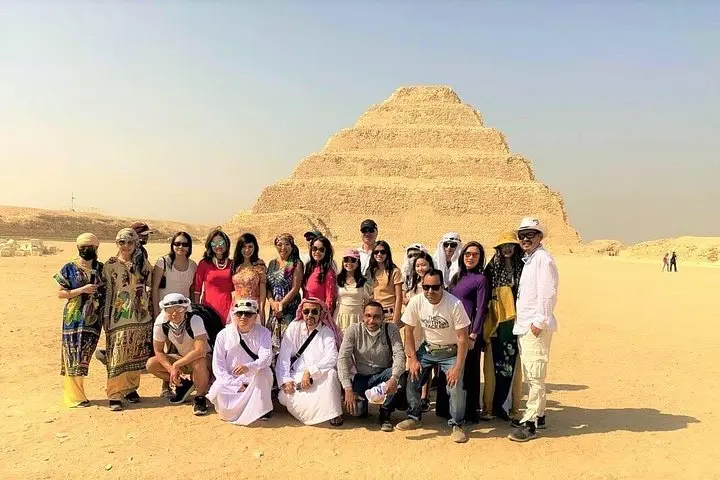
This 10-day route threads Egypt’s most concentrated chapters: the Old Kingdom monuments at Giza and Saqqara, the pharaonic riches curated in the Grand Egyptian Museum, and the temple-lined river corridor — Karnak, Luxor, the Valley of the Kings — concluded by the monumental relocation of Abu Simbel. Geology here is simple and stark: Nile silt and desert limestone sculpted civilization, while irrigation made agriculture possible and temples visible monuments of centralized power.
Culturally the journey blends living Cairo markets and millennia-old ritual sites; a qualified Egyptologist translates hieroglyphs into human stories explaining gods, kings, and daily life. UNESCO’s rescue of Abu Simbel and the Philae relocation illustrate modern conservation commitments you’ll hear about on board and at sites.
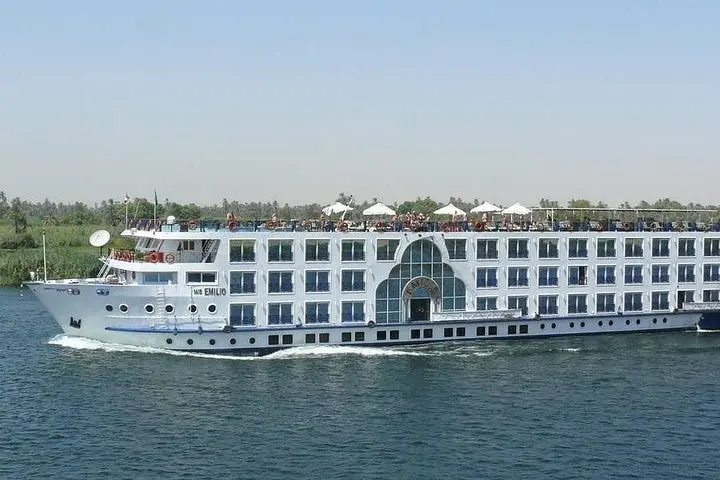
Practically, expect many guided walks on uneven stone and stairways, short domestic flights, and a relaxed four-night Nile cruise offering early-morning temple visits to avoid crowd peaks. Carry a reusable water bottle, sun protection, and comfortable footwear; permit times and entrance rules vary by site, so follow your guide’s schedule. Plan for tipping culture, modest dress at religious sites, and the chance to trade the city’s roar for the river’s quiet ripples as you move between ancient giants and modern Egypt.
Most nationalities require a visa; many travelers can obtain an e-visa before arrival or a visa on arrival—check current embassy guidance well before travel.
The cruise is low-impact: boarding and short walks to temples are the main exertion, but expect many stairs and some uneven terrain at archaeological sites.
Yes—this itinerary typically includes round-trip internal flights between Cairo, Luxor, and Aswan as listed in the trip inclusions.
Tipping is generally not included; guides and local staff rely on tips—your leader will advise local norms and suggested amounts.
Look at Egypt Tours operates guided outdoor trips and adventures with an emphasis on safety, stewardship, and memorable experiences.
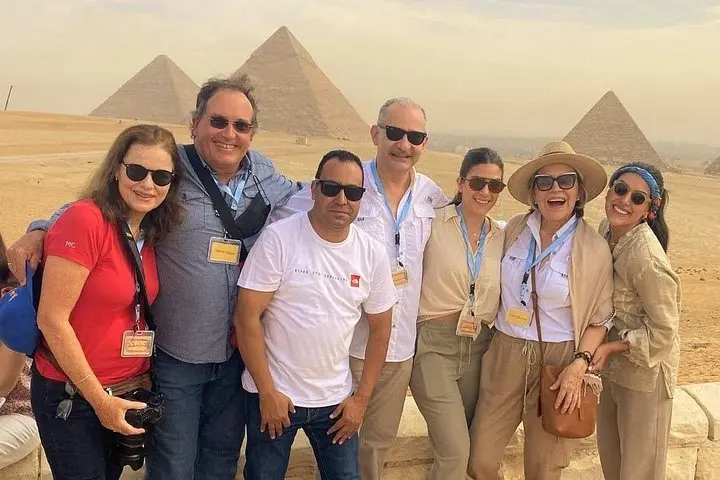
The sun lifts slowly over the Giza Plateau, gilding the triangular faces of stone that have watched the Nile roll for four millennia. You feel the weight of time in the grains of sand underfoot and the warm wind that seems to carry voices from temple courts; the city of Cairo hums not far away while the Nile, patient and sure, beckons you south toward Luxor and Aswan.
The sun lifts slowly over the Giza Plateau, gilding the triangular faces of stone that have watched the Nile roll for four millennia. You feel the weight of time in the grains of sand underfoot and the warm wind that seems to carry voices from temple courts; the city of Cairo hums not far away while the Nile, patient and sure, beckons you south toward Luxor and Aswan.
This 10-day route threads Egypt’s most concentrated chapters: the Old Kingdom monuments at Giza and Saqqara, the pharaonic riches curated in the Grand Egyptian Museum, and the temple-lined river corridor — Karnak, Luxor, the Valley of the Kings — concluded by the monumental relocation of Abu Simbel. Geology here is simple and stark: Nile silt and desert limestone sculpted civilization, while irrigation made agriculture possible and temples visible monuments of centralized power.
Culturally the journey blends living Cairo markets and millennia-old ritual sites; a qualified Egyptologist translates hieroglyphs into human stories explaining gods, kings, and daily life. UNESCO’s rescue of Abu Simbel and the Philae relocation illustrate modern conservation commitments you’ll hear about on board and at sites.
Practically, expect many guided walks on uneven stone and stairways, short domestic flights, and a relaxed four-night Nile cruise offering early-morning temple visits to avoid crowd peaks. Carry a reusable water bottle, sun protection, and comfortable footwear; permit times and entrance rules vary by site, so follow your guide’s schedule. Plan for tipping culture, modest dress at religious sites, and the chance to trade the city’s roar for the river’s quiet ripples as you move between ancient giants and modern Egypt.