THE ADVENTURE COLLECTIVE® · Independent discovery and booking for outdoor travel

A compact ten-day loop through Turkey’s greatest scenes — from the domes of Istanbul to Cappadocia’s alien rock, Pamukkale’s white terraces and the marble avenues of Ephesus. Expect history, geology, hands-on crafts, and local meals in small-group comfort.
A compact ten-day loop through Turkey’s greatest scenes — from the domes of Istanbul to Cappadocia’s alien rock, Pamukkale’s white terraces and the marble avenues of Ephesus. Expect history, geology, hands-on crafts, and local meals in small-group comfort.
Morning fog lifts off the Bosphorus like a curtain and Istanbul exhales — vendors sweep the spice market, ferry horns punctuate the air, and the domes of Hagia Sophia catch the first light. This ten-day loop threads through Turkey’s most elemental scenes: imperial stone and minaret, otherworldly Cappadocia carved from volcanic ash, the chalk-white terraces of Pamukkale, and the classical ruins of Ephesus that still feel like a place people might walk into at any moment.
Verified experiences and guided adventures in the surrounding area.
Operated by Tour Altinkum Travel · Istanbul, Istanbul
Morning fog lifts off the Bosphorus like a curtain and Istanbul exhales — vendors sweep the spice market, ferry horns punctuate the air, and the domes of Hagia Sophia catch the first light. This ten-day loop threads through Turkey’s most elemental scenes: imperial stone and minaret, otherworldly Cappadocia carved from volcanic ash, the chalk-white terraces of Pamukkale, and the classical ruins of Ephesus that still feel like a place people might walk into at any moment.
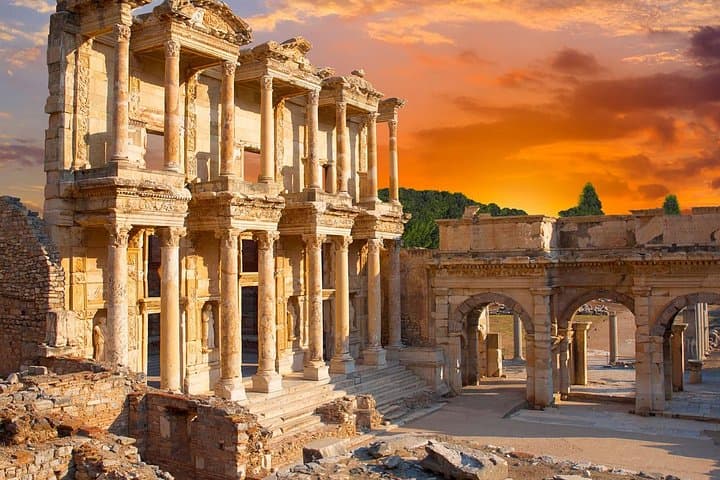
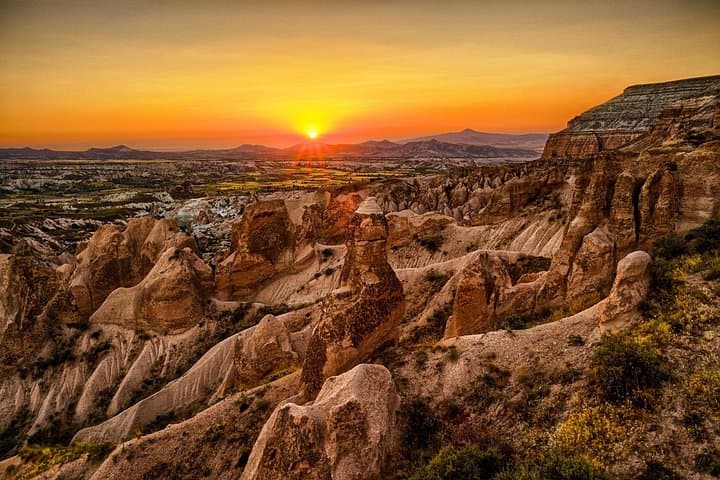
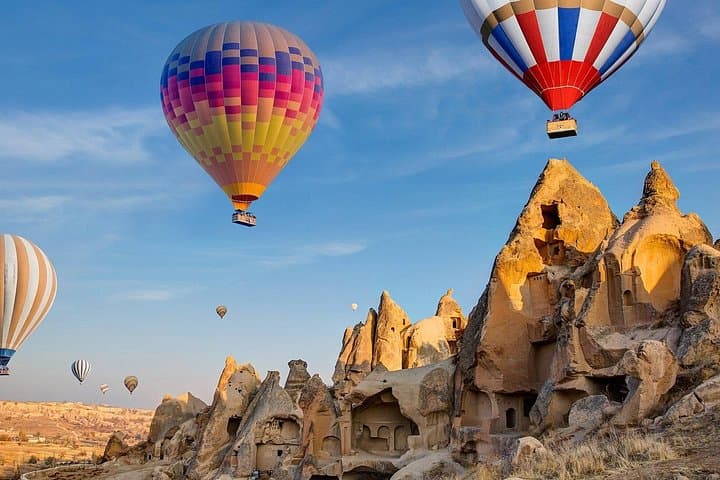
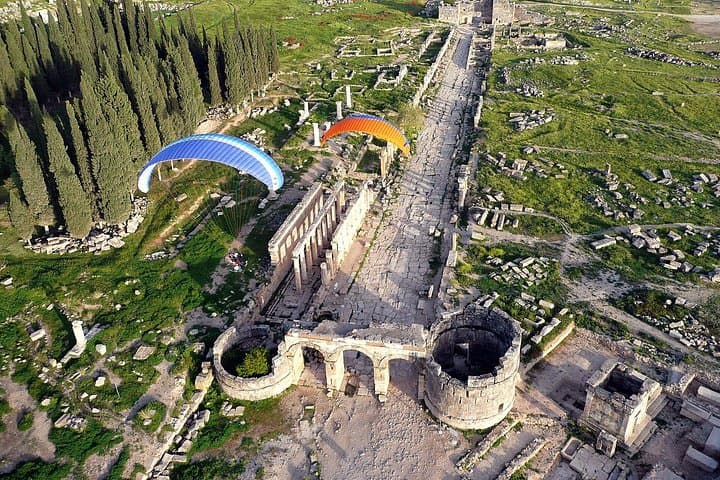
The program reads like a compact history of Anatolia. In Istanbul the mosaic of Byzantine, Roman and Ottoman layers is literal — mosaics and minarets stacked across centuries. Cappadocia’s landscape is geology made theatrical: soft tuff was eroded into fairy chimneys, then hollowed into homes and churches where early Christians sheltered from conquest. Pamukkale’s terraces are slow chemistry in motion, calcium-rich waters building white steps that have attracted pilgrims and spa-seekers since antiquity. Ephesus, once a city of quarter-million people and a hub of Roman commerce, still offers a promenade of marble and a theater that scales like an amphitheater of memory.
Culturally the trip privileges local encounters — family-run restaurants, a pottery session in Avanos, and small cave hotels that make troglodyte living accessible without losing comfort. The itinerary uses internal flights to compress distance, so mornings often start with a short transfer and land at a new horizon by noon.
Practical guide: pack shoes for cobbles and terraces — sturdy walking shoes with good tread and ankle support — and a layered system for temperature swings between coastal Antalya and higher-elevation Cappadocia. Expect moderate walking most days: ancient sites have stairs and uneven paths; the underground cities include narrow passages and low ceilings. Bring cash (Turkish lira) for small vendors and entry fees your guide may purchase; museums often close or change hours for national holidays so confirm dates in advance.
Timing tips: Pamukkale and Cappadocia sing at sunrise and sunset — early starts reward you with light that makes the rock pink and terraces glow. If you want a hot-air balloon in Cappadocia, book early and budget separately; the operator can reserve spots but flights depend on weather.
Sustainability note: Pamukkale is fragile — follow designated paths and avoid wading in restricted pools. Respect local norms at religious sites: modest dress and quiet behavior in mosques.
This route is a compact, well-paced primer on Turkey — built for travelers who want meaning and variety in ten days, with the practical scaffolding to actually see it all.
No — the balloon flight in Cappadocia is optional and must be booked separately; prices vary by season and weather can cause cancellations.
An economic domestic flight ticket is included for one leg per the itinerary; confirm exact segments with the operator.
Many nationalities require an e‑visa obtainable online before travel; check Turkey’s official e‑visa site for current rules.
Guides carry skip-the-line tickets for certain sites; some entrance fees are paid on tour in cash (lira, USD or euro) to the guide as noted.
Yes — family-owned restaurants are flexible but you should note dietary needs when booking so the supplier can notify kitchens.
Yes — transfers from Istanbul airport or your hotel are provided; share flight details at booking and expect a 15-minute pickup window.
Tour Altinkum Travel operates guided outdoor trips and adventures with an emphasis on safety, stewardship, and memorable experiences.
Morning fog lifts off the Bosphorus like a curtain and Istanbul exhales — vendors sweep the spice market, ferry horns punctuate the air, and the domes of Hagia Sophia catch the first light. This ten-day loop threads through Turkey’s most elemental scenes: imperial stone and minaret, otherworldly Cappadocia carved from volcanic ash, the chalk-white terraces of Pamukkale, and the classical ruins of Ephesus that still feel like a place people might walk into at any moment.
Morning fog lifts off the Bosphorus like a curtain and Istanbul exhales — vendors sweep the spice market, ferry horns punctuate the air, and the domes of Hagia Sophia catch the first light. This ten-day loop threads through Turkey’s most elemental scenes: imperial stone and minaret, otherworldly Cappadocia carved from volcanic ash, the chalk-white terraces of Pamukkale, and the classical ruins of Ephesus that still feel like a place people might walk into at any moment.
The program reads like a compact history of Anatolia. In Istanbul the mosaic of Byzantine, Roman and Ottoman layers is literal — mosaics and minarets stacked across centuries. Cappadocia’s landscape is geology made theatrical: soft tuff was eroded into fairy chimneys, then hollowed into homes and churches where early Christians sheltered from conquest. Pamukkale’s terraces are slow chemistry in motion, calcium-rich waters building white steps that have attracted pilgrims and spa-seekers since antiquity. Ephesus, once a city of quarter-million people and a hub of Roman commerce, still offers a promenade of marble and a theater that scales like an amphitheater of memory.
Culturally the trip privileges local encounters — family-run restaurants, a pottery session in Avanos, and small cave hotels that make troglodyte living accessible without losing comfort. The itinerary uses internal flights to compress distance, so mornings often start with a short transfer and land at a new horizon by noon.
Practical guide: pack shoes for cobbles and terraces — sturdy walking shoes with good tread and ankle support — and a layered system for temperature swings between coastal Antalya and higher-elevation Cappadocia. Expect moderate walking most days: ancient sites have stairs and uneven paths; the underground cities include narrow passages and low ceilings. Bring cash (Turkish lira) for small vendors and entry fees your guide may purchase; museums often close or change hours for national holidays so confirm dates in advance.
Timing tips: Pamukkale and Cappadocia sing at sunrise and sunset — early starts reward you with light that makes the rock pink and terraces glow. If you want a hot-air balloon in Cappadocia, book early and budget separately; the operator can reserve spots but flights depend on weather.
Sustainability note: Pamukkale is fragile — follow designated paths and avoid wading in restricted pools. Respect local norms at religious sites: modest dress and quiet behavior in mosques.
This route is a compact, well-paced primer on Turkey — built for travelers who want meaning and variety in ten days, with the practical scaffolding to actually see it all.