THE ADVENTURE COLLECTIVE® · Independent discovery and booking for outdoor travel

Spend ten days moving from Murchison’s Nile-swept savannah to Kibale’s primate-rich rainforest and Bwindi’s mountain gorilla habitat. This itinerary combines long drives, forest treks and boat cruises for a comprehensive Uganda wildlife experience.
Spend ten days moving from Murchison’s Nile-swept savannah to Kibale’s primate-rich rainforest and Bwindi’s mountain gorilla habitat. This itinerary combines long drives, forest treks and boat cruises for a comprehensive Uganda wildlife experience.
Dawn breaks over a red-dust road as your convoy slips away from Entebbe toward the green spine of western Uganda. Morning light slices through banana plantations and terraced hills; the Nile murmurs downstream while the impenetrable forest of Bwindi waits, its ridgelines breathing mist. Over ten days you move from riverine savannah at Murchison to the ancient forest of Kibale and the steep, mossy slopes where mountain gorillas feed.
Verified experiences and guided adventures in the surrounding area.
Operated by Prime Safaris and Tours Limited · Kampala, Central Region
Dawn breaks over a red-dust road as your convoy slips away from Entebbe toward the green spine of western Uganda. Morning light slices through banana plantations and terraced hills; the Nile murmurs downstream while the impenetrable forest of Bwindi waits, its ridgelines breathing mist. Over ten days you move from riverine savannah at Murchison to the ancient forest of Kibale and the steep, mossy slopes where mountain gorillas feed.
Uganda’s landscape is geologically young — rift valleys, layered basalts and volcanic highlands shape routes and viewpoints. Culturally, the trip threads through Acholi, Batoro and Bakiga communities whose livelihoods increasingly link to conservation tourism: community-run wetland walks and craft centers are part of the itinerary.
Expect varied terrain and logistics: long drives (Murchison ~311 km/5 hours from Kampala, transfers of 2–4 hours between parks), forest trails with 300–800 m of elevation change on trekking days, and humid, often muddy conditions. Gorilla treks typically last 2–8 hours; the official viewing time is one hour once a group locates a family. Chimpanzee tracking in Kibale can be a shorter, but equally immersive, forest hike.
Practical guidance: book gorilla permits well in advance, prepare for slippery roots and steep climbs with waterproof boots and gaiters, and carry a lightweight rain shell, snacks, and 2–3 liters of water per day. Respect park rules — stay the prescribed distance from primates, avoid strong scents, and follow ranger instructions. With basic fitness and preparation, this itinerary delivers close wildlife encounters, varied ecosystems and a deep look at Uganda’s conservation efforts.
Yes — gorilla permits are mandatory, limited in number and usually must be purchased well in advance through authorized channels.
Gorilla treks can take 2–8 hours depending on the gorillas’ movements; expect full-day transfers between some parks (2–5 hours each).
Routine vaccinations should be current; malaria prophylaxis, yellow fever vaccination, and travel health advice from a clinic are recommended before travel.
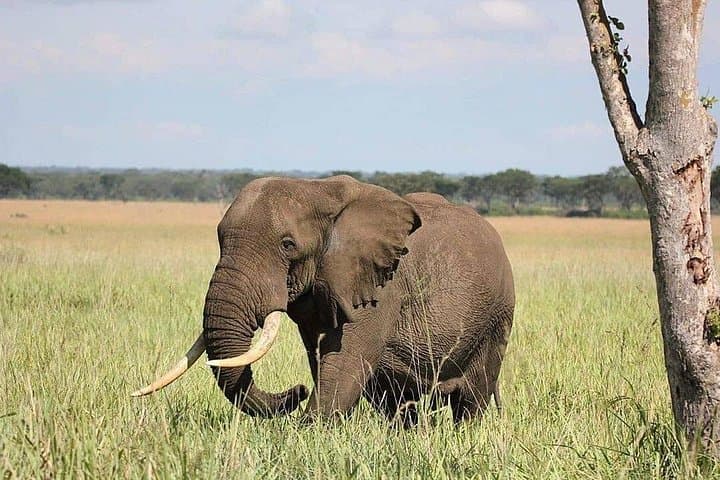
Yes — the itinerary includes Murchison and Queen Elizabeth where you can encounter elephants, buffalo, lions, hippos and a rich birdlife including shoebill in wetland areas.
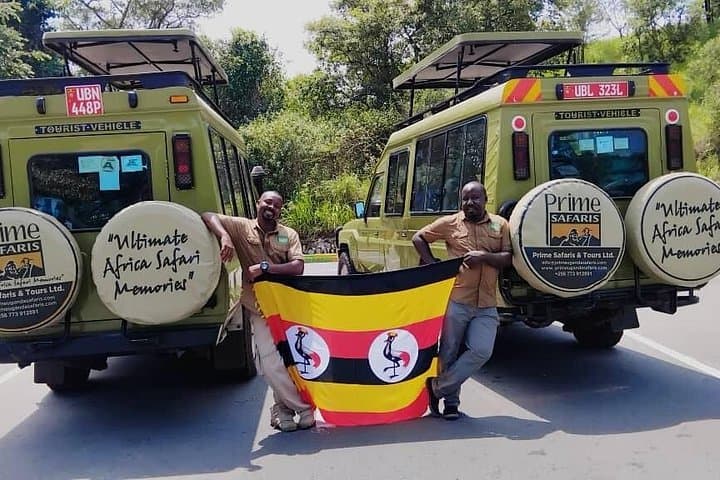
Prime Safaris and Tours Limited operates guided outdoor trips and adventures with an emphasis on safety, stewardship, and memorable experiences.


Dawn breaks over a red-dust road as your convoy slips away from Entebbe toward the green spine of western Uganda. Morning light slices through banana plantations and terraced hills; the Nile murmurs downstream while the impenetrable forest of Bwindi waits, its ridgelines breathing mist. Over ten days you move from riverine savannah at Murchison to the ancient forest of Kibale and the steep, mossy slopes where mountain gorillas feed.
Dawn breaks over a red-dust road as your convoy slips away from Entebbe toward the green spine of western Uganda. Morning light slices through banana plantations and terraced hills; the Nile murmurs downstream while the impenetrable forest of Bwindi waits, its ridgelines breathing mist. Over ten days you move from riverine savannah at Murchison to the ancient forest of Kibale and the steep, mossy slopes where mountain gorillas feed.
Uganda’s landscape is geologically young — rift valleys, layered basalts and volcanic highlands shape routes and viewpoints. Culturally, the trip threads through Acholi, Batoro and Bakiga communities whose livelihoods increasingly link to conservation tourism: community-run wetland walks and craft centers are part of the itinerary.
Expect varied terrain and logistics: long drives (Murchison ~311 km/5 hours from Kampala, transfers of 2–4 hours between parks), forest trails with 300–800 m of elevation change on trekking days, and humid, often muddy conditions. Gorilla treks typically last 2–8 hours; the official viewing time is one hour once a group locates a family. Chimpanzee tracking in Kibale can be a shorter, but equally immersive, forest hike.
Practical guidance: book gorilla permits well in advance, prepare for slippery roots and steep climbs with waterproof boots and gaiters, and carry a lightweight rain shell, snacks, and 2–3 liters of water per day. Respect park rules — stay the prescribed distance from primates, avoid strong scents, and follow ranger instructions. With basic fitness and preparation, this itinerary delivers close wildlife encounters, varied ecosystems and a deep look at Uganda’s conservation efforts.