THE ADVENTURE COLLECTIVE® · Independent discovery and booking for outdoor travel

Spend ten days following the great migration across Tarangire, Lake Manyara, Serengeti and Ngorongoro. Expect long game drives, patient stakeouts at river banks, and close encounters with herds and predators when and if the crossings occur.
Spend ten days following the great migration across Tarangire, Lake Manyara, Serengeti and Ngorongoro. Expect long game drives, patient stakeouts at river banks, and close encounters with herds and predators when and if the crossings occur.
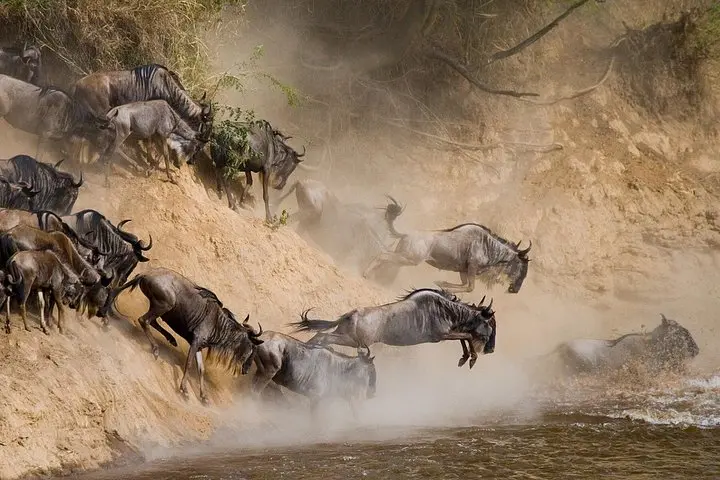
Dawn breaks over a sweep of scorched grass and granite kopjes; dust rises where hundreds of hooves have already marched, and the Mara River gleams like a thread of silver daring the herd to cross. On a 10‑day Wildebeest River Crossing safari, you move with that rhythm—early starts, long game drives, and stretches of patient observation as the migration decides its course.
Verified experiences and guided adventures in the surrounding area.
Operated by Congema Safaris · Arusha, Arusha Region
Dawn breaks over a sweep of scorched grass and granite kopjes; dust rises where hundreds of hooves have already marched, and the Mara River gleams like a thread of silver daring the herd to cross. On a 10‑day Wildebeest River Crossing safari, you move with that rhythm—early starts, long game drives, and stretches of patient observation as the migration decides its course.
The route threads Tarangire’s baobab‑studded flats to Lake Manyara’s bird‑rich floodplain, then across the Serengeti’s central and northern plains before descending into the volcanic bowl of Ngorongoro. Geology here is dramatic: Serengeti’s open plains sit on ancient basalt and lava flows while Ngorongoro is a collapsed caldera that shelters dense wildlife populations. Maasai culture remains visible along the way; pastoral communities still graze cattle on the highlands and markets in Karatu offer a quick glimpse of local life.
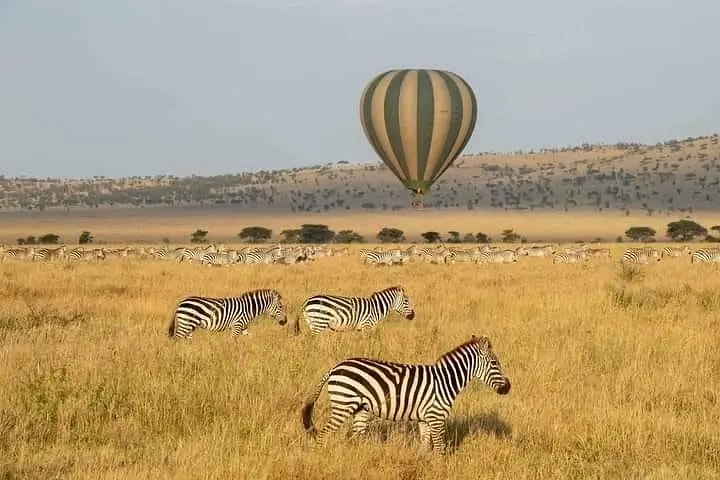
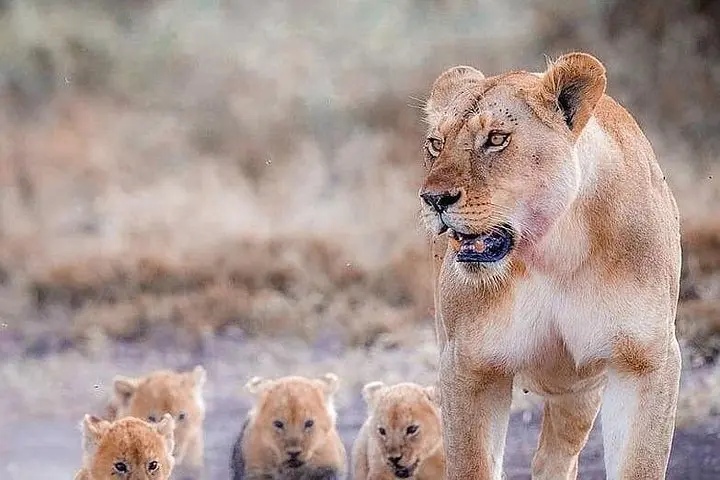
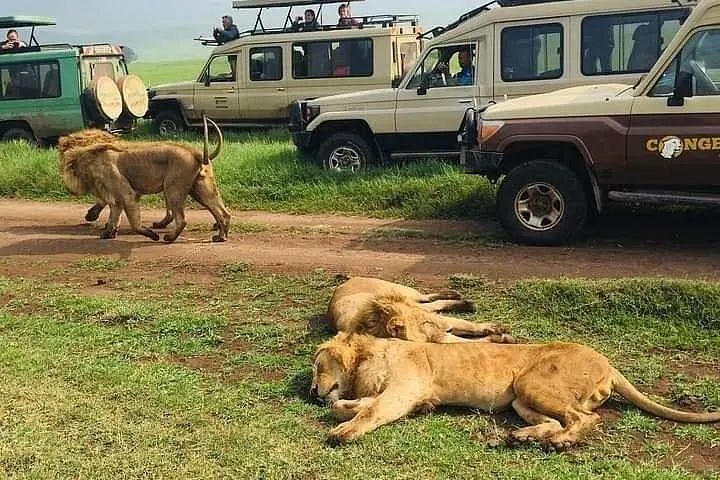
Expect wildlife concentration—wildebeest, zebra, gazelle, predators and Nile crocodiles at river margins—yet crossings are never guaranteed and often require patience and local tracking knowledge. Vehicles range from 4x4 safari jeeps with pop‑up roofs to more basic transports; guides read the land, wind and herd behavior to find action.
Practical guidance: travel light but bring a telephoto lens and binoculars, sun protection and layers for chilly mornings, and antimalarial precautions where advised. Plan for lots of driving between parks, keep hydrated in the field with supplied bottled water, and follow your guide’s safety brief around wildlife. For photographers and nature lovers the wait is part of the reward—when a crossing happens, the landscape and life itself move forward together.
The peak months for Mara River crossings are June through October during the dry season, though crossings are unpredictable and can occur at other times depending on rainfall and herd movement.
Crossings are dangerous for the animals but generally safe for visitors if you remain inside the vehicle and follow your guide’s instructions; do not approach water edges on foot.
Travelers to Tanzania should check current visa requirements and consult a health provider about routine vaccinations and malaria prophylaxis well before travel.
This itinerary lists accessibility options and is broadly suitable for varying fitness levels, but expect bumpy roads and limited mobility during some activities—communicate needs when booking.
Congema Safaris operates guided outdoor trips and adventures with an emphasis on safety, stewardship, and memorable experiences.
Dawn breaks over a sweep of scorched grass and granite kopjes; dust rises where hundreds of hooves have already marched, and the Mara River gleams like a thread of silver daring the herd to cross. On a 10‑day Wildebeest River Crossing safari, you move with that rhythm—early starts, long game drives, and stretches of patient observation as the migration decides its course.
Dawn breaks over a sweep of scorched grass and granite kopjes; dust rises where hundreds of hooves have already marched, and the Mara River gleams like a thread of silver daring the herd to cross. On a 10‑day Wildebeest River Crossing safari, you move with that rhythm—early starts, long game drives, and stretches of patient observation as the migration decides its course.
The route threads Tarangire’s baobab‑studded flats to Lake Manyara’s bird‑rich floodplain, then across the Serengeti’s central and northern plains before descending into the volcanic bowl of Ngorongoro. Geology here is dramatic: Serengeti’s open plains sit on ancient basalt and lava flows while Ngorongoro is a collapsed caldera that shelters dense wildlife populations. Maasai culture remains visible along the way; pastoral communities still graze cattle on the highlands and markets in Karatu offer a quick glimpse of local life.
Expect wildlife concentration—wildebeest, zebra, gazelle, predators and Nile crocodiles at river margins—yet crossings are never guaranteed and often require patience and local tracking knowledge. Vehicles range from 4x4 safari jeeps with pop‑up roofs to more basic transports; guides read the land, wind and herd behavior to find action.
Practical guidance: travel light but bring a telephoto lens and binoculars, sun protection and layers for chilly mornings, and antimalarial precautions where advised. Plan for lots of driving between parks, keep hydrated in the field with supplied bottled water, and follow your guide’s safety brief around wildlife. For photographers and nature lovers the wait is part of the reward—when a crossing happens, the landscape and life itself move forward together.