THE ADVENTURE COLLECTIVE® · Independent discovery and booking for outdoor travel

Split your time between the labyrinthine streets of Stone Town and the vast, river-cut plains of Selous. This 10-day itinerary pairs cultural immersion, snorkeling and guided game drives for a classic Tanzania beach-and-safari circuit.
Split your time between the labyrinthine streets of Stone Town and the vast, river-cut plains of Selous. This 10-day itinerary pairs cultural immersion, snorkeling and guided game drives for a classic Tanzania beach-and-safari circuit.
You arrive in Stone Town at dawn: salt-sweet air threads through narrow alleys, fishermen haul early nets and the call to prayer folds into the clatter of market life. Days on this 10-day loop split cleanly between the island’s coral-fringed beaches and the raw scale of Selous—now Nyerere National Park—where the Rufiji River cuts a slow, bronze line through floodplain and savanna.
Verified experiences and guided adventures in the surrounding area.
Operated by Beyond Africa Safaris (Pty)Ltd · Zanzibar City, Zanzibar
You arrive in Stone Town at dawn: salt-sweet air threads through narrow alleys, fishermen haul early nets and the call to prayer folds into the clatter of market life. Days on this 10-day loop split cleanly between the island’s coral-fringed beaches and the raw scale of Selous—now Nyerere National Park—where the Rufiji River cuts a slow, bronze line through floodplain and savanna.
Stone Town’s carved doors and coral-rag buildings map centuries of Omani, Persian and Swahili exchange; spices and dhow traffic shaped the archipelago’s culture and cuisine. Geologically, Zanzibar rides a limestone platform whose reefs and sandbanks produce the white beaches you’ll relax on; inland, Selous’ floodplain soils support grasses that feed elephants and lions and nurture prolific birdlife.
Interactions here feel direct: a dhow sails like a slow promise offshore, and hippos turn the river into a nocturnal thoroughfare. Expect guided game drives and bush walks with trackers who read spoor the way Stone Town vendors read the tide. Visit Jozani Forest to find red colobus monkeys and small community-run spice farms to taste cardamom, cinnamon and clove where they grow.
Practical edge: travel between island and reserve is by bush plane and vehicle—pack light, favor breathable layers, and bring reef-safe sunscreen. Malaria prophylaxis, up-to-date vaccinations and insect protection are recommended for the Selous portion. Cash (Tanzanian shillings) is useful in markets; major cards work at hotels. Timing matters—dry months (June–October, January–February) make wildlife viewing easier and beach days more reliable. Respect local customs, minimize plastic, and leave the tracks you follow.
Routine vaccines are recommended; yellow fever vaccination may be required depending on your travel history—consult a travel clinic well before departure.
Bush flights between Zanzibar and Selous are short, typically around 1–2 hours including transfers, but schedules depend on operator logistics.
Yes—many activities are family-friendly, but ask about age limits for bush walks and ensure children have required medications and mosquito protection.
Tanzanian shillings are preferred locally; major hotels accept cards but carry cash for markets, tips and remote areas.
Beyond Africa Safaris (Pty)Ltd operates guided outdoor trips and adventures with an emphasis on safety, stewardship, and memorable experiences.

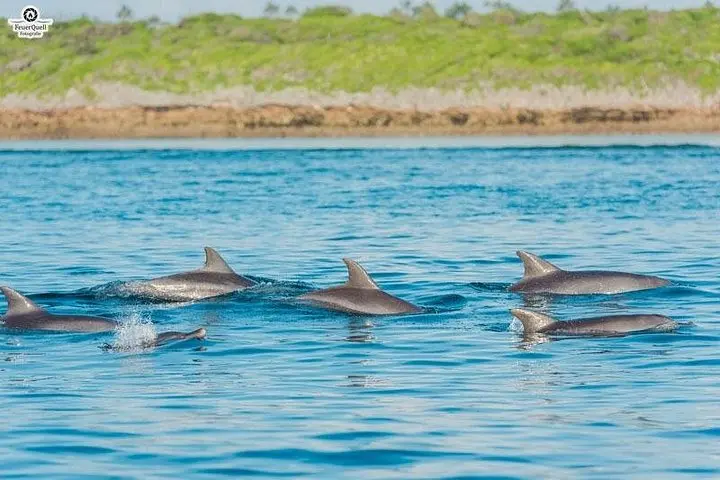
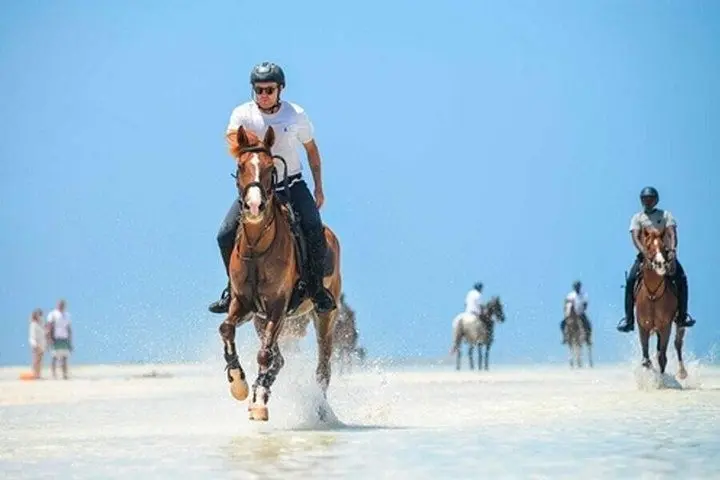

You arrive in Stone Town at dawn: salt-sweet air threads through narrow alleys, fishermen haul early nets and the call to prayer folds into the clatter of market life. Days on this 10-day loop split cleanly between the island’s coral-fringed beaches and the raw scale of Selous—now Nyerere National Park—where the Rufiji River cuts a slow, bronze line through floodplain and savanna.
You arrive in Stone Town at dawn: salt-sweet air threads through narrow alleys, fishermen haul early nets and the call to prayer folds into the clatter of market life. Days on this 10-day loop split cleanly between the island’s coral-fringed beaches and the raw scale of Selous—now Nyerere National Park—where the Rufiji River cuts a slow, bronze line through floodplain and savanna.
Stone Town’s carved doors and coral-rag buildings map centuries of Omani, Persian and Swahili exchange; spices and dhow traffic shaped the archipelago’s culture and cuisine. Geologically, Zanzibar rides a limestone platform whose reefs and sandbanks produce the white beaches you’ll relax on; inland, Selous’ floodplain soils support grasses that feed elephants and lions and nurture prolific birdlife.
Interactions here feel direct: a dhow sails like a slow promise offshore, and hippos turn the river into a nocturnal thoroughfare. Expect guided game drives and bush walks with trackers who read spoor the way Stone Town vendors read the tide. Visit Jozani Forest to find red colobus monkeys and small community-run spice farms to taste cardamom, cinnamon and clove where they grow.
Practical edge: travel between island and reserve is by bush plane and vehicle—pack light, favor breathable layers, and bring reef-safe sunscreen. Malaria prophylaxis, up-to-date vaccinations and insect protection are recommended for the Selous portion. Cash (Tanzanian shillings) is useful in markets; major cards work at hotels. Timing matters—dry months (June–October, January–February) make wildlife viewing easier and beach days more reliable. Respect local customs, minimize plastic, and leave the tracks you follow.