THE ADVENTURE COLLECTIVE® · Independent discovery and booking for outdoor travel

Float through channels where dolphins break the calm and learn shelling techniques from a Florida Master Naturalist. This 3.5‑hour Goodland departure pairs wildlife viewing with a guided beach walk on an uninhabited barrier island.
Float through channels where dolphins break the calm and learn shelling techniques from a Florida Master Naturalist. This 3.5‑hour Goodland departure pairs wildlife viewing with a guided beach walk on an uninhabited barrier island.
The sun lifts off the Gulf in a slow, flat arc as the captain eases the boat away from the Goodland Boat Park. Mangrove islands appear like green teeth against pale water, channels cutting between them that dare you to look closer. Gulls wheel and a distant dolphin breaks the surface—curious, deliberate—while the guide, a Florida Master Naturalist, points out how tides carve the islands and where the best shelling pockets hide.
Verified experiences and guided adventures in the surrounding area.
Operated by Marco Island Boat Tours · Goodland, Florida
The sun lifts off the Gulf in a slow, flat arc as the captain eases the boat away from the Goodland Boat Park. Mangrove islands appear like green teeth against pale water, channels cutting between them that dare you to look closer. Gulls wheel and a distant dolphin breaks the surface—curious, deliberate—while the guide, a Florida Master Naturalist, points out how tides carve the islands and where the best shelling pockets hide.
This 3.5-hour tour splits naturally between an intimate cruise through the 10,000 Islands Wildlife Refuge and a guided shelling walk on an uninhabited barrier island. Geologically, these islands are dynamic: low, sandy spits and mangrove keys formed from sediments pushed by the Gulf and shaped by storm cycles and tides. Culturally the coast bears the imprint of indigenous Calusa people, early fishing communities, and more recent shell‑collecting traditions that shaped local livelihoods.
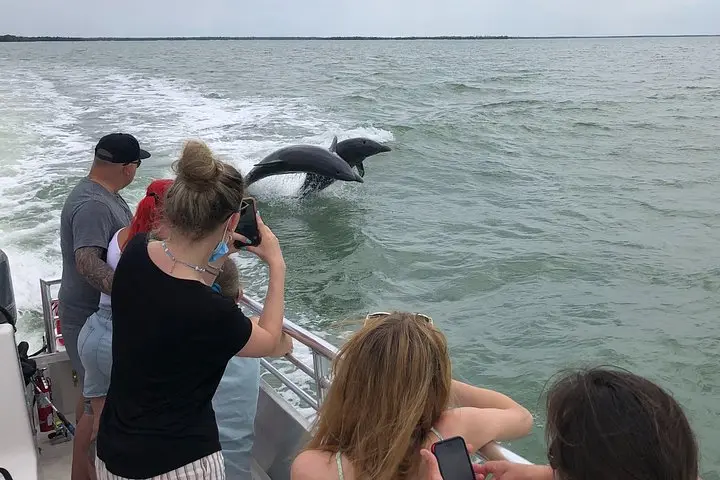
On board, learning is practical. Your guide explains beach dynamics—why certain shells concentrate at high-tide wrack lines—and demonstrates techniques for finding unbroken specimens without damaging living habitats. The boat’s slow pace makes wildlife viewing deliberate: dolphins hunt in small groups, herons and egrets patrol the flats, and the occasional manatee surfaces like a slow, breathing rock.
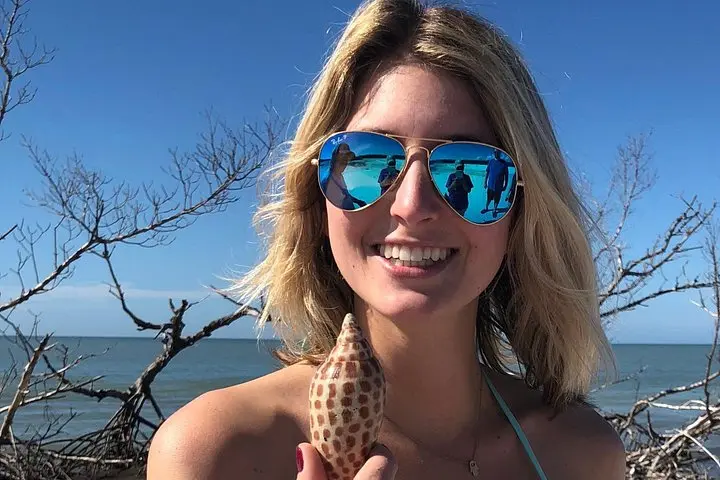
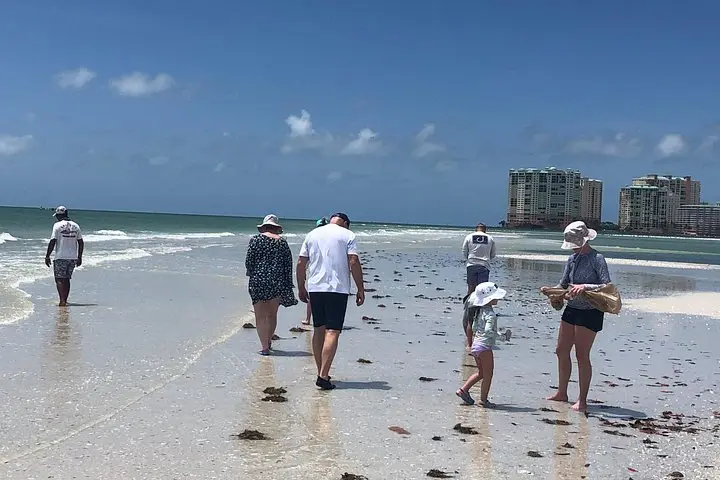
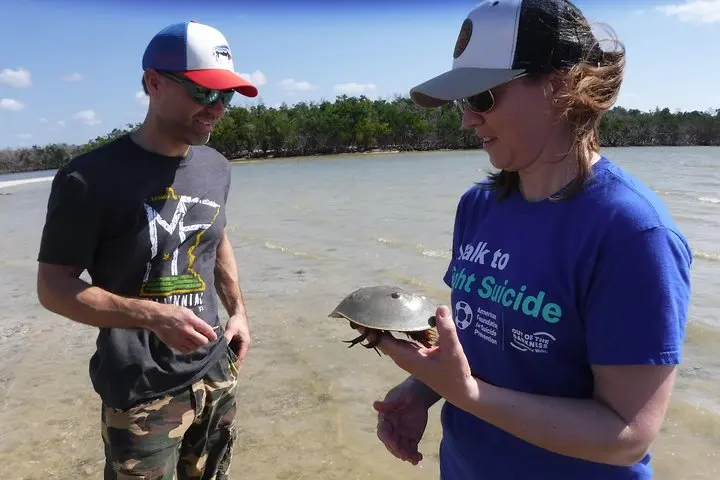
The remote beach stop is both classroom and playground. You’ll walk tidal flats, probe shallow pools for small creatures, and filter sand for colorful whelks and scallops. The experience is tactile: the sand pushes back underfoot, wind sketches ripples across the shore, and the Gulf keeps a constant, low rhythm.
Practical details matter. Tours depart from Goodland Boat Park (meet at the covered picnic pavilion) at 8:30 a.m. and 1:30 p.m.; mornings are recommended from June through October to avoid afternoon winds and storms. The group size is capped (around 17), so book ahead. Wear shoes you don’t mind wetting, bring sunscreen, hat, and a reusable water bottle. Expect light walking on uneven, sometimes wet sand and shallow wading; mobility-friendly options are limited due to the boat landing.
Conservation is integral—guides emphasize “leave what you find” when it comes to living organisms, and shell collecting focuses on empty, intact shells only. Cameras are strongly encouraged; the boat provides a large, stable platform for photography and wildlife watching.
This excursion is an efficient way to feel the ecology of Southwest Florida: low islands that move with tides, birds that treat the shoreline as both table and highway, and the Gulf offering a persistent, saline soundtrack. It’s a short, approachable slice of Florida wildness with enough hands-on learning to make it stick.
Meet at the Goodland Boat Park under the covered picnic pavilion to the left of the marina office; arrive 20–25 minutes early to park and use facilities.
Yes—guides tailor instruction for families and assist children with safe, hands‑on shelling techniques.
Dolphins are commonly sighted; you may also see manatees, shorebirds, herons, and occasionally bald eagles depending on conditions.
Yes, but only empty, uninhabited shells—guides teach how to identify live shells and discourage removing living creatures.
Tours are cancelled for severe weather; you can get a full refund if you cancel at least 24 hours prior, and operators may cancel for unsafe conditions.
Yes—arrive early to use marina facilities; the operator requests arrival 20–25 minutes before departure.
Marco Island Boat Tours operates guided outdoor trips and adventures with an emphasis on safety, stewardship, and memorable experiences.
The sun lifts off the Gulf in a slow, flat arc as the captain eases the boat away from the Goodland Boat Park. Mangrove islands appear like green teeth against pale water, channels cutting between them that dare you to look closer. Gulls wheel and a distant dolphin breaks the surface—curious, deliberate—while the guide, a Florida Master Naturalist, points out how tides carve the islands and where the best shelling pockets hide.
The sun lifts off the Gulf in a slow, flat arc as the captain eases the boat away from the Goodland Boat Park. Mangrove islands appear like green teeth against pale water, channels cutting between them that dare you to look closer. Gulls wheel and a distant dolphin breaks the surface—curious, deliberate—while the guide, a Florida Master Naturalist, points out how tides carve the islands and where the best shelling pockets hide.
This 3.5-hour tour splits naturally between an intimate cruise through the 10,000 Islands Wildlife Refuge and a guided shelling walk on an uninhabited barrier island. Geologically, these islands are dynamic: low, sandy spits and mangrove keys formed from sediments pushed by the Gulf and shaped by storm cycles and tides. Culturally the coast bears the imprint of indigenous Calusa people, early fishing communities, and more recent shell‑collecting traditions that shaped local livelihoods.
On board, learning is practical. Your guide explains beach dynamics—why certain shells concentrate at high-tide wrack lines—and demonstrates techniques for finding unbroken specimens without damaging living habitats. The boat’s slow pace makes wildlife viewing deliberate: dolphins hunt in small groups, herons and egrets patrol the flats, and the occasional manatee surfaces like a slow, breathing rock.
The remote beach stop is both classroom and playground. You’ll walk tidal flats, probe shallow pools for small creatures, and filter sand for colorful whelks and scallops. The experience is tactile: the sand pushes back underfoot, wind sketches ripples across the shore, and the Gulf keeps a constant, low rhythm.
Practical details matter. Tours depart from Goodland Boat Park (meet at the covered picnic pavilion) at 8:30 a.m. and 1:30 p.m.; mornings are recommended from June through October to avoid afternoon winds and storms. The group size is capped (around 17), so book ahead. Wear shoes you don’t mind wetting, bring sunscreen, hat, and a reusable water bottle. Expect light walking on uneven, sometimes wet sand and shallow wading; mobility-friendly options are limited due to the boat landing.
Conservation is integral—guides emphasize “leave what you find” when it comes to living organisms, and shell collecting focuses on empty, intact shells only. Cameras are strongly encouraged; the boat provides a large, stable platform for photography and wildlife watching.
This excursion is an efficient way to feel the ecology of Southwest Florida: low islands that move with tides, birds that treat the shoreline as both table and highway, and the Gulf offering a persistent, saline soundtrack. It’s a short, approachable slice of Florida wildness with enough hands-on learning to make it stick.