THE ADVENTURE COLLECTIVE® · Independent discovery and booking for outdoor travel

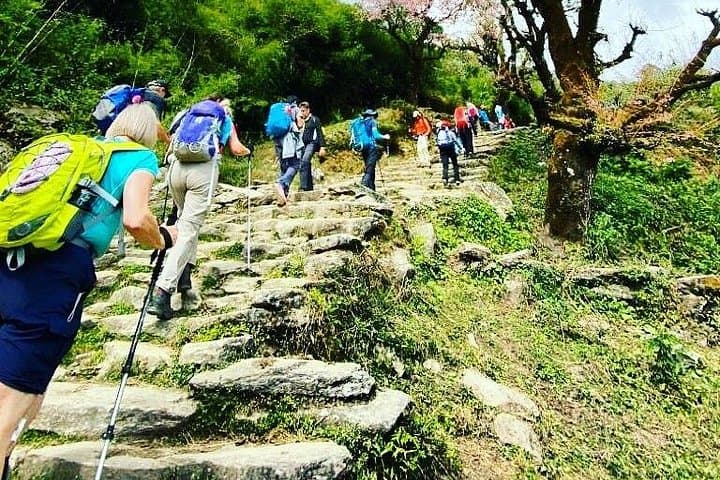
Follow classic trails from Nayapul to the Annapurna Sanctuary on this 11-day trek. Expect steep stone stairs, rhododendron forests, high alpine meadows and tea-house nights under Himalayan stars.
Follow classic trails from Nayapul to the Annapurna Sanctuary on this 11-day trek. Expect steep stone stairs, rhododendron forests, high alpine meadows and tea-house nights under Himalayan stars.
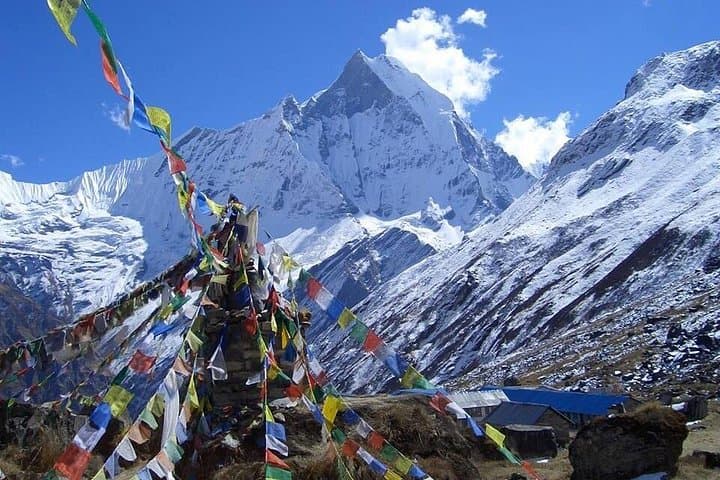
The trail opens with a breath of river-slick air as you leave Pokhara behind and the Modi Khola dares you across its bridges. Forested steps climb through terraces and rhododendron, then the landscape thins into alpine meadows with the amphitheater of Annapurna peaks tightening around you.
Verified experiences and guided adventures in the surrounding area.
Operated by Himalayan Vista Trekking Pvt. Ltd. · Pokhara, Gandaki Province
The trail opens with a breath of river-slick air as you leave Pokhara behind and the Modi Khola dares you across its bridges. Forested steps climb through terraces and rhododendron, then the landscape thins into alpine meadows with the amphitheater of Annapurna peaks tightening around you.
This route follows long-established paths used by Gurung and Magar communities; tea houses that line the way reflect a centuries-old mountain hospitality and the Annapurna Conservation Area’s later designation as Nepal’s first protected region. Geologically the sanctuary is a bowl carved by glaciers and rivers, with steep moraines and frequent scree fields near the higher camps. Cultural markers—small shrines, carved mani stones, and mountain-facing village courtyards—offer windows into local life.
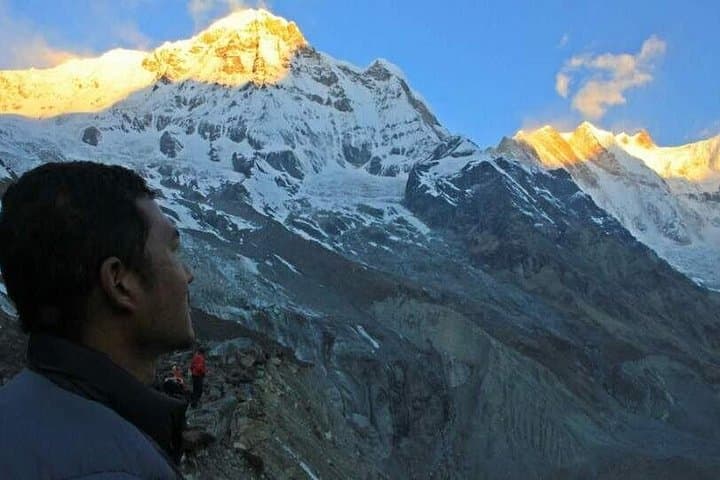
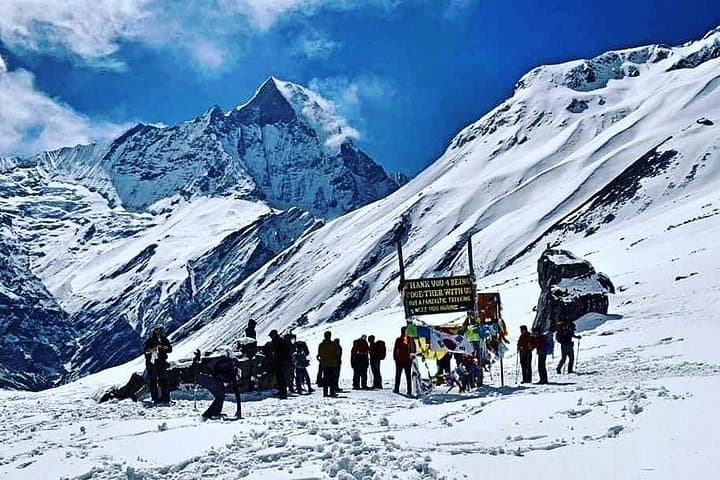
Expect daily gains and losses rather than a single summit push: climbs are steep in sections (stone staircases high above river valleys) and the final approach to ABC rises to roughly 4,130 m. Weather can flip from sun to wind to snow; mornings bring crisp light across Machapuchare and Annapurna I, evenings the quiet of tea-house lanterns.
Practical edge: pace yourself for altitude, carry a warm layer even in summer, and budget cash—tea houses accept little else. Hydrate early, use trekking poles on descents, and allow a rest or acclimatization day if your breathing tightens. With reasonable fitness and respect for the mountains, the Annapurna Base Camp trek delivers sustained high-mountain views, close cultural contact and genuine sense of arrival at the sanctuary floor.
Yes—trekkers need an ACAP (Annapurna Conservation Area Project) permit and a TIMS card; guides/agents usually arrange these before or on arrival in Pokhara.
October–November and March–April offer the most stable weather and visibility; spring shows rhododendron blooms, fall brings clearer skies.
The final approach is high-altitude but not technical; expect steep walking with scree in places—altitude, not technical difficulty, is the main challenge.
Tea houses provide basic rooms, hot meals and shared facilities; expect simple bedding, limited hot water and variable charging options.
Himalayan Vista Trekking Pvt. Ltd. operates guided outdoor trips and adventures with an emphasis on safety, stewardship, and memorable experiences.
The trail opens with a breath of river-slick air as you leave Pokhara behind and the Modi Khola dares you across its bridges. Forested steps climb through terraces and rhododendron, then the landscape thins into alpine meadows with the amphitheater of Annapurna peaks tightening around you.
The trail opens with a breath of river-slick air as you leave Pokhara behind and the Modi Khola dares you across its bridges. Forested steps climb through terraces and rhododendron, then the landscape thins into alpine meadows with the amphitheater of Annapurna peaks tightening around you.
This route follows long-established paths used by Gurung and Magar communities; tea houses that line the way reflect a centuries-old mountain hospitality and the Annapurna Conservation Area’s later designation as Nepal’s first protected region. Geologically the sanctuary is a bowl carved by glaciers and rivers, with steep moraines and frequent scree fields near the higher camps. Cultural markers—small shrines, carved mani stones, and mountain-facing village courtyards—offer windows into local life.
Expect daily gains and losses rather than a single summit push: climbs are steep in sections (stone staircases high above river valleys) and the final approach to ABC rises to roughly 4,130 m. Weather can flip from sun to wind to snow; mornings bring crisp light across Machapuchare and Annapurna I, evenings the quiet of tea-house lanterns.
Practical edge: pace yourself for altitude, carry a warm layer even in summer, and budget cash—tea houses accept little else. Hydrate early, use trekking poles on descents, and allow a rest or acclimatization day if your breathing tightens. With reasonable fitness and respect for the mountains, the Annapurna Base Camp trek delivers sustained high-mountain views, close cultural contact and genuine sense of arrival at the sanctuary floor.