THE ADVENTURE COLLECTIVE® · Independent discovery and booking for outdoor travel

A paced 11-day loop through the Baltic capitals and nearby national parks, mixing guided city walking tours with light nature walks, manor visits and coastal stops. Perfect for travelers who want cultural depth plus easy outdoor time.
A paced 11-day loop through the Baltic capitals and nearby national parks, mixing guided city walking tours with light nature walks, manor visits and coastal stops. Perfect for travelers who want cultural depth plus easy outdoor time.
Morning light finds the coach pulling out of Riga, the city’s Art Nouveau façades sliding past as the Baltic coast and pine forests come into view. Over eleven days the itinerary alternates bright, walkable capitals with quiet, wild edges: seaside Pärnu, Lahemaa’s manor-dotted forests, Aukštaitija’s mirror lakes and Jurmala’s long dunes. The rhythm is deliberate — museum mornings, country walks, manor-house evenings — so travelers feel both the cities’ layered histories and the steady patience of northern landscapes.
Verified experiences and guided adventures in the surrounding area.
Operated by Travel Addicts Club · Riga, Riga
Morning light finds the coach pulling out of Riga, the city’s Art Nouveau façades sliding past as the Baltic coast and pine forests come into view. Over eleven days the itinerary alternates bright, walkable capitals with quiet, wild edges: seaside Pärnu, Lahemaa’s manor-dotted forests, Aukštaitija’s mirror lakes and Jurmala’s long dunes. The rhythm is deliberate — museum mornings, country walks, manor-house evenings — so travelers feel both the cities’ layered histories and the steady patience of northern landscapes.
Historically the route traces Hanseatic trade routes, later overlaid by imperial and Soviet eras visible in fortresses, churches and public squares. Geologically the region is young and glacial: sandy coasts, drumlin hills and kettle lakes left by retreating ice shape the parks. Culturally, Estonian, Latvian and Lithuanian towns preserve distinct languages and folk crafts — from Latgalian ceramics to Lithuanian wooden churches.
Practical guidance: pack for variable weather and daily walking; most town tours are 2–4 hours on cobbles and park trails, with one light nature walk in Aukštaitija. Transfers are by first-class coach; expect hotel stays in 3–4 star central properties and breakfasts included. Bring a compact daypack, waterproof layer and comfortable shoes with good tread for dune sand and manor paths. Timing your trip in late spring or early autumn reduces crowds and gives brisk, clear days for photography. Stay hydrated, carry local currency for small purchases at markets, and allow free afternoons in Tartu or Vilnius to explore at your own pace.
Price typically includes transport by first-class coach, an English/German-speaking tour escort, 10 breakfasts, 10 overnights in centrally located 3–4 star hotels and some listed admissions and meals.
Most days combine guided morning or afternoon tours with free time in the other half of the day—expect several free afternoons in Tartu and Vilnius for independent exploring.
Optional private transfers are available for an additional fee; details and pricing are provided at booking.
The tour is labeled suitable for all physical fitness levels, but many historic sites involve cobblestones and stairs which may challenge limited mobility—contact the operator for specifics.
Travel Addicts Club operates guided outdoor trips and adventures with an emphasis on safety, stewardship, and memorable experiences.
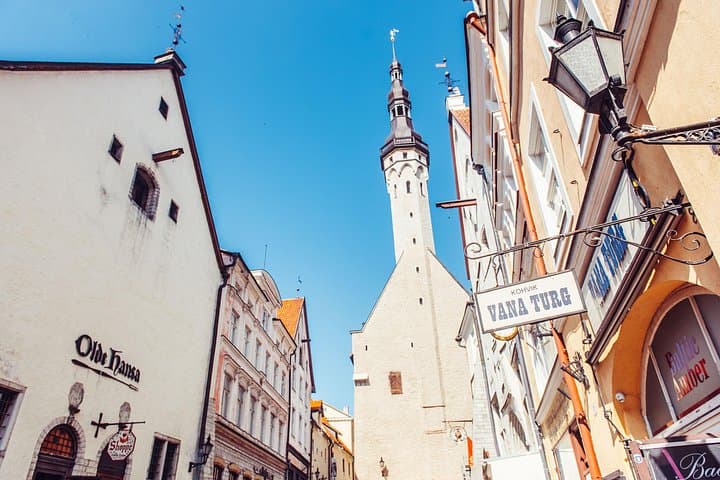


Morning light finds the coach pulling out of Riga, the city’s Art Nouveau façades sliding past as the Baltic coast and pine forests come into view. Over eleven days the itinerary alternates bright, walkable capitals with quiet, wild edges: seaside Pärnu, Lahemaa’s manor-dotted forests, Aukštaitija’s mirror lakes and Jurmala’s long dunes. The rhythm is deliberate — museum mornings, country walks, manor-house evenings — so travelers feel both the cities’ layered histories and the steady patience of northern landscapes.
Morning light finds the coach pulling out of Riga, the city’s Art Nouveau façades sliding past as the Baltic coast and pine forests come into view. Over eleven days the itinerary alternates bright, walkable capitals with quiet, wild edges: seaside Pärnu, Lahemaa’s manor-dotted forests, Aukštaitija’s mirror lakes and Jurmala’s long dunes. The rhythm is deliberate — museum mornings, country walks, manor-house evenings — so travelers feel both the cities’ layered histories and the steady patience of northern landscapes.
Historically the route traces Hanseatic trade routes, later overlaid by imperial and Soviet eras visible in fortresses, churches and public squares. Geologically the region is young and glacial: sandy coasts, drumlin hills and kettle lakes left by retreating ice shape the parks. Culturally, Estonian, Latvian and Lithuanian towns preserve distinct languages and folk crafts — from Latgalian ceramics to Lithuanian wooden churches.
Practical guidance: pack for variable weather and daily walking; most town tours are 2–4 hours on cobbles and park trails, with one light nature walk in Aukštaitija. Transfers are by first-class coach; expect hotel stays in 3–4 star central properties and breakfasts included. Bring a compact daypack, waterproof layer and comfortable shoes with good tread for dune sand and manor paths. Timing your trip in late spring or early autumn reduces crowds and gives brisk, clear days for photography. Stay hydrated, carry local currency for small purchases at markets, and allow free afternoons in Tartu or Vilnius to explore at your own pace.