THE ADVENTURE COLLECTIVE® · Independent discovery and booking for outdoor travel

An 11-day small-group route that pairs China’s imperial history with an iconic Yangtze River cruise. Experience Beijing, Xi’an’s Terracotta Army, the Three Gorges, and Shanghai’s skyline with guided logistics and included transport.
An 11-day small-group route that pairs China’s imperial history with an iconic Yangtze River cruise. Experience Beijing, Xi’an’s Terracotta Army, the Three Gorges, and Shanghai’s skyline with guided logistics and included transport.
You step out of Beijing Capital into cool, ordered air—the city’s wide avenues hum with traffic while the scent of roasted duck drifts from a nearby courtyard. Over eleven days this tour moves from imperial courtyards to underground terracotta warriors, then downriver through the yawning cuts of the Yangtze before the neon sweep of Shanghai's Bund ushers you home.
Verified experiences and guided adventures in the surrounding area.
Operated by Travel China Guide · Beijing, Beijing
You step out of Beijing Capital into cool, ordered air—the city’s wide avenues hum with traffic while the scent of roasted duck drifts from a nearby courtyard. Over eleven days this tour moves from imperial courtyards to underground terracotta warriors, then downriver through the yawning cuts of the Yangtze before the neon sweep of Shanghai's Bund ushers you home.
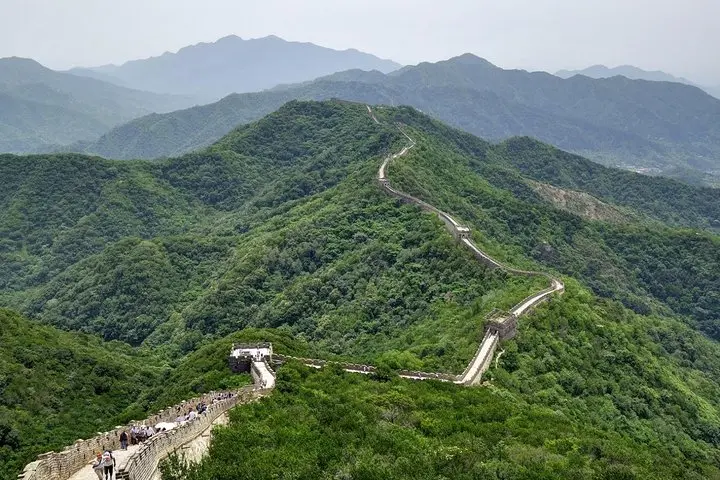
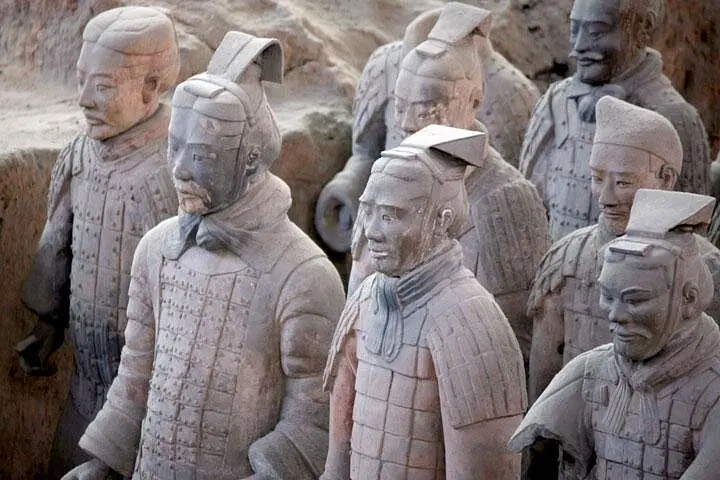
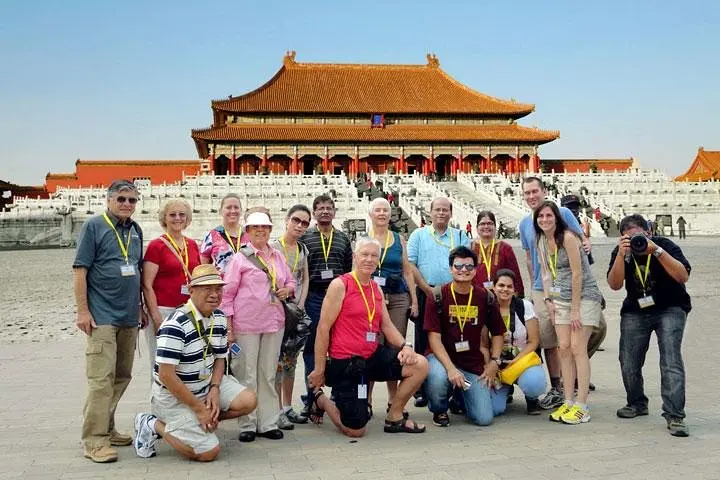
The itinerary threads major historical chapters: Beijing’s Ming and Qing-era palaces and the stone backbone of the Great Wall at Mutianyu; Xi’an’s Tang-era relics and the Terracotta Army tied to the Silk Road; the modern, industrial scale of the Three Gorges Dam; and Shanghai’s colonial-era waterfront and contemporary museums. Geologically the Yangtze carved deep gorges through sandstone and shale—Qutang, Wu and Xiling—creating dramatic cliffs that a cruise reveals best from deck as river currents push the ship through narrows.
Culturally expect guided museum walks, a Tang dynasty music-and-dance evening (seasonal), local meals including Peking roast duck and a dumpling dinner in Xi’an, and interactions in Hutong alleys. Logistics are straightforward: high‑speed trains connect Beijing–Xi’an–Shanghai, and the cruise provides cabin accommodation and daily meals.
Practical guidance: bring comfortable walking shoes for uneven stone steps, a compact daypack, photocopies of your passport, and a light rain layer—weather varies across regions. Pace the trip: early starts and several transfers mean resting between major excursions will preserve energy. Finally, respect local sites—follow posted routes at archaeological parks and keep noise low on the Yangtze deck to better enjoy the landscape.
Most nationalities require a Chinese visa obtained before travel; check current entry rules with your embassy as policies can change.
The tour is suitable for travelers in generally good health: there are museum walks, stairs (Great Wall, pagodas), and multiple transfer days, but no technical hiking or climbing.
Accommodations are quoted based on twin-sharing; single rooms or single‑cabin supplements are usually available for an extra fee—confirm at booking.
Yes—there are scheduled onshore excursions plus deck and evening free time on the Yangtze; city days include short windows for independent exploration.
Travel China Guide operates guided outdoor trips and adventures with an emphasis on safety, stewardship, and memorable experiences.
You step out of Beijing Capital into cool, ordered air—the city’s wide avenues hum with traffic while the scent of roasted duck drifts from a nearby courtyard. Over eleven days this tour moves from imperial courtyards to underground terracotta warriors, then downriver through the yawning cuts of the Yangtze before the neon sweep of Shanghai's Bund ushers you home.
You step out of Beijing Capital into cool, ordered air—the city’s wide avenues hum with traffic while the scent of roasted duck drifts from a nearby courtyard. Over eleven days this tour moves from imperial courtyards to underground terracotta warriors, then downriver through the yawning cuts of the Yangtze before the neon sweep of Shanghai's Bund ushers you home.
The itinerary threads major historical chapters: Beijing’s Ming and Qing-era palaces and the stone backbone of the Great Wall at Mutianyu; Xi’an’s Tang-era relics and the Terracotta Army tied to the Silk Road; the modern, industrial scale of the Three Gorges Dam; and Shanghai’s colonial-era waterfront and contemporary museums. Geologically the Yangtze carved deep gorges through sandstone and shale—Qutang, Wu and Xiling—creating dramatic cliffs that a cruise reveals best from deck as river currents push the ship through narrows.
Culturally expect guided museum walks, a Tang dynasty music-and-dance evening (seasonal), local meals including Peking roast duck and a dumpling dinner in Xi’an, and interactions in Hutong alleys. Logistics are straightforward: high‑speed trains connect Beijing–Xi’an–Shanghai, and the cruise provides cabin accommodation and daily meals.
Practical guidance: bring comfortable walking shoes for uneven stone steps, a compact daypack, photocopies of your passport, and a light rain layer—weather varies across regions. Pace the trip: early starts and several transfers mean resting between major excursions will preserve energy. Finally, respect local sites—follow posted routes at archaeological parks and keep noise low on the Yangtze deck to better enjoy the landscape.