THE ADVENTURE COLLECTIVE® · Independent discovery and booking for outdoor travel

Move from the Great Wall’s ramparts to Xi'an’s Terracotta Army, meet Chengdu’s pandas, and finish with a Huangpu River cruise in Shanghai. This small-group 11-day itinerary balances major cultural sites with practical travel logistics for a compact, accessible China introduction.
Move from the Great Wall’s ramparts to Xi'an’s Terracotta Army, meet Chengdu’s pandas, and finish with a Huangpu River cruise in Shanghai. This small-group 11-day itinerary balances major cultural sites with practical travel logistics for a compact, accessible China introduction.
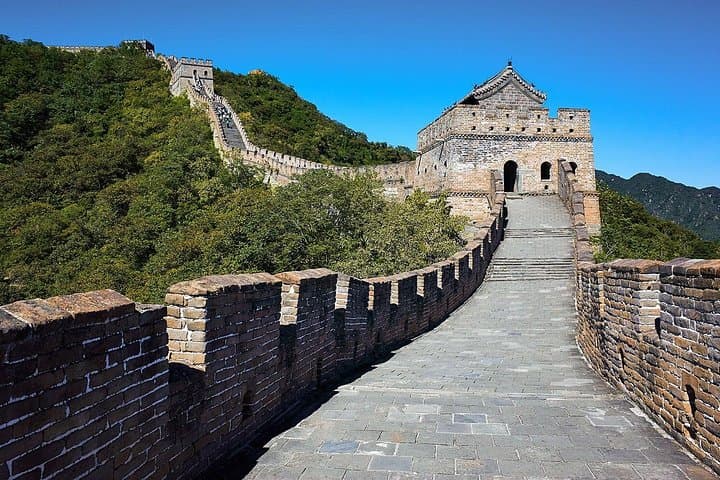
Dawn settles over a wind-scoured tower on the Mutianyu section of the Great Wall as your group pulls into the parking lot. Stone underfoot cools from the night; the wall itself seems to pull you forward, a centuries-old line that dared borders and emperors alike. Over eleven days you move from Beijing's vast squares and imperial halls to Xi'an’s earthen warriors, through Sichuan's bamboo-fed sanctuaries, and finally into Shanghai's waterfront pulse.
Verified experiences and guided adventures in the surrounding area.
Operated by Travel China Guide · Beijing, Beijing
Dawn settles over a wind-scoured tower on the Mutianyu section of the Great Wall as your group pulls into the parking lot. Stone underfoot cools from the night; the wall itself seems to pull you forward, a centuries-old line that dared borders and emperors alike. Over eleven days you move from Beijing's vast squares and imperial halls to Xi'an’s earthen warriors, through Sichuan's bamboo-fed sanctuaries, and finally into Shanghai's waterfront pulse.
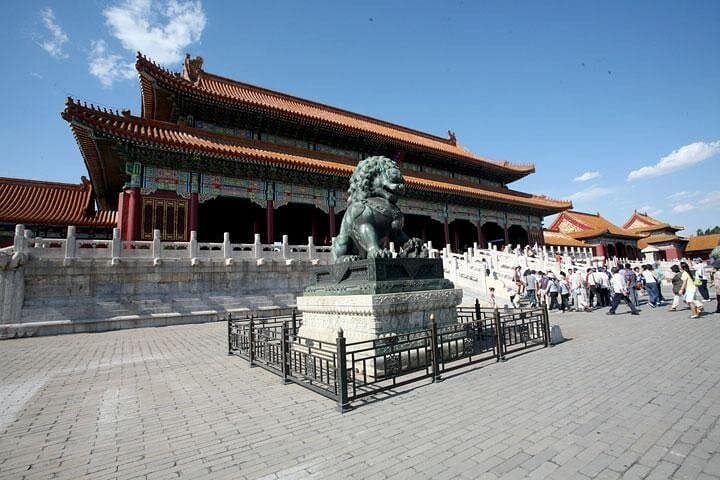
This route threads major chapters of Chinese history: the imperial rituals of the Forbidden City and Temple of Heaven, Xi'an’s place as the Silk Road terminus with the Terracotta Army guarding an early empire, and Chengdu's millennia of river-culture that produced Sichuan cuisine and modern panda conservation science. Geologically the landscapes shift quickly — northern loess plains flanking ancient capital sites, then the humid low hills and rivers that sustain bamboo for pandas, and the estuarine grit of the Huangpu that shaped Shanghai’s rise.
Expect structured days with included admissions, high-speed train legs, and short guided walks: Mutianyu offers cable-car access and brief stair climbs; Xi'an includes flat urban walls and optional bike rental; Chengdu visits are low-impact but require early starts for panda activity; Shanghai mixes museum time with a one-hour Huangpu River cruise.
Practical guidance: travel light with a daypack, pace hydration in summer heat, and keep passport and train/flight e-tickets handy. Wear broken-in walking shoes for cobbled hutongs and wall steps, and bring a flexible jacket — weather can shift between cities. Respect protected areas—observe pandas quietly and stay on marked paths to protect archaeological sites.
Yes—most site admission fees are included along with breakfasts and several lunches/dinners specified in the itinerary; check the daily breakdown for exact meals provided.
Yes, the tour arranges the round-trip cable car at Mutianyu so you can avoid the steepest ascents if preferred.
A valid passport is required at booking and travel; visas depend on your nationality—obtain the appropriate Chinese visa before departure.
Each city includes guided highlights and some free time—typically an afternoon or evening for independent exploration in larger cities like Chengdu and Shanghai.
Travel China Guide operates guided outdoor trips and adventures with an emphasis on safety, stewardship, and memorable experiences.

Dawn settles over a wind-scoured tower on the Mutianyu section of the Great Wall as your group pulls into the parking lot. Stone underfoot cools from the night; the wall itself seems to pull you forward, a centuries-old line that dared borders and emperors alike. Over eleven days you move from Beijing's vast squares and imperial halls to Xi'an’s earthen warriors, through Sichuan's bamboo-fed sanctuaries, and finally into Shanghai's waterfront pulse.
Dawn settles over a wind-scoured tower on the Mutianyu section of the Great Wall as your group pulls into the parking lot. Stone underfoot cools from the night; the wall itself seems to pull you forward, a centuries-old line that dared borders and emperors alike. Over eleven days you move from Beijing's vast squares and imperial halls to Xi'an’s earthen warriors, through Sichuan's bamboo-fed sanctuaries, and finally into Shanghai's waterfront pulse.
This route threads major chapters of Chinese history: the imperial rituals of the Forbidden City and Temple of Heaven, Xi'an’s place as the Silk Road terminus with the Terracotta Army guarding an early empire, and Chengdu's millennia of river-culture that produced Sichuan cuisine and modern panda conservation science. Geologically the landscapes shift quickly — northern loess plains flanking ancient capital sites, then the humid low hills and rivers that sustain bamboo for pandas, and the estuarine grit of the Huangpu that shaped Shanghai’s rise.
Expect structured days with included admissions, high-speed train legs, and short guided walks: Mutianyu offers cable-car access and brief stair climbs; Xi'an includes flat urban walls and optional bike rental; Chengdu visits are low-impact but require early starts for panda activity; Shanghai mixes museum time with a one-hour Huangpu River cruise.
Practical guidance: travel light with a daypack, pace hydration in summer heat, and keep passport and train/flight e-tickets handy. Wear broken-in walking shoes for cobbled hutongs and wall steps, and bring a flexible jacket — weather can shift between cities. Respect protected areas—observe pandas quietly and stay on marked paths to protect archaeological sites.