THE ADVENTURE COLLECTIVE® · Independent discovery and booking for outdoor travel

Trace the arc of Khmer history across temples, rivers and small towns on this 11-day cultural tour. From Angkor Wat at sunrise to the bat clouds of Battambang, expect long days, uneven stone, and vivid local encounters.
Trace the arc of Khmer history across temples, rivers and small towns on this 11-day cultural tour. From Angkor Wat at sunrise to the bat clouds of Battambang, expect long days, uneven stone, and vivid local encounters.
You step from the airport into warm light and the smell of dust and spices—the first of eleven days that will push you through centuries of stone and river. Early mornings begin with the slow hush before sunrise at Angkor Wat, its reflection daring you to raise your camera; afternoons trade temple façades for the rushing pools and shaded trails of Phnom Kulen where water pushes forward over smooth rock.
Verified experiences and guided adventures in the surrounding area.
Operated by Hok Cambodia Journeys · Siem Reap, Siem Reap Province
You step from the airport into warm light and the smell of dust and spices—the first of eleven days that will push you through centuries of stone and river. Early mornings begin with the slow hush before sunrise at Angkor Wat, its reflection daring you to raise your camera; afternoons trade temple façades for the rushing pools and shaded trails of Phnom Kulen where water pushes forward over smooth rock.
This itinerary threads through the arc of Khmer history: pre-Angkorian brick shrines at Sambor Prei Kuk, the soaring mountain sanctuary of Preah Vihear, the Bayon’s dozens of carved faces, and the later grandeur of Angkor Wat. Geology matters here—sandstone and laterite form the skeleton of temples while Tonle Sap’s seasonal pulse has shaped local life for centuries. In cities you’ll meet contemporary Cambodia: bustling markets, silk and banana-paper workshops, and the quiet gravity of memorials in Phnom Penh.
Expect long drives between dispersed sites, uneven stone steps, humid heat, and sudden tropical showers. Guides handle logistics and entrance fees, but come prepared: early starts for sunrise and late afternoons for bat emergences at Battambang. Respect religious sites—cover shoulders and knees, remove hats inside shrines, and follow your guide’s instructions.
Practical edge: travel light, plan for 30–60 minutes of walking at each temple, carry cash for small purchases, and keep water handy. With firm shoes, a sun hat, and a patient pace, this tour balances awe-inspiring architecture with encounters in living communities, letting the landscape and its history lead the way.
This tour description states that all entrance fees and tickets are included, but confirm on booking and carry your passport for ticket checks.
Days involve moderate walking on uneven temple ruins and some short hikes; it’s suitable for most people with basic mobility and stamina.
Yes—visits include Kompong Khleang floating villages, pottery and banana-paper workshops, and Battambang cultural stops to connect with local life.
Carry Cambodian riel or US dollars for small purchases; tipping guides and drivers is customary and appreciated—budget modest daily tips.
Hok Cambodia Journeys operates guided outdoor trips and adventures with an emphasis on safety, stewardship, and memorable experiences.
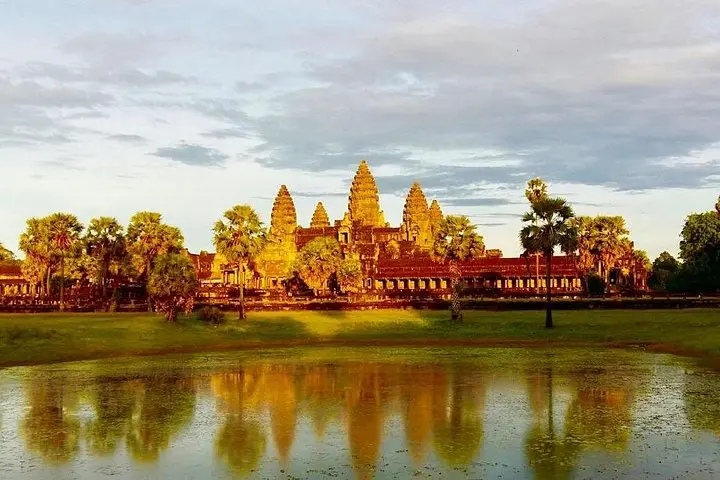
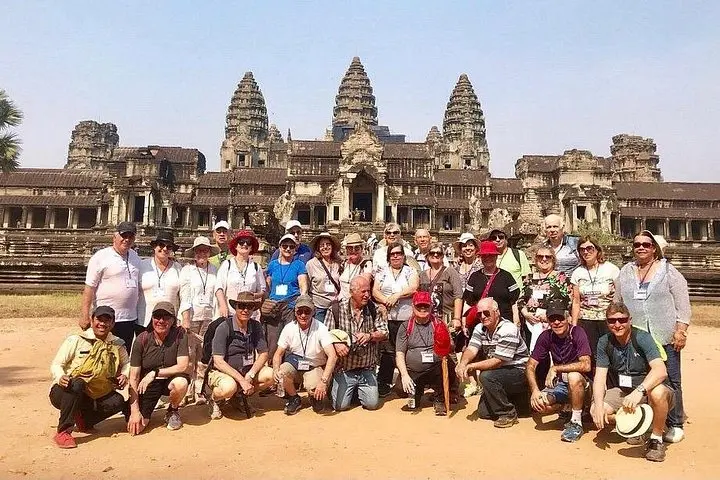
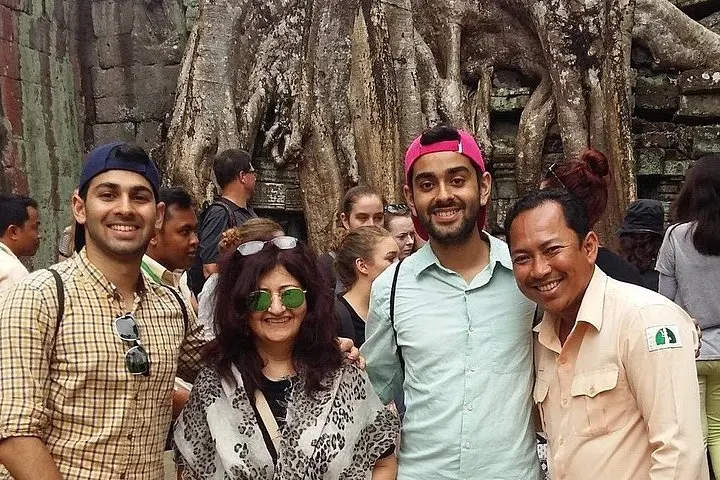
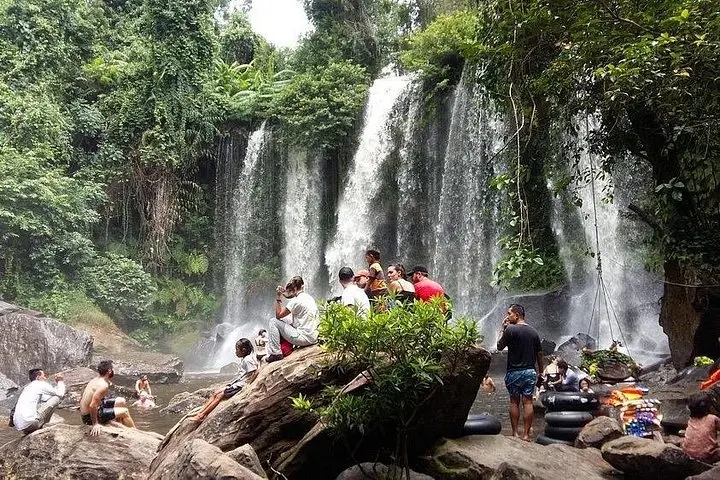
You step from the airport into warm light and the smell of dust and spices—the first of eleven days that will push you through centuries of stone and river. Early mornings begin with the slow hush before sunrise at Angkor Wat, its reflection daring you to raise your camera; afternoons trade temple façades for the rushing pools and shaded trails of Phnom Kulen where water pushes forward over smooth rock.
You step from the airport into warm light and the smell of dust and spices—the first of eleven days that will push you through centuries of stone and river. Early mornings begin with the slow hush before sunrise at Angkor Wat, its reflection daring you to raise your camera; afternoons trade temple façades for the rushing pools and shaded trails of Phnom Kulen where water pushes forward over smooth rock.
This itinerary threads through the arc of Khmer history: pre-Angkorian brick shrines at Sambor Prei Kuk, the soaring mountain sanctuary of Preah Vihear, the Bayon’s dozens of carved faces, and the later grandeur of Angkor Wat. Geology matters here—sandstone and laterite form the skeleton of temples while Tonle Sap’s seasonal pulse has shaped local life for centuries. In cities you’ll meet contemporary Cambodia: bustling markets, silk and banana-paper workshops, and the quiet gravity of memorials in Phnom Penh.
Expect long drives between dispersed sites, uneven stone steps, humid heat, and sudden tropical showers. Guides handle logistics and entrance fees, but come prepared: early starts for sunrise and late afternoons for bat emergences at Battambang. Respect religious sites—cover shoulders and knees, remove hats inside shrines, and follow your guide’s instructions.
Practical edge: travel light, plan for 30–60 minutes of walking at each temple, carry cash for small purchases, and keep water handy. With firm shoes, a sun hat, and a patient pace, this tour balances awe-inspiring architecture with encounters in living communities, letting the landscape and its history lead the way.