THE ADVENTURE COLLECTIVE® · Independent discovery and booking for outdoor travel

See Egypt’s headline sites and quieter shores in one 11-day circuit: Cairo’s pyramids, an Aswan–Luxor Nile cruise, dawn at Abu Simbel and Red Sea snorkeling in Dahab. This multi-mode trip pairs deep history with easy coastal relaxation.
See Egypt’s headline sites and quieter shores in one 11-day circuit: Cairo’s pyramids, an Aswan–Luxor Nile cruise, dawn at Abu Simbel and Red Sea snorkeling in Dahab. This multi-mode trip pairs deep history with easy coastal relaxation.
You arrive in Cairo to the dry, warm air and the low hum of traffic, then the city opens into ancient stone: pyramids rising from city haze, the Sphinx watching the modern world. Over the next 11 days you move from the urban pulse to the slow rhythm of the Nile, trading highways for felucca-scented decks and, finally, the clear blue of the Red Sea.
Verified experiences and guided adventures in the surrounding area.
Operated by Special trips · Cairo, Cairo Governorate
You arrive in Cairo to the dry, warm air and the low hum of traffic, then the city opens into ancient stone: pyramids rising from city haze, the Sphinx watching the modern world. Over the next 11 days you move from the urban pulse to the slow rhythm of the Nile, trading highways for felucca-scented decks and, finally, the clear blue of the Red Sea.
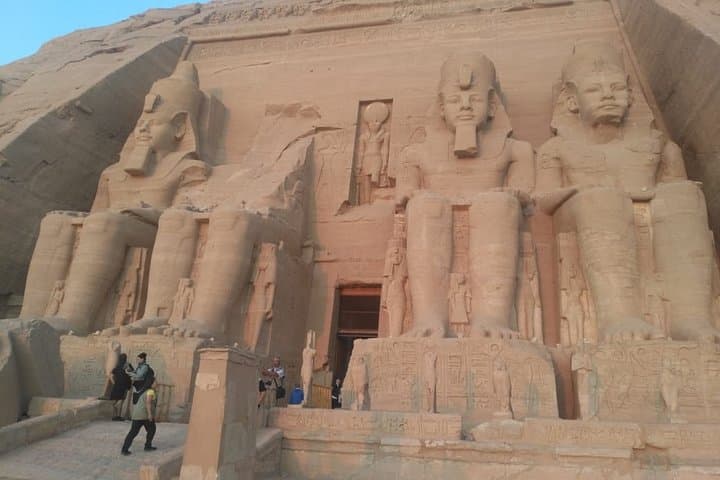
This route stitches together millennia—Old Kingdom pyramids and valley-tombs of the New Kingdom—set on layered geology where the Nile carved a fertile ribbon through the Eastern Desert. Nubian villages near Aswan carry living traditions of craft and music; Luxor’s temples are brick-and-stone pages of pharaonic ritual. At Abu Simbel the colossal statues are a lesson in empire and modern preservation, relocated after mid-20th century dam works.
Expect long transfers (night train Cairo→Aswan, overnight buses), multiple guided temple walks with stairs and narrow passageways, and roughly 200–250 km of river sailing between Aswan and Luxor. Dahab adds reef swimming and sheltered bays where colorful fish and occasional sea turtles circle coral gardens.
Practical edge: travel light but bring sun protection, comfortable closed-toe shoes for temple stairs and sand, and reef-safe sunscreen for snorkeling. Mornings are best for photography and cooler temple visits; late afternoons suit a felucca cruise or a shoreline walk. Carry local currency for tips and small purchases, keep passport copies handy, and plan rest days—this itinerary balances intense cultural immersion with downtime by the water.
Many nationalities require a visa; check Egypt’s official visa rules before travel and confirm whether you can obtain a visa on arrival or need one in advance.
Expect moderate walking and stair climbs at temples and tombs—comfortable shoes and a steady pace suit most travelers; vehicles cover long transfers.
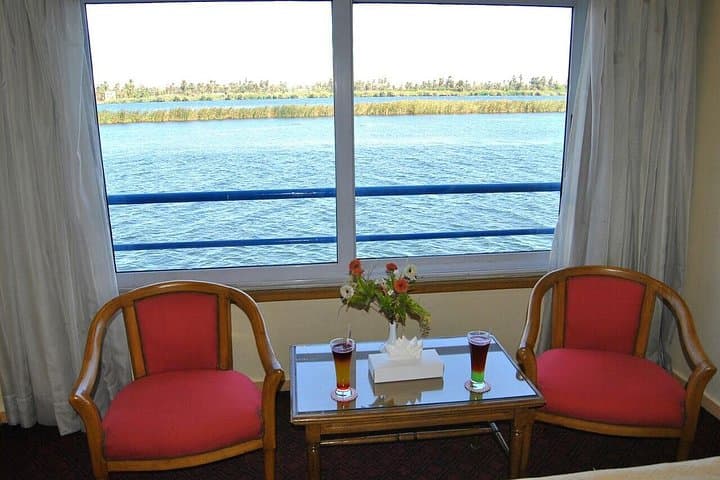
Yes, the itinerary includes a multi-night Nile cruise with standard cabins; cabins typically have en-suite facilities and basic comforts—confirm class and deck on booking.
Most breakfasts and meals on the cruise are included per the itinerary; local transport and evening meals in cities are often covered but check specifics for optional extras and drinks.
Special trips operates guided outdoor trips and adventures with an emphasis on safety, stewardship, and memorable experiences.
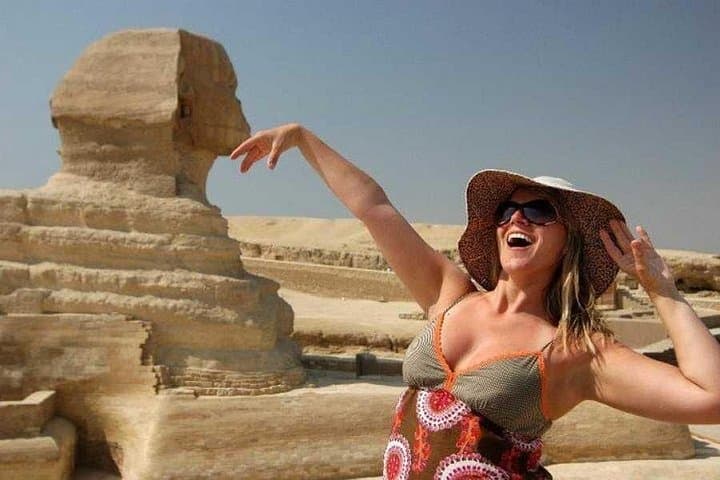
You arrive in Cairo to the dry, warm air and the low hum of traffic, then the city opens into ancient stone: pyramids rising from city haze, the Sphinx watching the modern world. Over the next 11 days you move from the urban pulse to the slow rhythm of the Nile, trading highways for felucca-scented decks and, finally, the clear blue of the Red Sea.
You arrive in Cairo to the dry, warm air and the low hum of traffic, then the city opens into ancient stone: pyramids rising from city haze, the Sphinx watching the modern world. Over the next 11 days you move from the urban pulse to the slow rhythm of the Nile, trading highways for felucca-scented decks and, finally, the clear blue of the Red Sea.
This route stitches together millennia—Old Kingdom pyramids and valley-tombs of the New Kingdom—set on layered geology where the Nile carved a fertile ribbon through the Eastern Desert. Nubian villages near Aswan carry living traditions of craft and music; Luxor’s temples are brick-and-stone pages of pharaonic ritual. At Abu Simbel the colossal statues are a lesson in empire and modern preservation, relocated after mid-20th century dam works.
Expect long transfers (night train Cairo→Aswan, overnight buses), multiple guided temple walks with stairs and narrow passageways, and roughly 200–250 km of river sailing between Aswan and Luxor. Dahab adds reef swimming and sheltered bays where colorful fish and occasional sea turtles circle coral gardens.
Practical edge: travel light but bring sun protection, comfortable closed-toe shoes for temple stairs and sand, and reef-safe sunscreen for snorkeling. Mornings are best for photography and cooler temple visits; late afternoons suit a felucca cruise or a shoreline walk. Carry local currency for tips and small purchases, keep passport copies handy, and plan rest days—this itinerary balances intense cultural immersion with downtime by the water.