THE ADVENTURE COLLECTIVE® · Independent discovery and booking for outdoor travel

An 11-day circuit through Egypt’s most iconic sites: Giza’s pyramids, a four-night Nile cruise with Luxor and Aswan temples, and an excursion to Abu Simbel. This itinerary blends major monuments with domestic flights and deluxe accommodations for a comprehensive cultural journey.
An 11-day circuit through Egypt’s most iconic sites: Giza’s pyramids, a four-night Nile cruise with Luxor and Aswan temples, and an excursion to Abu Simbel. This itinerary blends major monuments with domestic flights and deluxe accommodations for a comprehensive cultural journey.
You step out of Cairo’s airport into dry air that already smells of spice and diesel; minarets puncture the sky and the silhouette of the Pyramids waits beyond the city’s heat haze.
Verified experiences and guided adventures in the surrounding area.
Operated by Look at Egypt Tours · Cairo, Cairo
You step out of Cairo’s airport into dry air that already smells of spice and diesel; minarets puncture the sky and the silhouette of the Pyramids waits beyond the city’s heat haze.
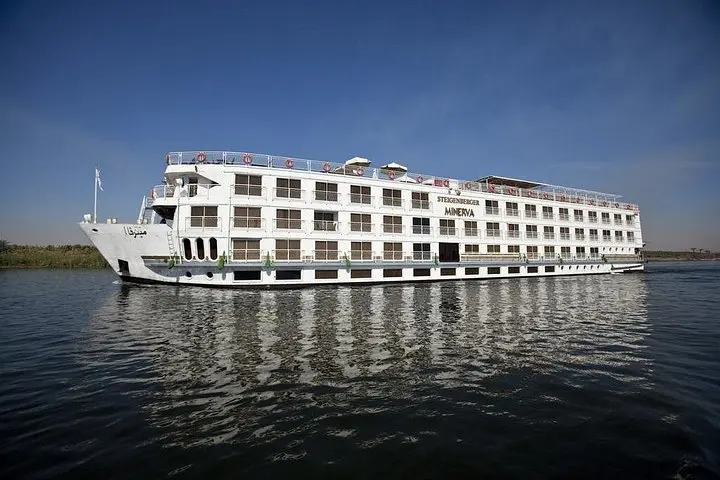
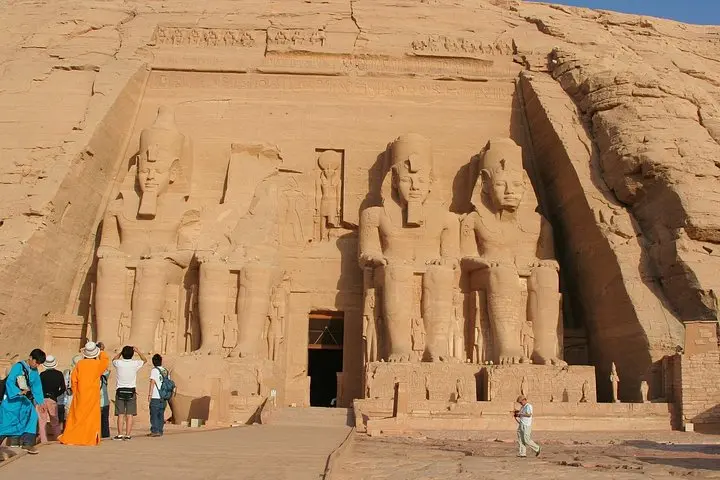
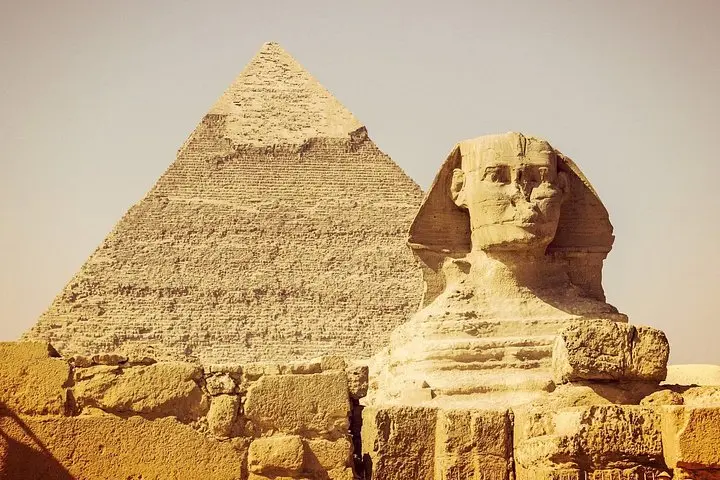
Over eleven days this itinerary threads the Nile valley from the Giza Plateau to Abu Simbel, alternating museum halls and temple façades with slow river afternoons aboard a deluxe Nile cruise. The Giza pyramids and Great Sphinx anchor the opening days—stone monuments of Old Kingdom ambition—while Saqqara’s Step Pyramid and Memphis’s fallen colossi show the experiments that preceded pyramid-building. In Upper Egypt, Luxor’s Karnak and the Valley of the Kings speak to New Kingdom power; Kom Ombo and Edfu reveal Ptolemaic temple design, and Abu Simbel’s reassembled façades illustrate mid-20th-century heritage engineering.
Geology here is plain: wind-polished sandstone and limestone cliffs frame sun-stunned desert; the Nile is the active engine, its annual flood once renewing the soil and now irrigating a narrow green belt. Culturally, expect layered Islamic, Coptic and Pharaonic sites, bustling bazaars and long-standing Nubian traditions near Aswan.
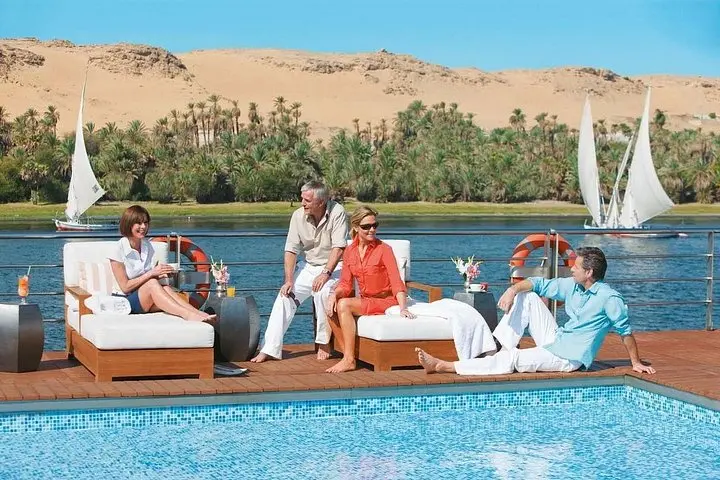
Practical guidance: travel light for transfers and temples—you’ll climb stone ramps and negotiate uneven steps. Carry a reusable water bottle, a sun hat and breathable layers for cool evenings on deck. Plan museum visits earlier in the day to avoid heat and crowds and allow time for domestic flights. Respect photography rules in tombs and the rotation of open tombs at the Valley of the Kings—some are closed for conservation. With basic mobility you can enjoy this route, but expect long travel days and repeated entry queues.
Yes—this itinerary includes domestic flights between Cairo, Luxor and Aswan as listed in the inclusions.
Many transfers and vehicles are wheelchair accessible, but some archaeological sites have uneven ground and stairs; check specific mobility needs with the operator in advance.
Visitors often obtain visas on arrival in Cairo depending on nationality, and the tour operator offers assistance with visas and optional fast-track services at the airport.
Abu Simbel is a well-managed UNESCO-backed site accessible by road or flight; follow guides’ instructions and local advisories—security controls are routine at major tourist sites.
Look at Egypt Tours operates guided outdoor trips and adventures with an emphasis on safety, stewardship, and memorable experiences.
You step out of Cairo’s airport into dry air that already smells of spice and diesel; minarets puncture the sky and the silhouette of the Pyramids waits beyond the city’s heat haze.
You step out of Cairo’s airport into dry air that already smells of spice and diesel; minarets puncture the sky and the silhouette of the Pyramids waits beyond the city’s heat haze.
Over eleven days this itinerary threads the Nile valley from the Giza Plateau to Abu Simbel, alternating museum halls and temple façades with slow river afternoons aboard a deluxe Nile cruise. The Giza pyramids and Great Sphinx anchor the opening days—stone monuments of Old Kingdom ambition—while Saqqara’s Step Pyramid and Memphis’s fallen colossi show the experiments that preceded pyramid-building. In Upper Egypt, Luxor’s Karnak and the Valley of the Kings speak to New Kingdom power; Kom Ombo and Edfu reveal Ptolemaic temple design, and Abu Simbel’s reassembled façades illustrate mid-20th-century heritage engineering.
Geology here is plain: wind-polished sandstone and limestone cliffs frame sun-stunned desert; the Nile is the active engine, its annual flood once renewing the soil and now irrigating a narrow green belt. Culturally, expect layered Islamic, Coptic and Pharaonic sites, bustling bazaars and long-standing Nubian traditions near Aswan.
Practical guidance: travel light for transfers and temples—you’ll climb stone ramps and negotiate uneven steps. Carry a reusable water bottle, a sun hat and breathable layers for cool evenings on deck. Plan museum visits earlier in the day to avoid heat and crowds and allow time for domestic flights. Respect photography rules in tombs and the rotation of open tombs at the Valley of the Kings—some are closed for conservation. With basic mobility you can enjoy this route, but expect long travel days and repeated entry queues.