THE ADVENTURE COLLECTIVE® · Independent discovery and booking for outdoor travel

Traverse Morocco in 11 days: imperial cities, Atlas passes and a night in the Sahara. This small-group route balances cultural immersion with hands-on outdoor moments—medina walks, mountain drives and a dune camp under the stars.
Traverse Morocco in 11 days: imperial cities, Atlas passes and a night in the Sahara. This small-group route balances cultural immersion with hands-on outdoor moments—medina walks, mountain drives and a dune camp under the stars.
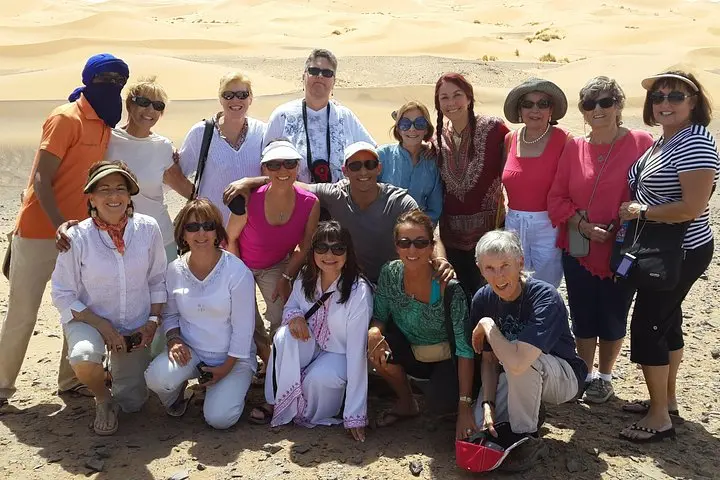
The caravan of small-group travelers moves off the tarmac and into a country of sharp light and layered landscapes. In the first hours the Atlantic shore gives way to whitewashed medinas, then the High Atlas rises and the road narrows—by the time the dunes of Erg Chebbi loom, the desert has already rewritten the day's rhythm.
Verified experiences and guided adventures in the surrounding area.
Operated by Morocco Tours & Discoveries, Inc. · Casablanca, Casablanca-Settat
The caravan of small-group travelers moves off the tarmac and into a country of sharp light and layered landscapes. In the first hours the Atlantic shore gives way to whitewashed medinas, then the High Atlas rises and the road narrows—by the time the dunes of Erg Chebbi loom, the desert has already rewritten the day's rhythm.
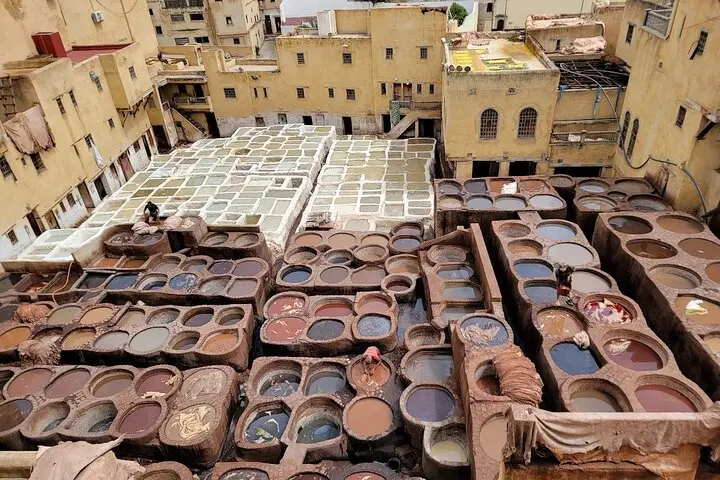
This route threads Roman ruins at Volubilis, imperial Fez with its medieval university, and the fortified ksar of Ait Ben Haddou—sites that mark Morocco's role as a crossroads of trade and empire. Geologically the journey traces limestone valleys, cedar-clad plateaus of the Middle Atlas and the wind-sculpted sand fields of the Sahara, each landscape shaped by water, tectonics and centuries of human settlement.
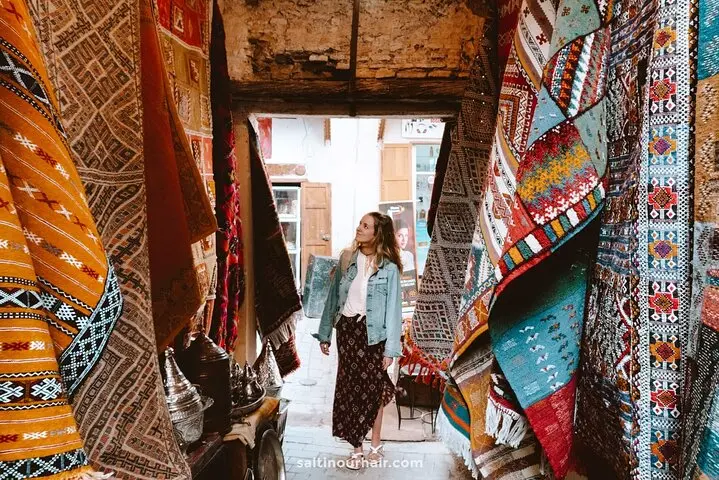
Culturally the tour moves through Berber villages and lively souks where artisans still fire pottery and press argan; guides interpret local customs, architecture and recipes so travelers see process as well as product. Nights alternate between boutique riads and a desert bivouac under clear, low-lying stars—an exercise in contrast between curated hospitality and elemental sleeping.
Practical guidance: pack layered clothing for 10–25°C swings, bring a daypack for medina walks and a headlamp for camp life. Expect mostly paved transfers with short guided walks and a camel-led dune approach; the most demanding day is the Atlas crossing at Tizi n'Tichka. Hydrate in dry zones, carry cash for small purchases in villages, and allow time for slower roads—scenery often arrives between stops, not just at them.
Daily activity consists of short guided walks in medinas and natural sites plus a camel-led approach to the dunes; no technical hiking required.
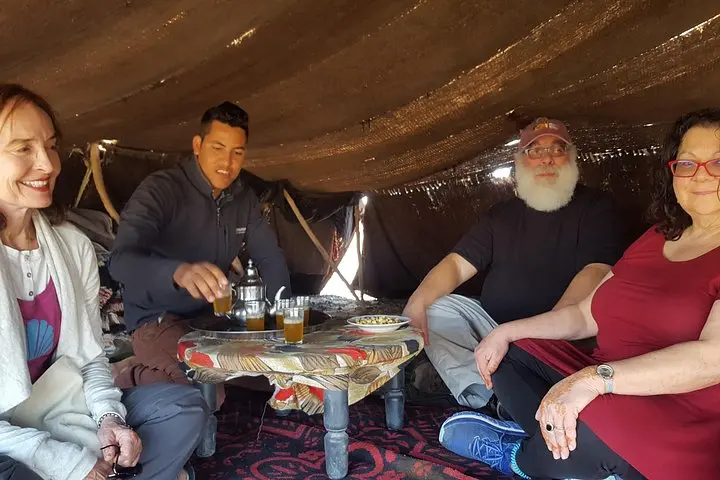
Camps offer traditional tents with basic bedding and communal facilities; expect simple comforts, cultural music, and clear night skies.
The itinerary starts with a transfer from Casablanca airport to Rabat; confirm pickup details and flight info when booking.
Yes—scheduled departures are offered and private customizable options are available on request to fit dates or pacing.
Morocco Tours & Discoveries, Inc. operates guided outdoor trips and adventures with an emphasis on safety, stewardship, and memorable experiences.
The caravan of small-group travelers moves off the tarmac and into a country of sharp light and layered landscapes. In the first hours the Atlantic shore gives way to whitewashed medinas, then the High Atlas rises and the road narrows—by the time the dunes of Erg Chebbi loom, the desert has already rewritten the day's rhythm.
The caravan of small-group travelers moves off the tarmac and into a country of sharp light and layered landscapes. In the first hours the Atlantic shore gives way to whitewashed medinas, then the High Atlas rises and the road narrows—by the time the dunes of Erg Chebbi loom, the desert has already rewritten the day's rhythm.
This route threads Roman ruins at Volubilis, imperial Fez with its medieval university, and the fortified ksar of Ait Ben Haddou—sites that mark Morocco's role as a crossroads of trade and empire. Geologically the journey traces limestone valleys, cedar-clad plateaus of the Middle Atlas and the wind-sculpted sand fields of the Sahara, each landscape shaped by water, tectonics and centuries of human settlement.
Culturally the tour moves through Berber villages and lively souks where artisans still fire pottery and press argan; guides interpret local customs, architecture and recipes so travelers see process as well as product. Nights alternate between boutique riads and a desert bivouac under clear, low-lying stars—an exercise in contrast between curated hospitality and elemental sleeping.
Practical guidance: pack layered clothing for 10–25°C swings, bring a daypack for medina walks and a headlamp for camp life. Expect mostly paved transfers with short guided walks and a camel-led dune approach; the most demanding day is the Atlas crossing at Tizi n'Tichka. Hydrate in dry zones, carry cash for small purchases in villages, and allow time for slower roads—scenery often arrives between stops, not just at them.