THE ADVENTURE COLLECTIVE® · Independent discovery and booking for outdoor travel

An 11-day loop from Casablanca through imperial cities, cedar forests and the Erg Chebbi dunes. Expect cultural medina walks, long scenic drives over the High Atlas, and a two-night desert experience with camel trekking and a Berber campfire.
An 11-day loop from Casablanca through imperial cities, cedar forests and the Erg Chebbi dunes. Expect cultural medina walks, long scenic drives over the High Atlas, and a two-night desert experience with camel trekking and a Berber campfire.
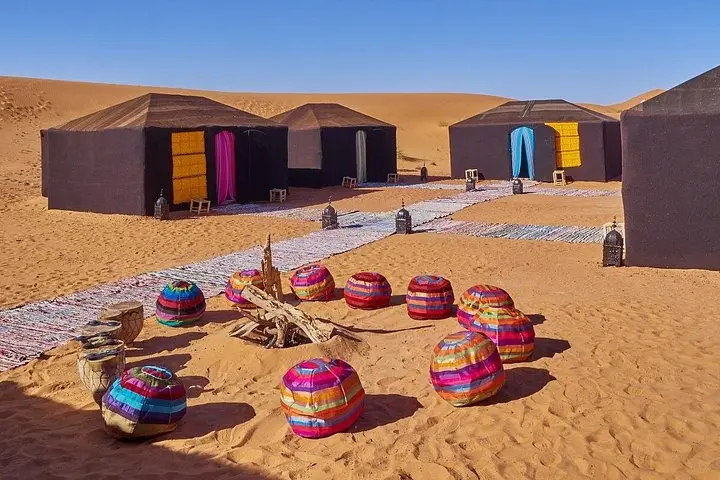
You step from Casablanca’s airport into dry, warm air and a driver who folds the city into the rearview as dust-colored hills begin to rise. Over eleven days the landscape changes like a book’s chapters: Atlantic coast, blue alleys of Chefchaouen, the winding medina lanes of Fes, cedar forests with curious macaques, the High Atlas spine, then the wide, rolling sea of Erg Chebbi where camels climb dunes toward a sunset that erases the horizon.
Verified experiences and guided adventures in the surrounding area.
Operated by Tilila Travel · Casablanca, Casablanca-Settat
You step from Casablanca’s airport into dry, warm air and a driver who folds the city into the rearview as dust-colored hills begin to rise. Over eleven days the landscape changes like a book’s chapters: Atlantic coast, blue alleys of Chefchaouen, the winding medina lanes of Fes, cedar forests with curious macaques, the High Atlas spine, then the wide, rolling sea of Erg Chebbi where camels climb dunes toward a sunset that erases the horizon.
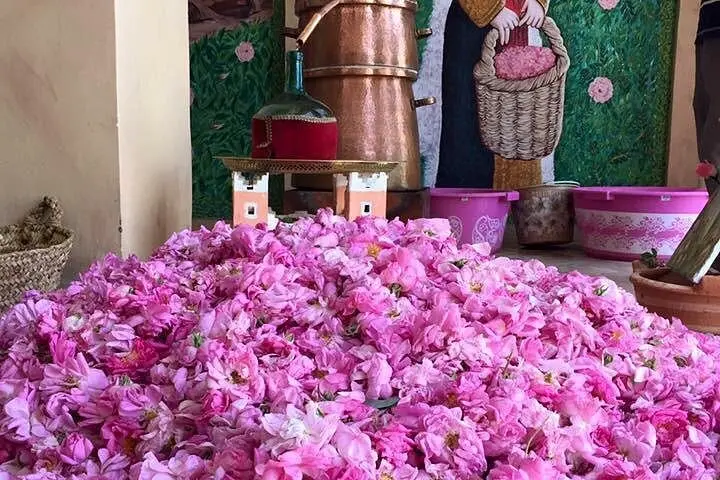
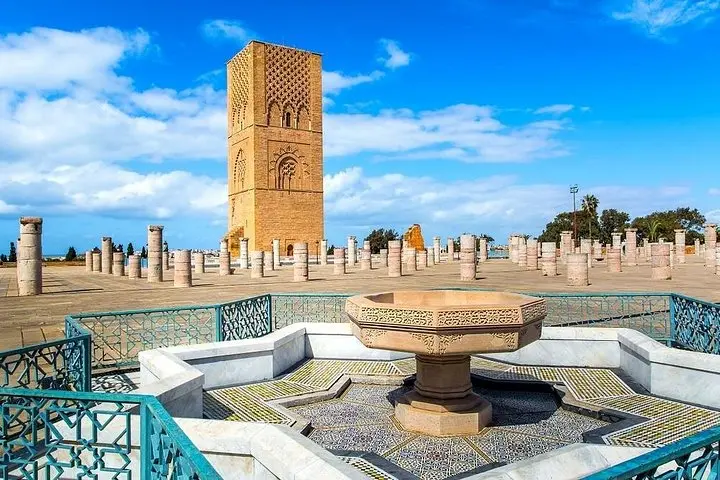
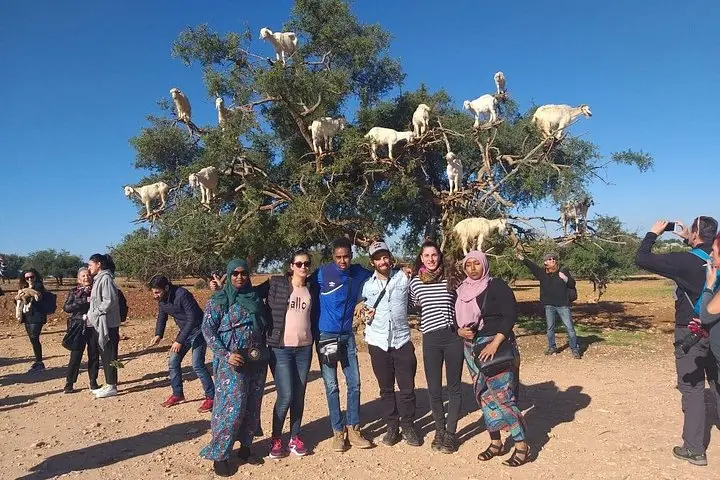
This route threads Morocco’s history — Roman roads and medieval caravan routes reworked into kasbahs and imperial palaces — and its geology: limestone gorges, volcanic-tinged high passes (Tizi n’Tichka, ~2,260 m), and wind-sculpted sand seas whose highest dunes can reach about 250 m. Culture is tactile: tile workshops, argan cooperatives run by Berber women, and nights in a Berber camp where local strings and songs puncture the desert quiet.
Practically, expect long but scenic drives (several 4–8 hour transfers), short guided city walks, and a two-way camel trek to the desert camp with sunrise and sunset on the dunes. Accommodation alternates riads, guesthouses, and a desert tent. Bring layered clothing for large diurnal swings, sun protection for exposed dunes, a daypack for walking medina alleys, and modest attire for conservative sites.
Plan travel days around daylight for best views, allow extra time for photography stops on the “road of a thousand kasbahs,” and be ready to trade city rhythm for the patient, slow pace of desert nights.
No prior experience required — guides give basic instructions; rides are typically slow-paced and suitable for most adults.
Yes — the tour includes 10 nights of accommodation and most breakfasts plus two dinners (including the Berber camp). Confirm specifics at booking.
The itinerary lists restrictions: infants and small children can travel but the desert portion and long drives may be uncomfortable; pregnant travelers and those with serious back or heart conditions are not recommended.
The itinerary includes full days in Marrakech and Chefchaouen for self-guided exploration, with guided city tours in Fes and Marrakech on scheduled days.
Tilila Travel operates guided outdoor trips and adventures with an emphasis on safety, stewardship, and memorable experiences.
You step from Casablanca’s airport into dry, warm air and a driver who folds the city into the rearview as dust-colored hills begin to rise. Over eleven days the landscape changes like a book’s chapters: Atlantic coast, blue alleys of Chefchaouen, the winding medina lanes of Fes, cedar forests with curious macaques, the High Atlas spine, then the wide, rolling sea of Erg Chebbi where camels climb dunes toward a sunset that erases the horizon.
You step from Casablanca’s airport into dry, warm air and a driver who folds the city into the rearview as dust-colored hills begin to rise. Over eleven days the landscape changes like a book’s chapters: Atlantic coast, blue alleys of Chefchaouen, the winding medina lanes of Fes, cedar forests with curious macaques, the High Atlas spine, then the wide, rolling sea of Erg Chebbi where camels climb dunes toward a sunset that erases the horizon.
This route threads Morocco’s history — Roman roads and medieval caravan routes reworked into kasbahs and imperial palaces — and its geology: limestone gorges, volcanic-tinged high passes (Tizi n’Tichka, ~2,260 m), and wind-sculpted sand seas whose highest dunes can reach about 250 m. Culture is tactile: tile workshops, argan cooperatives run by Berber women, and nights in a Berber camp where local strings and songs puncture the desert quiet.
Practically, expect long but scenic drives (several 4–8 hour transfers), short guided city walks, and a two-way camel trek to the desert camp with sunrise and sunset on the dunes. Accommodation alternates riads, guesthouses, and a desert tent. Bring layered clothing for large diurnal swings, sun protection for exposed dunes, a daypack for walking medina alleys, and modest attire for conservative sites.
Plan travel days around daylight for best views, allow extra time for photography stops on the “road of a thousand kasbahs,” and be ready to trade city rhythm for the patient, slow pace of desert nights.