THE ADVENTURE COLLECTIVE® · Independent discovery and booking for outdoor travel

An 11-day small-group loop through Namibia that pairs the Kalahari’s red dunes with the Namib’s iconic Sossusvlei and Etosha’s prolific waterholes. Fully accommodated lodges, community encounters and conservation-focused stops make this a practical introduction to Namibia’s natural and cultural highlights.
An 11-day small-group loop through Namibia that pairs the Kalahari’s red dunes with the Namib’s iconic Sossusvlei and Etosha’s prolific waterholes. Fully accommodated lodges, community encounters and conservation-focused stops make this a practical introduction to Namibia’s natural and cultural highlights.
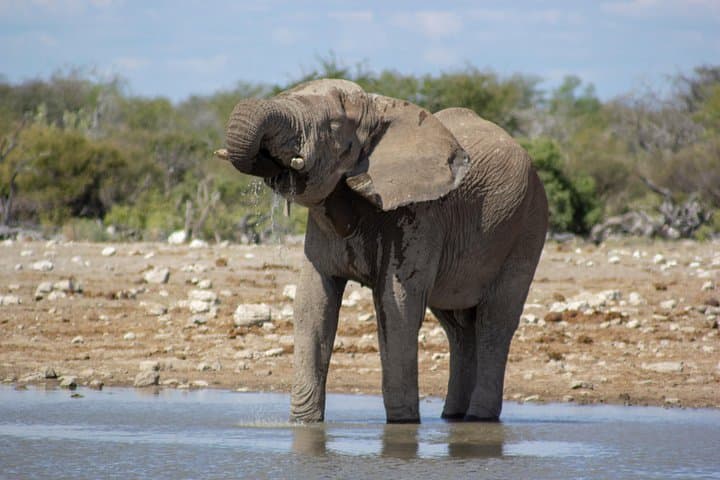
The bus bumps away from Windhoek under a hard blue sky and the city’s altitude — roughly 1,700 m — falls off behind you. Within hours the landscape simplifies: ochre grass, red sand ridges, scattered camelthorn trees that throw long, angular shadows. By late afternoon you’re on a sundowner drive on a small dune plain; oryx graze at a distance and the sky hardens into an impossible cobalt. This is the rhythm of an 11-day loop that trades metropolitan pace for desert light, coastal wind and the wide, watchful silence of Etosha’s waterholes.
Verified experiences and guided adventures in the surrounding area.
Operated by Bluecrane Safaris Namibia · Windhoek, Khomas
The bus bumps away from Windhoek under a hard blue sky and the city’s altitude — roughly 1,700 m — falls off behind you. Within hours the landscape simplifies: ochre grass, red sand ridges, scattered camelthorn trees that throw long, angular shadows. By late afternoon you’re on a sundowner drive on a small dune plain; oryx graze at a distance and the sky hardens into an impossible cobalt. This is the rhythm of an 11-day loop that trades metropolitan pace for desert light, coastal wind and the wide, watchful silence of Etosha’s waterholes.
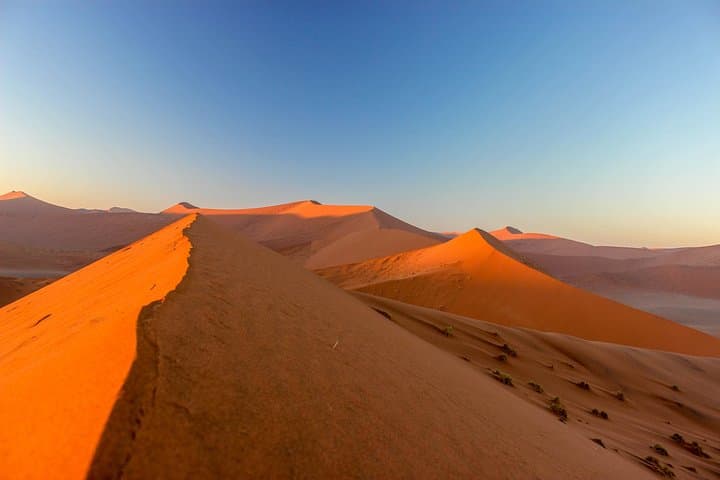
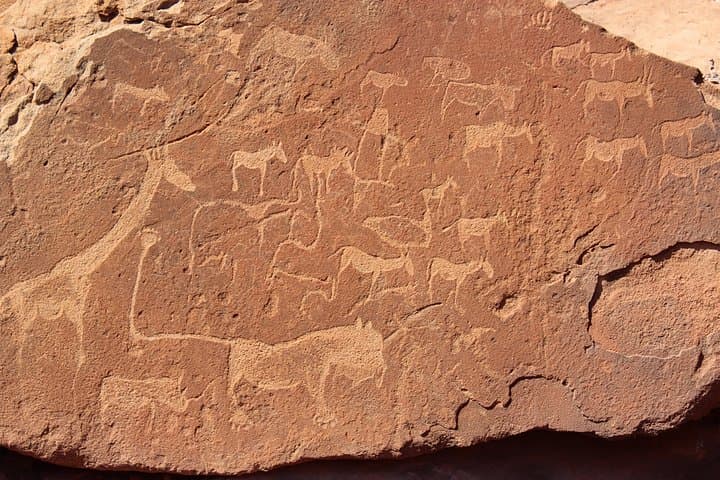
Namibia’s geography is a set of dramatic contrasts. The Kalahari’s fossil dunes give way to the towering quartz sand escarpments of the Namib, where dunes like Dune 45 rise about 80 m from the pan, and Dead Vlei sits as a white clay bowl studded with 900-year-old blackened acacias. West toward the Atlantic the Kuiseb and Gaub passes carve gateways between sea and sand, while the Skeleton Coast’s seal colonies mark the meeting of cold Benguela currents and arid desert. Northern tracks thread through Damaraland’s table mountains to Twyfelfontein’s rock engravings — some of the oldest human artworks in southern Africa.
Culture moves at a different tempo here. Himba and Herero communities maintain visible traditions; market stalls around Okahandja sell woodcarvings and semi-precious stones that connect modern commerce to a long craft history. Conservation is equally present on the itinerary: the AfriCat Foundation and community conservancies around Palmwag and Etosha prioritize coexistence with large carnivores, rhino protection and sustainable tourism.
Practicalities matter on a trip like this. Expect long travel days — plan on 3–6 hours of driving between major stops — with a mix of sealed roads and well-maintained gravel. Temperatures swing: hot, dry desert days (often 25–35°C) contrast with brisk coastal mornings and cool nights. You’ll climb small dunes and walk short canyons; stamina for frequent short walks and standing game drives is useful, but this is not a technical trek.
Pack sun protection (high SPF, wide-brim hat), layered clothing for early mornings and evenings, a good pair of walking shoes, and binoculars for waterhole viewing. Bring local currency for crafts and modest tips; photographers should plan for sunrise at Sossusvlei and golden hour at Etosha waterholes. Finally, travel with curiosity and patience: Namibia rewards slow observation—its animals, its skies and its human stories reveal themselves on their own timetable.
The dry season (May–October) offers clearer skies and better wildlife viewing at waterholes; coastal fog can appear year-round but is strongest June–August.
Most activities are short walks, game drives and cultural visits — not technically difficult but expect frequent movement and some dune scrambling.
Yes; the tour is fully accommodated with meals listed as breakfast and many dinners and lunches included per the itinerary.
No — transport is provided. If you plan independent travel before or after the tour, some desert tracks require 4x4 experience.
Routine vaccinations should be up-to-date; check typhoid and hepatitis guidance and consult a travel clinic about malaria prophylaxis for certain northern regions depending on season.
Tipping is customary: roughly NAD 50–150 per person per day for guides, smaller amounts for lodge staff; adapt to service and local currency availability.
Bluecrane Safaris Namibia operates guided outdoor trips and adventures with an emphasis on safety, stewardship, and memorable experiences.
The bus bumps away from Windhoek under a hard blue sky and the city’s altitude — roughly 1,700 m — falls off behind you. Within hours the landscape simplifies: ochre grass, red sand ridges, scattered camelthorn trees that throw long, angular shadows. By late afternoon you’re on a sundowner drive on a small dune plain; oryx graze at a distance and the sky hardens into an impossible cobalt. This is the rhythm of an 11-day loop that trades metropolitan pace for desert light, coastal wind and the wide, watchful silence of Etosha’s waterholes.
The bus bumps away from Windhoek under a hard blue sky and the city’s altitude — roughly 1,700 m — falls off behind you. Within hours the landscape simplifies: ochre grass, red sand ridges, scattered camelthorn trees that throw long, angular shadows. By late afternoon you’re on a sundowner drive on a small dune plain; oryx graze at a distance and the sky hardens into an impossible cobalt. This is the rhythm of an 11-day loop that trades metropolitan pace for desert light, coastal wind and the wide, watchful silence of Etosha’s waterholes.
Namibia’s geography is a set of dramatic contrasts. The Kalahari’s fossil dunes give way to the towering quartz sand escarpments of the Namib, where dunes like Dune 45 rise about 80 m from the pan, and Dead Vlei sits as a white clay bowl studded with 900-year-old blackened acacias. West toward the Atlantic the Kuiseb and Gaub passes carve gateways between sea and sand, while the Skeleton Coast’s seal colonies mark the meeting of cold Benguela currents and arid desert. Northern tracks thread through Damaraland’s table mountains to Twyfelfontein’s rock engravings — some of the oldest human artworks in southern Africa.
Culture moves at a different tempo here. Himba and Herero communities maintain visible traditions; market stalls around Okahandja sell woodcarvings and semi-precious stones that connect modern commerce to a long craft history. Conservation is equally present on the itinerary: the AfriCat Foundation and community conservancies around Palmwag and Etosha prioritize coexistence with large carnivores, rhino protection and sustainable tourism.
Practicalities matter on a trip like this. Expect long travel days — plan on 3–6 hours of driving between major stops — with a mix of sealed roads and well-maintained gravel. Temperatures swing: hot, dry desert days (often 25–35°C) contrast with brisk coastal mornings and cool nights. You’ll climb small dunes and walk short canyons; stamina for frequent short walks and standing game drives is useful, but this is not a technical trek.
Pack sun protection (high SPF, wide-brim hat), layered clothing for early mornings and evenings, a good pair of walking shoes, and binoculars for waterhole viewing. Bring local currency for crafts and modest tips; photographers should plan for sunrise at Sossusvlei and golden hour at Etosha waterholes. Finally, travel with curiosity and patience: Namibia rewards slow observation—its animals, its skies and its human stories reveal themselves on their own timetable.