THE ADVENTURE COLLECTIVE® · Independent discovery and booking for outdoor travel

An 11-day overland circuit from Lhasa to Ngari that visits Yamdrok, Manasarovar, Mount Kailash, Guge ruins and Everest Base viewpoints. Expect high passes, long drives on rough roads, and deep cultural encounters with Tibetan pilgrimage traditions.
An 11-day overland circuit from Lhasa to Ngari that visits Yamdrok, Manasarovar, Mount Kailash, Guge ruins and Everest Base viewpoints. Expect high passes, long drives on rough roads, and deep cultural encounters with Tibetan pilgrimage traditions.
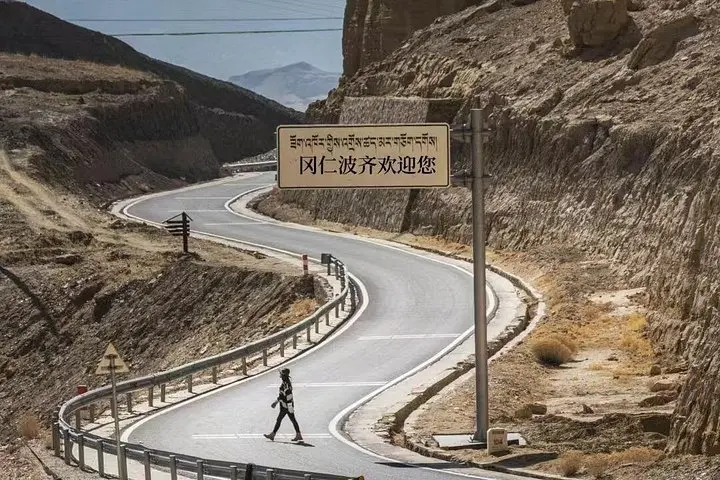
Morning light slices across the high plateau and the vehicle tires crunch a road that seems to lead into the sky.
Verified experiences and guided adventures in the surrounding area.
Operated by Journey2Tibet · Darchen, Tibet Autonomous Region
Morning light slices across the high plateau and the vehicle tires crunch a road that seems to lead into the sky.
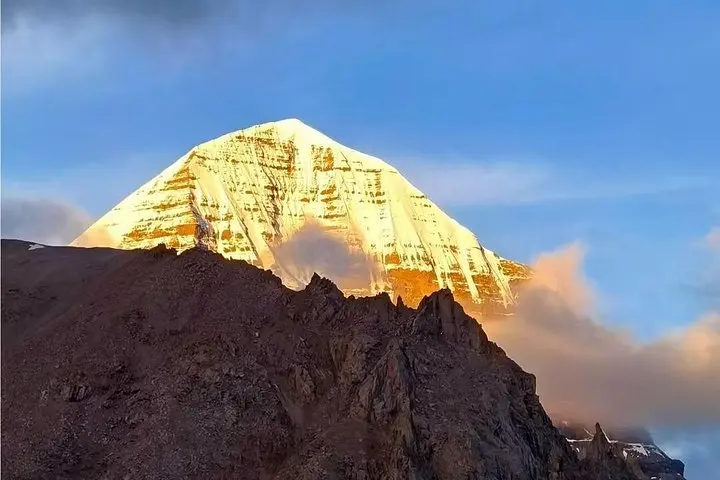
You arrive into thin air and an ancient landscape where mountains hold prayer flags like small fires. This 11-day overland circuit links Lhasa to Ngari, carrying you past Gangbala Pass (≈4,990 m), the turquoise sweep of Yamdrok, the freshwater mirror of Lake Manasarovar, and the pyramid faces of Mount Kailash (6,638 m). Rivers dare you to watch their speed; glaciers push forward as slow, luminous machines.
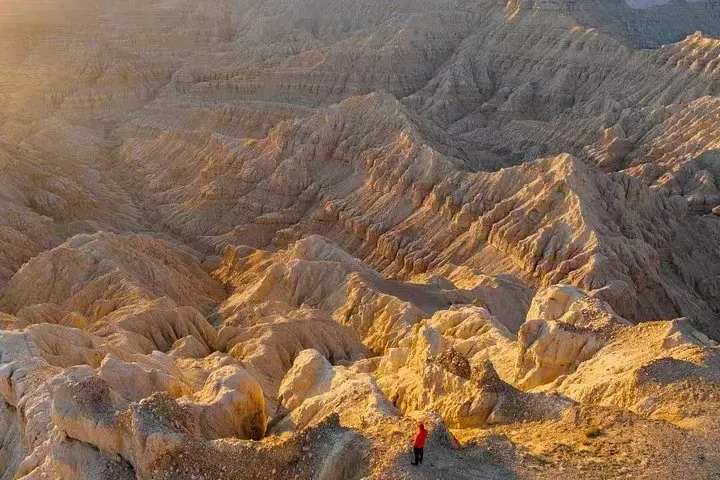
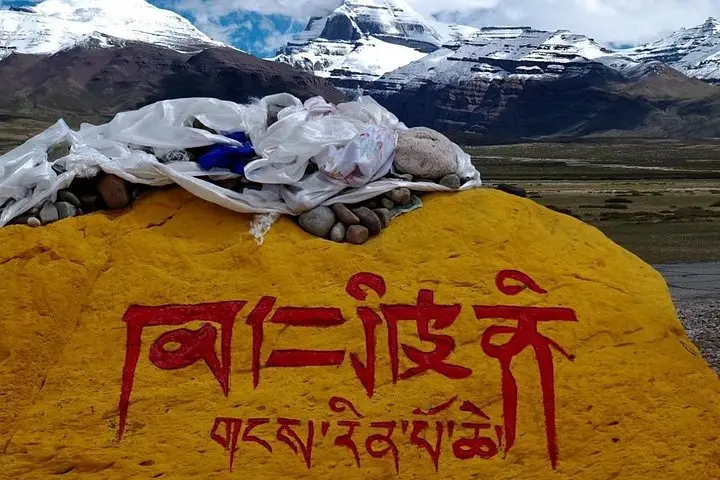
History here is public: pilgrims have walked the kora around Kailash for millennia; the ruins of the Guge Kingdom in Zanda recall a forgotten Himalayan polity that once controlled Silk Road routes. Geology shows uplifted sediment, fault lakes and salt flats; Shishapangma and Everest appear as white punctuation marks along the horizon.
Culturally the region is overwhelmingly Tibetan—monasteries, prostrating pilgrims, and yak caravan tracks set the rhythm. Expect long vehicle days on rough sections, brief high-altitude hikes, and nights in 4-star hotels or basic guesthouses (occasional tents near Rongbuk).
Practical guidance: prioritize acclimatization, carry sun protection and layered insulation, and keep hydrated—altitudes commonly exceed 4,500 m. Permits and vehicle logistics are handled by the operator, but bring passport copies and local currency. Packing compact oxygen, a daypack, and sturdy boots will make the pilgrimage more comfortable. This is a travel experience where patience and respect for local customs reward you with some of the most elemental scenery on Earth.
Yes—permits are required for travel in Tibet; this tour includes permit handling but bring original passport and required documents.
Many stops exceed 4,500–5,000 m; symptoms of altitude sickness are possible—acclimatize, hydrate, and notify guides if you feel unwell.
The tour includes breakfasts and 4-star hotel accommodations as listed; some monasteries and optional site fees may be extra.
Yes—walking the 52 km kora typically takes 2 days by foot (or can be done partially with vehicle support); discuss options with your guide based on fitness and conditions.
Journey2Tibet operates guided outdoor trips and adventures with an emphasis on safety, stewardship, and memorable experiences.
Morning light slices across the high plateau and the vehicle tires crunch a road that seems to lead into the sky.
Morning light slices across the high plateau and the vehicle tires crunch a road that seems to lead into the sky.
You arrive into thin air and an ancient landscape where mountains hold prayer flags like small fires. This 11-day overland circuit links Lhasa to Ngari, carrying you past Gangbala Pass (≈4,990 m), the turquoise sweep of Yamdrok, the freshwater mirror of Lake Manasarovar, and the pyramid faces of Mount Kailash (6,638 m). Rivers dare you to watch their speed; glaciers push forward as slow, luminous machines.
History here is public: pilgrims have walked the kora around Kailash for millennia; the ruins of the Guge Kingdom in Zanda recall a forgotten Himalayan polity that once controlled Silk Road routes. Geology shows uplifted sediment, fault lakes and salt flats; Shishapangma and Everest appear as white punctuation marks along the horizon.
Culturally the region is overwhelmingly Tibetan—monasteries, prostrating pilgrims, and yak caravan tracks set the rhythm. Expect long vehicle days on rough sections, brief high-altitude hikes, and nights in 4-star hotels or basic guesthouses (occasional tents near Rongbuk).
Practical guidance: prioritize acclimatization, carry sun protection and layered insulation, and keep hydrated—altitudes commonly exceed 4,500 m. Permits and vehicle logistics are handled by the operator, but bring passport copies and local currency. Packing compact oxygen, a daypack, and sturdy boots will make the pilgrimage more comfortable. This is a travel experience where patience and respect for local customs reward you with some of the most elemental scenery on Earth.