THE ADVENTURE COLLECTIVE® · Independent discovery and booking for outdoor travel

A compact, high-altitude trek that combines on-foot approaches with a helicopter hop to Everest Base Camp and Kala Patthar. Ideal for travelers short on time who still want dramatic Himalayan panoramas and Sherpa village culture.
A compact, high-altitude trek that combines on-foot approaches with a helicopter hop to Everest Base Camp and Kala Patthar. Ideal for travelers short on time who still want dramatic Himalayan panoramas and Sherpa village culture.
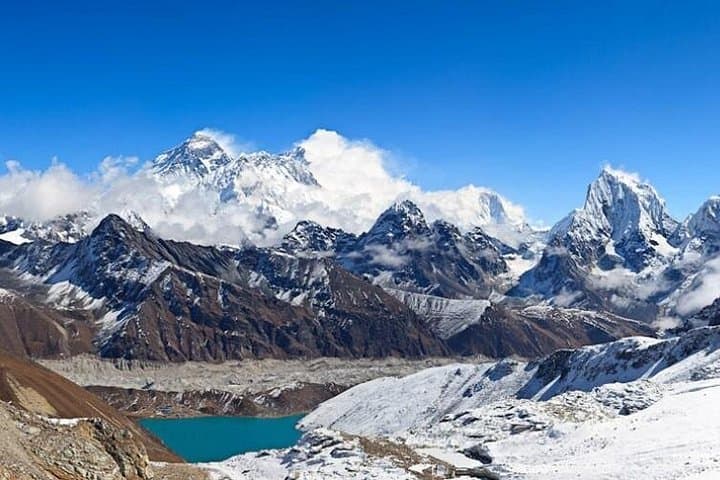
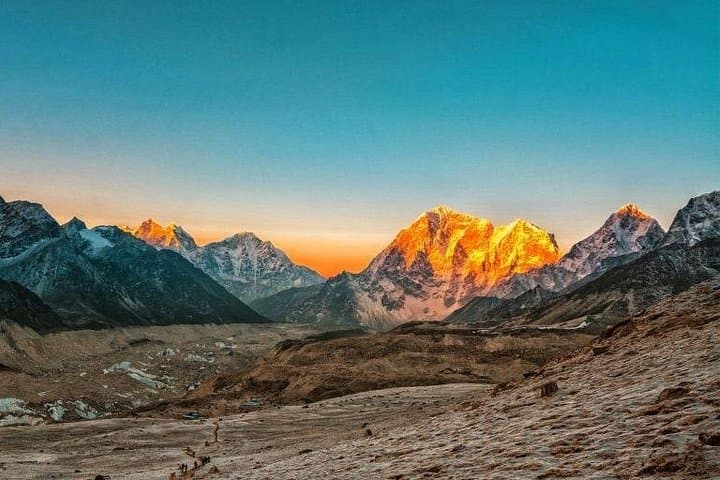
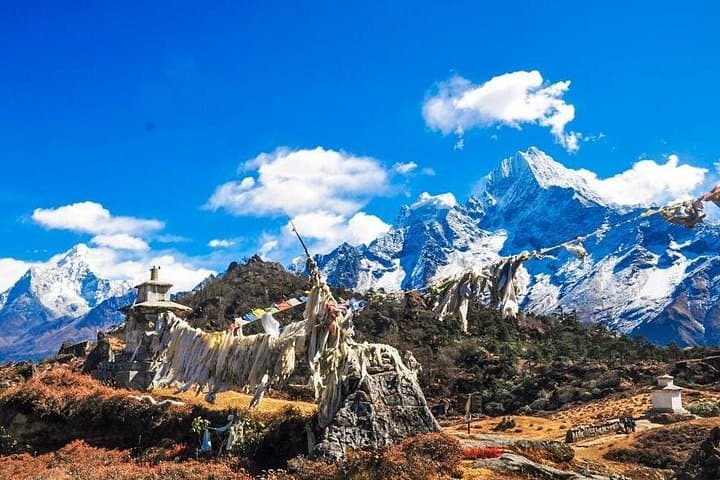
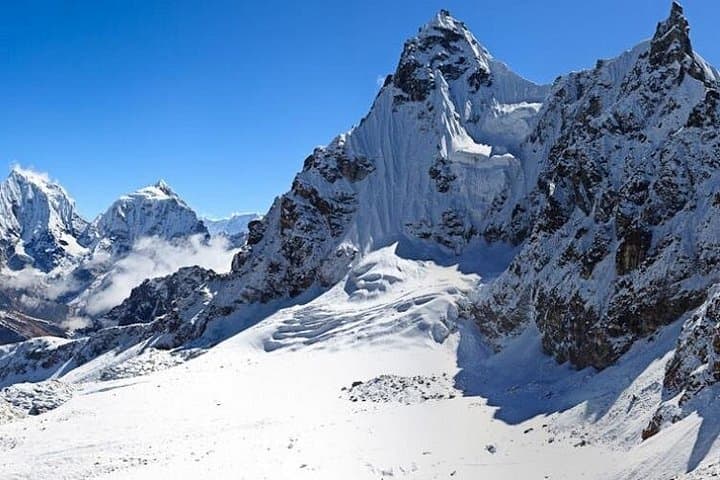
The trail opens with the rattle of a Kathmandu minibus and the close, humid air of the city giving way to barley fields and the first foothills. Within days the path thins, prayer flags snap at the wind, and the Himalaya begin to loom—granite and ice pressing the skyline into sharp relief.
Verified experiences and guided adventures in the surrounding area.
Operated by Sherpa Expedition & Trekking · Kathmandu, Bagmati Province
The trail opens with the rattle of a Kathmandu minibus and the close, humid air of the city giving way to barley fields and the first foothills. Within days the path thins, prayer flags snap at the wind, and the Himalaya begin to loom—granite and ice pressing the skyline into sharp relief.
This 11-day itinerary compresses the classic Everest approach: Kathmandu to Lukla flight, a rapid ascent through Sherpa villages to Namche Bazaar, and a helicopter transfer that delivers the emotional high point—views of the Khumbu Glacier, Everest Base Camp and a sunrise landing near Kala Patthar. Geologically, you move from river-carved valleys to moraines and exposed rock strata that tell the story of uplift and glaciation. Culturally, Sherpa hospitality and gompas (monasteries) anchor the route; Namche is the trading and acclimatization hub.
Expect thin air to be the defining challenge—altitude, not technical terrain, governs pace. Trails vary from packed dirt to rocky switchbacks; occasional river crossings and stone steps demand sure-footing. The helicopter segment shortens exposure but doesn’t eliminate the need for acclimatization; guides typically build rest days in Namche and adjust itineraries around weather.
Practical tips: carry layered insulation, drink pre-emptively to combat altitude dehydration, and bring a small daypack for summit pushes to Kala Patthar. Book flights early in the season (pre- and post-monsoon) and plan buffer days for delays. The payoff is immediate: close-range views of Everest, icefalls that seem to move, and the human rhythms of the Khumbu that keep this route alive.
No technical climbing skills are required—the route is high-altitude trekking. Previous multi-day hiking experience is recommended.
Heavily—helicopter flights are frequently delayed or rescheduled due to visibility, wind, or cloud ceiling; itineraries build in buffer days.
Yes—trekkers need TIMS and Sagarmatha National Park permits, typically arranged by the operator before departure.
Best windows are pre-monsoon (March–May) and post-monsoon (late September–November); monsoon brings heavy rain and winter has extreme cold and limited flight availability.
Sherpa Expedition & Trekking operates guided outdoor trips and adventures with an emphasis on safety, stewardship, and memorable experiences.
The trail opens with the rattle of a Kathmandu minibus and the close, humid air of the city giving way to barley fields and the first foothills. Within days the path thins, prayer flags snap at the wind, and the Himalaya begin to loom—granite and ice pressing the skyline into sharp relief.
The trail opens with the rattle of a Kathmandu minibus and the close, humid air of the city giving way to barley fields and the first foothills. Within days the path thins, prayer flags snap at the wind, and the Himalaya begin to loom—granite and ice pressing the skyline into sharp relief.
This 11-day itinerary compresses the classic Everest approach: Kathmandu to Lukla flight, a rapid ascent through Sherpa villages to Namche Bazaar, and a helicopter transfer that delivers the emotional high point—views of the Khumbu Glacier, Everest Base Camp and a sunrise landing near Kala Patthar. Geologically, you move from river-carved valleys to moraines and exposed rock strata that tell the story of uplift and glaciation. Culturally, Sherpa hospitality and gompas (monasteries) anchor the route; Namche is the trading and acclimatization hub.
Expect thin air to be the defining challenge—altitude, not technical terrain, governs pace. Trails vary from packed dirt to rocky switchbacks; occasional river crossings and stone steps demand sure-footing. The helicopter segment shortens exposure but doesn’t eliminate the need for acclimatization; guides typically build rest days in Namche and adjust itineraries around weather.
Practical tips: carry layered insulation, drink pre-emptively to combat altitude dehydration, and bring a small daypack for summit pushes to Kala Patthar. Book flights early in the season (pre- and post-monsoon) and plan buffer days for delays. The payoff is immediate: close-range views of Everest, icefalls that seem to move, and the human rhythms of the Khumbu that keep this route alive.