THE ADVENTURE COLLECTIVE® · Independent discovery and booking for outdoor travel

Short on time but set on Everest: this 11‑day fast-track trek compresses essential acclimatization and takes you to Everest Base Camp and Kala Patthar with optional helicopter support. Expect long days, high passes, and Sherpa hospitality.
Short on time but set on Everest: this 11‑day fast-track trek compresses essential acclimatization and takes you to Everest Base Camp and Kala Patthar with optional helicopter support. Expect long days, high passes, and Sherpa hospitality.
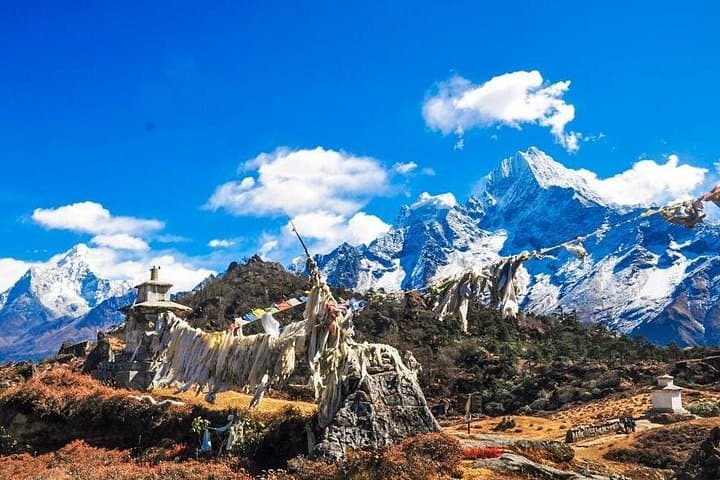
The path begins before you even leave Kathmandu: dusty streets tighten into Himalayan air as the plane drops into Lukla and the ridge opens. On this accelerated 11‑day itinerary you move with purpose—long days on stone stairways, prayer flags snapping like small flares above steep valleys—heading to the Khumbu Glacier and the pale bowl of Everest Base Camp itself.
Verified experiences and guided adventures in the surrounding area.
Operated by Sherpa Expedition & Trekking · Lukla, Province No. 1
The path begins before you even leave Kathmandu: dusty streets tighten into Himalayan air as the plane drops into Lukla and the ridge opens. On this accelerated 11‑day itinerary you move with purpose—long days on stone stairways, prayer flags snapping like small flares above steep valleys—heading to the Khumbu Glacier and the pale bowl of Everest Base Camp itself.
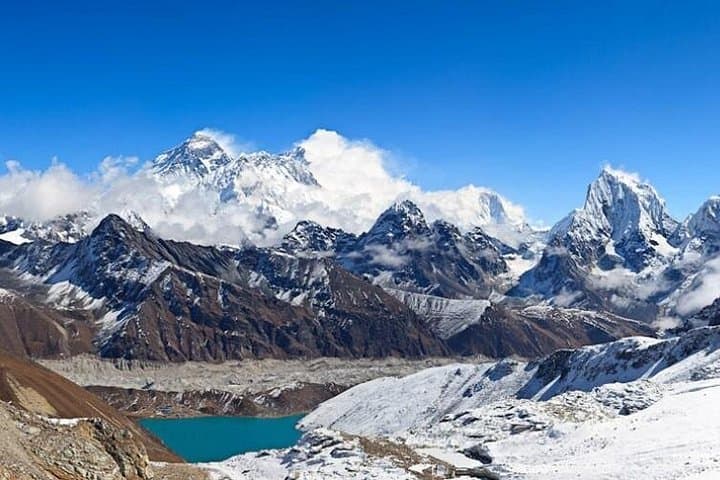
Geology here is brutal and beautiful: uplifted sedimentary layers grind against the Tibetan Plateau, producing sharp ridgelines, moraine fields and the blue-white teeth of the Khumbu Glacier. Culturally the route threads Sherpa villages—Namche Bazaar’s market bustle, prayer wheels at Tengboche, and mani stones that mark centuries of mountaineering and spiritual life on these slopes.
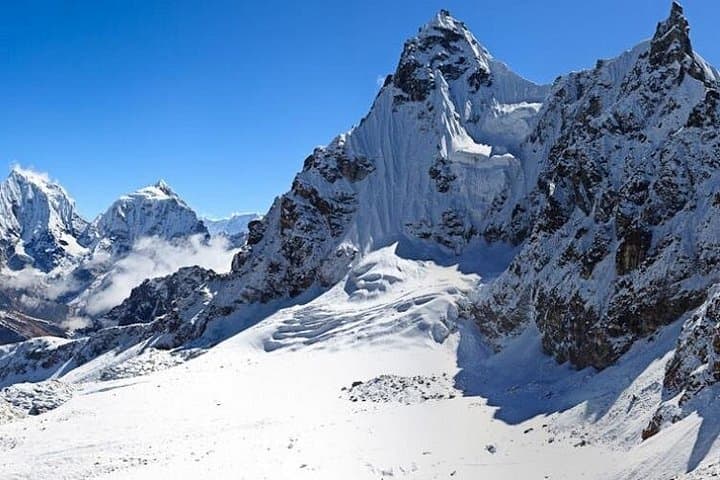
Expect a mix of high-altitude trekking and occasional helicopter transfers to shorten long descents: glaciers will demand your attention in the form of moraine walking and shifting scree; valleys will offer stands of rhododendron and alpine birch. Weather changes quickly—clear mornings can bloom into wind and snow by afternoon—and altitude is the real variable, not distance.
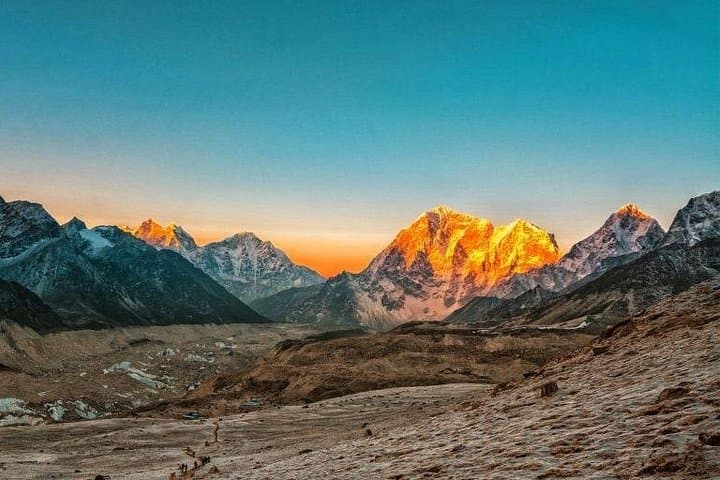
Practical guidance: prioritize acclimatization days in Namche, carry layered insulation and a good sleeping bag, and plan for 5–8 hours walking on several long days. Trekking permits (Sagarmatha National Park entry and TIMS) are required; guides typically handle these. Hydrate, monitor for AMS symptoms, and budget extra time for weather-delayed flights or helicopter windows. When successful, Kala Patthar’s sunrise will reward you with the clearest view of Everest’s face—a quiet, vertical reminder of why people keep returning to these mountains.
Yes — Sagarmatha National Park entry and a TIMS card are required; tour operators typically arrange these for group treks.
Expect sustained uphill and downhill hiking of several hours daily; good cardiovascular fitness and prior multi‑day hikes are recommended.
Helicopters commonly fly to Kala Patthar or to a landing near Base Camp in good weather; flights are dependent on visibility and air conditions.
Mild AMS symptoms are common; management includes slowing ascent, extra acclimatization days, hydration, and descent if symptoms worsen—carry medication if advised by a physician.
Sherpa Expedition & Trekking operates guided outdoor trips and adventures with an emphasis on safety, stewardship, and memorable experiences.
The path begins before you even leave Kathmandu: dusty streets tighten into Himalayan air as the plane drops into Lukla and the ridge opens. On this accelerated 11‑day itinerary you move with purpose—long days on stone stairways, prayer flags snapping like small flares above steep valleys—heading to the Khumbu Glacier and the pale bowl of Everest Base Camp itself.
The path begins before you even leave Kathmandu: dusty streets tighten into Himalayan air as the plane drops into Lukla and the ridge opens. On this accelerated 11‑day itinerary you move with purpose—long days on stone stairways, prayer flags snapping like small flares above steep valleys—heading to the Khumbu Glacier and the pale bowl of Everest Base Camp itself.
Geology here is brutal and beautiful: uplifted sedimentary layers grind against the Tibetan Plateau, producing sharp ridgelines, moraine fields and the blue-white teeth of the Khumbu Glacier. Culturally the route threads Sherpa villages—Namche Bazaar’s market bustle, prayer wheels at Tengboche, and mani stones that mark centuries of mountaineering and spiritual life on these slopes.
Expect a mix of high-altitude trekking and occasional helicopter transfers to shorten long descents: glaciers will demand your attention in the form of moraine walking and shifting scree; valleys will offer stands of rhododendron and alpine birch. Weather changes quickly—clear mornings can bloom into wind and snow by afternoon—and altitude is the real variable, not distance.
Practical guidance: prioritize acclimatization days in Namche, carry layered insulation and a good sleeping bag, and plan for 5–8 hours walking on several long days. Trekking permits (Sagarmatha National Park entry and TIMS) are required; guides typically handle these. Hydrate, monitor for AMS symptoms, and budget extra time for weather-delayed flights or helicopter windows. When successful, Kala Patthar’s sunrise will reward you with the clearest view of Everest’s face—a quiet, vertical reminder of why people keep returning to these mountains.