THE ADVENTURE COLLECTIVE® · Independent discovery and booking for outdoor travel

An eleven-day loop from Istanbul to Cappadocia, Ephesus, Antalya and Pamukkale that compresses Turkey’s major landscapes and histories into a tightly paced cultural route. Expect early mornings, domestic flights, walking on uneven stone, and unforgettable views.
An eleven-day loop from Istanbul to Cappadocia, Ephesus, Antalya and Pamukkale that compresses Turkey’s major landscapes and histories into a tightly paced cultural route. Expect early mornings, domestic flights, walking on uneven stone, and unforgettable views.
You step out of the hotel in Sultanahmet before sunrise and the stonework of Hagia Sophia catches the light like a book opening. The city hums—ferries scythe across the Bosphorus, seagulls wheel above the market roofs, and the air smells of strong coffee and toasted sesame. Over the next eleven days the route tightens into a bright thread: two continents in a morning, lunar valleys at dawn, colonnaded streets that once hosted emperors, and white travertine shelves that seem to pour from the cliffs themselves.
Verified experiences and guided adventures in the surrounding area.
Operated by Goodman Tours · Istanbul, Istanbul Province
You step out of the hotel in Sultanahmet before sunrise and the stonework of Hagia Sophia catches the light like a book opening. The city hums—ferries scythe across the Bosphorus, seagulls wheel above the market roofs, and the air smells of strong coffee and toasted sesame. Over the next eleven days the route tightens into a bright thread: two continents in a morning, lunar valleys at dawn, colonnaded streets that once hosted emperors, and white travertine shelves that seem to pour from the cliffs themselves.
This itinerary stitches together Turkey’s major layers of history. Byzantine mosaics and Ottoman palaces give Istanbul its dense architectural biography; Cappadocia’s chimneys and underground cities record volcanic eruptions and human adaptation to soft tuff over millennia; Ephesus preserves Roman urban life with a clarity few ancient sites can match; while Pamukkale’s travertine terraces and the ruins of Hierapolis show how mineral-rich waters have altered both landscape and settlement.
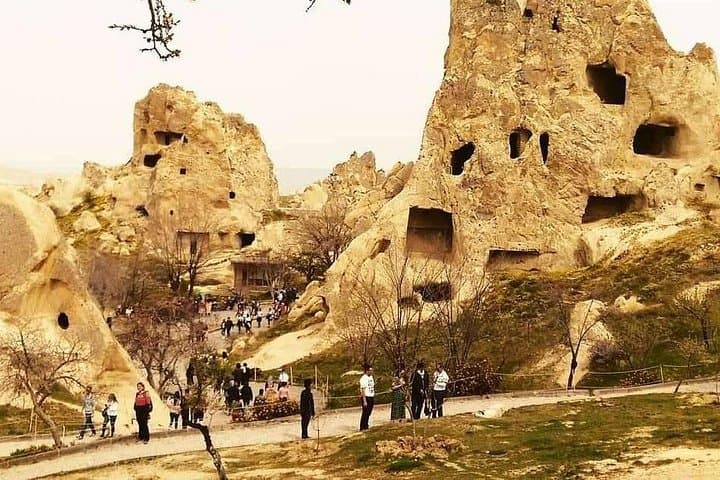
Geology is a constant companion: volcanic ash compacted into tuff in Cappadocia, later eroded into cones and caves; calcium carbonate-rich springs at Pamukkale depositing the white terraces over thousands of years. Culture here moves at the pace of both empire and market—grand mosques and humble teahouses coexist, and local crafts like Avanos pottery are living traditions rather than staged demonstrations.
Practical rhythm: expect early departures and compact days. Domestic flights between major hubs save time; transfers are mostly by comfortable air-conditioned van. Walking is the day-to-day currency—plan for 3–5 hours of on-foot exploration on key days, with short hikes in Ihlara Canyon (optionally 4–8 km, modest elevation change) and uphill scrambles to viewpoints in Uchisar and Red Valley (valley floors around 1,100–1,300 m).
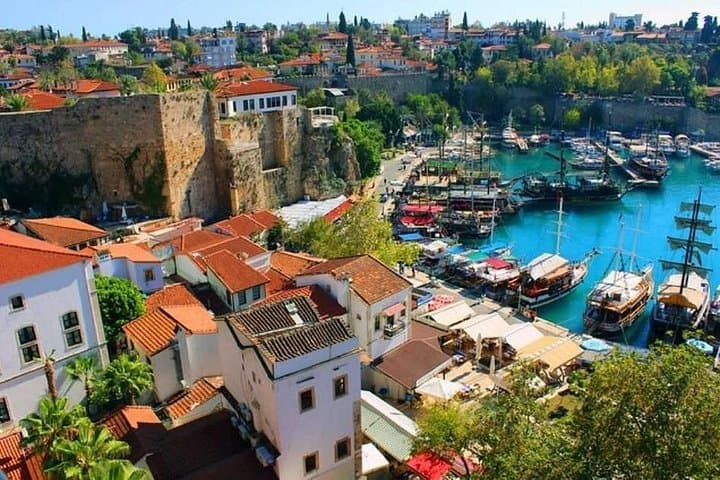
Bring footwear that grips cobbles and stairs, and layers for temperature swings—coastal Antalya will be warm, Cappadocia cold at dawn. Hydrate: bottled water is ubiquitous and cheap; carry a refillable bottle to reduce plastic waste. Expect stairs, uneven stone, and narrow passages in underground cities—if you have significant mobility restrictions, plan accordingly.
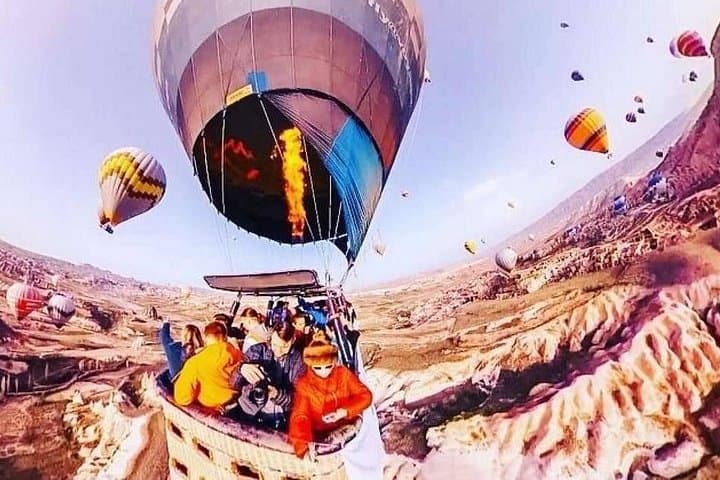
Timing matters: sunrise balloon flights over Cappadocia are the iconic expense of time and early mornings but can be booked separately; Bosphorus crossings are best mid-morning for light and calmer skies. Learn a few Turkish phrases—‘tesekkür ederim’ (thank you) goes far—and carry small cash for markets and tipping guides and drivers (5–10% locally customary).
This is a tour of contrasts: Istanbul’s dense urban grain, Cappadocia’s open skies, Ephesus’s quiet marble streets, and Pamukkale’s strange, white cascades. The payoff is not just seeing these places, but moving between them fast enough to sense the physical and cultural transitions—rock to water, mosque to agora—so by the last day you’ve experienced Turkey’s long, layered geography in a single, tightly paced arc.
Expect 2–5 hours of walking on most days—urban walking on cobbles and staircases, plus optional valley hikes of 4–8 km with modest elevation changes.
Yes, domestic flights called out in the program are included in the itinerary as listed in the inclusions.
The tour is family-friendly but requires a moderate level of mobility; some sites have long staircases and uneven ground, and the pace can be brisk.
Balloon flights are not automatically included—most operators run dawn flights and you can book them locally or through the operator as an add-on, weather permitting.
Turkish lira is standard; tips for guides and drivers of 5–10% are customary and small cash is useful for markets and toilets in rural areas.
The tour includes many breakfasts and several lunches/dinners and lists entry fees to sites and museums in the inclusions—check the detailed itinerary for specifics.
Goodman Tours operates guided outdoor trips and adventures with an emphasis on safety, stewardship, and memorable experiences.
You step out of the hotel in Sultanahmet before sunrise and the stonework of Hagia Sophia catches the light like a book opening. The city hums—ferries scythe across the Bosphorus, seagulls wheel above the market roofs, and the air smells of strong coffee and toasted sesame. Over the next eleven days the route tightens into a bright thread: two continents in a morning, lunar valleys at dawn, colonnaded streets that once hosted emperors, and white travertine shelves that seem to pour from the cliffs themselves.
You step out of the hotel in Sultanahmet before sunrise and the stonework of Hagia Sophia catches the light like a book opening. The city hums—ferries scythe across the Bosphorus, seagulls wheel above the market roofs, and the air smells of strong coffee and toasted sesame. Over the next eleven days the route tightens into a bright thread: two continents in a morning, lunar valleys at dawn, colonnaded streets that once hosted emperors, and white travertine shelves that seem to pour from the cliffs themselves.
This itinerary stitches together Turkey’s major layers of history. Byzantine mosaics and Ottoman palaces give Istanbul its dense architectural biography; Cappadocia’s chimneys and underground cities record volcanic eruptions and human adaptation to soft tuff over millennia; Ephesus preserves Roman urban life with a clarity few ancient sites can match; while Pamukkale’s travertine terraces and the ruins of Hierapolis show how mineral-rich waters have altered both landscape and settlement.
Geology is a constant companion: volcanic ash compacted into tuff in Cappadocia, later eroded into cones and caves; calcium carbonate-rich springs at Pamukkale depositing the white terraces over thousands of years. Culture here moves at the pace of both empire and market—grand mosques and humble teahouses coexist, and local crafts like Avanos pottery are living traditions rather than staged demonstrations.
Practical rhythm: expect early departures and compact days. Domestic flights between major hubs save time; transfers are mostly by comfortable air-conditioned van. Walking is the day-to-day currency—plan for 3–5 hours of on-foot exploration on key days, with short hikes in Ihlara Canyon (optionally 4–8 km, modest elevation change) and uphill scrambles to viewpoints in Uchisar and Red Valley (valley floors around 1,100–1,300 m).
Bring footwear that grips cobbles and stairs, and layers for temperature swings—coastal Antalya will be warm, Cappadocia cold at dawn. Hydrate: bottled water is ubiquitous and cheap; carry a refillable bottle to reduce plastic waste. Expect stairs, uneven stone, and narrow passages in underground cities—if you have significant mobility restrictions, plan accordingly.
Timing matters: sunrise balloon flights over Cappadocia are the iconic expense of time and early mornings but can be booked separately; Bosphorus crossings are best mid-morning for light and calmer skies. Learn a few Turkish phrases—‘tesekkür ederim’ (thank you) goes far—and carry small cash for markets and tipping guides and drivers (5–10% locally customary).
This is a tour of contrasts: Istanbul’s dense urban grain, Cappadocia’s open skies, Ephesus’s quiet marble streets, and Pamukkale’s strange, white cascades. The payoff is not just seeing these places, but moving between them fast enough to sense the physical and cultural transitions—rock to water, mosque to agora—so by the last day you’ve experienced Turkey’s long, layered geography in a single, tightly paced arc.