THE ADVENTURE COLLECTIVE® · Independent discovery and booking for outdoor travel

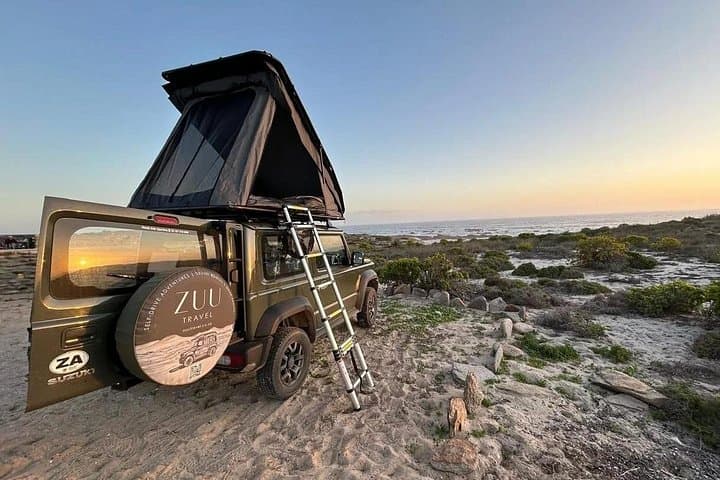
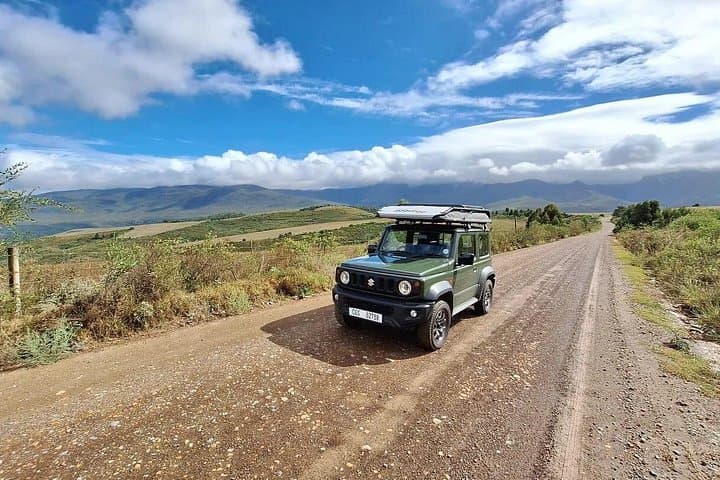
Drive a Suzuki Jimny along the Western Cape for 11 days of glamping, wine estates, coastal cliffs and protected reserves. Expect gravel mountain passes, penguin colonies, and self-catered eco-cabins with nightly braais.
Drive a Suzuki Jimny along the Western Cape for 11 days of glamping, wine estates, coastal cliffs and protected reserves. Expect gravel mountain passes, penguin colonies, and self-catered eco-cabins with nightly braais.
You start before dawn on a coastal pass, headlights cutting the salt-dark air as your Suzuki Jimny hums alive. Clarence Drive unfurls along the sea; waves dare you closer while fynbos-clad hills push back against the road. Each night a different campfire—camping drums and distant owl calls—replace the city’s hum.
Verified experiences and guided adventures in the surrounding area.
Operated by Wynart Koch · Cape Town, Western Cape
You start before dawn on a coastal pass, headlights cutting the salt-dark air as your Suzuki Jimny hums alive. Clarence Drive unfurls along the sea; waves dare you closer while fynbos-clad hills push back against the road. Each night a different campfire—camping drums and distant owl calls—replace the city’s hum.
This route threads South Africa’s layered history: Khoisan coastal routes, Huguenot wine farms planted in the 17th century, and 19th-century passes engineered by Thomas Bain. Geologically the Western Cape is folded rock—the Cape Fold Belt—whose ridges sculpt narrow valleys, gravel spurs and coastal cliffs. Culturally you’ll encounter Afrikaans farm hospitality, Cape Malay teas, and the slow ritual of a braai under an expansive southern sky.
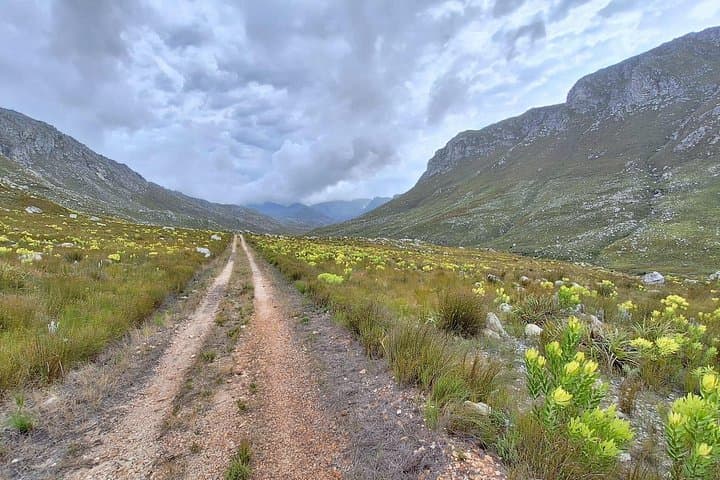
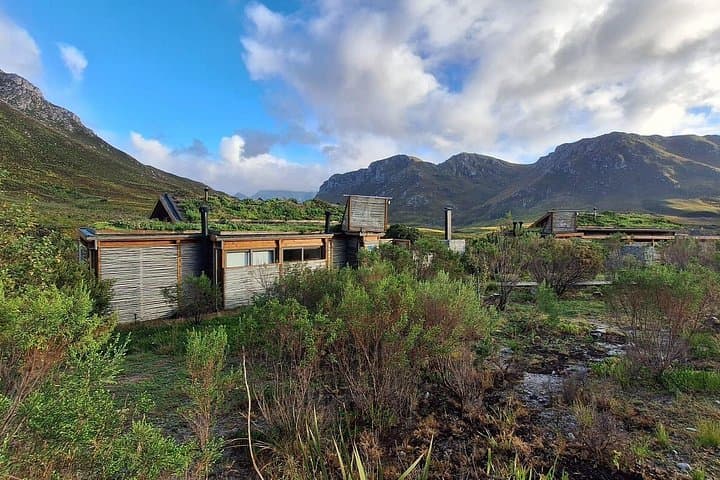
Expect varied terrain: sealed highways, long gravel stretches (50km on some days), sandy beaches and forested kloofs. Wildlife punctuates the journey—African penguins on Stony Point, bontebok in De Hoop, and raptors circling the Potberg cliffs. Accommodation alternates between eco-cabins, rondavels and luxury glamping tents with hot tubs; most nights are self-catered with on-site options at larger estates.
Practical tips: time drives for morning and late afternoon to avoid midday heat and to catch wildlife activity. Bring layered clothing for coastal wind and inland chill, and pack waterproofs for sudden Cape squalls. Learn basic 4x4 techniques—engage low-range for gravel—and carry extra water, a full spare tyre kit and a printed map in case of patchy signal. With moderate fitness and sensible preparation, this route rewards with sweeping coastal vistas, intimate wildlife encounters and comfortable nights under stars.
Basic familiarity with engaging 4WD and driving on gravel is helpful; the guide covers vehicle orientation but engaging low-range and tyre-pressure adjustments are useful skills.
Park entrance fees and some activities ( De Hoop boat cruises, guided hikes) are not included—pay locally or pre-book where indicated.
Accommodation ranges from self-contained eco-cabins and rondavels to luxury Africamps tents; all provide beds and basic kitchen facilities, with some shared amenities.
Yes for families with older children used to camping and long drives; not recommended for travelers requiring medical mobility support or pregnant travelers per operator notes.
Wynart Koch operates guided outdoor trips and adventures with an emphasis on safety, stewardship, and memorable experiences.
You start before dawn on a coastal pass, headlights cutting the salt-dark air as your Suzuki Jimny hums alive. Clarence Drive unfurls along the sea; waves dare you closer while fynbos-clad hills push back against the road. Each night a different campfire—camping drums and distant owl calls—replace the city’s hum.
You start before dawn on a coastal pass, headlights cutting the salt-dark air as your Suzuki Jimny hums alive. Clarence Drive unfurls along the sea; waves dare you closer while fynbos-clad hills push back against the road. Each night a different campfire—camping drums and distant owl calls—replace the city’s hum.
This route threads South Africa’s layered history: Khoisan coastal routes, Huguenot wine farms planted in the 17th century, and 19th-century passes engineered by Thomas Bain. Geologically the Western Cape is folded rock—the Cape Fold Belt—whose ridges sculpt narrow valleys, gravel spurs and coastal cliffs. Culturally you’ll encounter Afrikaans farm hospitality, Cape Malay teas, and the slow ritual of a braai under an expansive southern sky.
Expect varied terrain: sealed highways, long gravel stretches (50km on some days), sandy beaches and forested kloofs. Wildlife punctuates the journey—African penguins on Stony Point, bontebok in De Hoop, and raptors circling the Potberg cliffs. Accommodation alternates between eco-cabins, rondavels and luxury glamping tents with hot tubs; most nights are self-catered with on-site options at larger estates.
Practical tips: time drives for morning and late afternoon to avoid midday heat and to catch wildlife activity. Bring layered clothing for coastal wind and inland chill, and pack waterproofs for sudden Cape squalls. Learn basic 4x4 techniques—engage low-range for gravel—and carry extra water, a full spare tyre kit and a printed map in case of patchy signal. With moderate fitness and sensible preparation, this route rewards with sweeping coastal vistas, intimate wildlife encounters and comfortable nights under stars.