THE ADVENTURE COLLECTIVE® · Independent discovery and booking for outdoor travel

A steady 12-day route into the Annapurna Sanctuary that combines classic Himalayan scenery with local teahouse culture. Learn what to expect—from stone staircases and rhododendron forests to altitude planning and permit needs—before you go.
A steady 12-day route into the Annapurna Sanctuary that combines classic Himalayan scenery with local teahouse culture. Learn what to expect—from stone staircases and rhododendron forests to altitude planning and permit needs—before you go.
You wake before dawn to the smell of wood smoke and instant tea, lacing boots by the dim light of a teahouse. A ribbon of headlamps threads up stone steps; the ridge exhales cold air and the Annapurna massif pushes its teeth into the sky. By the time you reach Annapurna Base Camp, peaks ring the valley like a living amphitheater, glaciers and ridgelines catching the sun as if on cue.
Verified experiences and guided adventures in the surrounding area.
Operated by Everest High Pass Adventures · Pokhara, Gandaki Province
You wake before dawn to the smell of wood smoke and instant tea, lacing boots by the dim light of a teahouse. A ribbon of headlamps threads up stone steps; the ridge exhales cold air and the Annapurna massif pushes its teeth into the sky. By the time you reach Annapurna Base Camp, peaks ring the valley like a living amphitheater, glaciers and ridgelines catching the sun as if on cue.
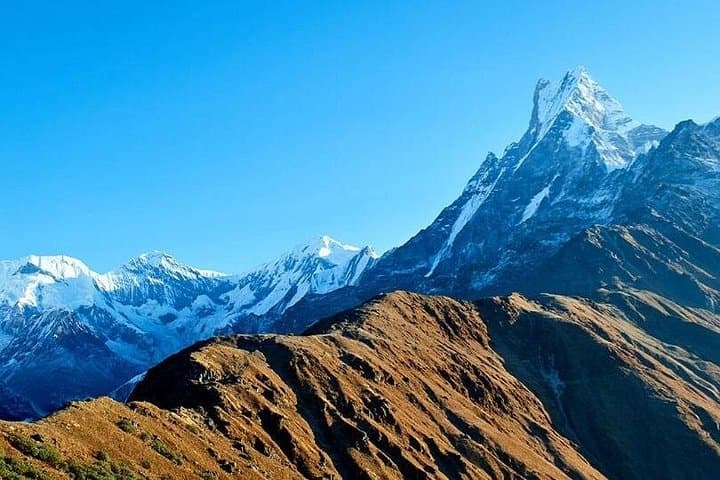
The Annapurna range is a young fold born from the Indian-Eurasian collision; granite and metamorphic rock sculpt steep faces and cirques. Local Gurung and Magar communities have lived on these slopes for centuries—terraced fields, prayer flags and teahouses form the human layer between alpine meadow and vertical stone. Machapuchare remains culturally protected and unclimbed; its sheer flute-like peak is visible on many days.
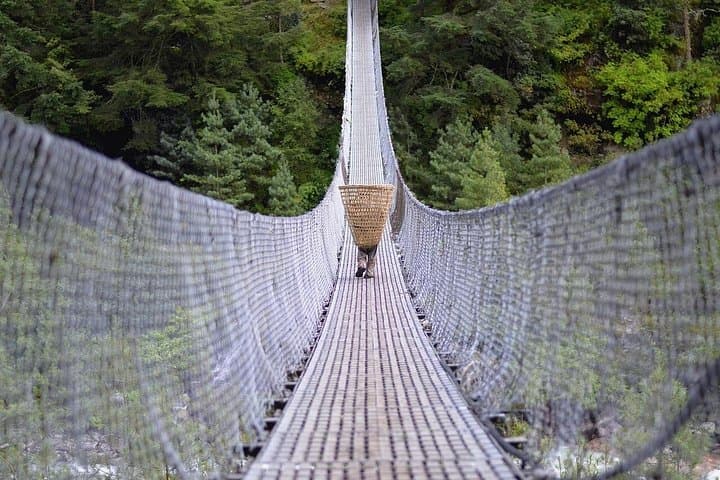
Expect classic Himalayan trekking: rhododendron and oak forests, long stone staircases, river crossings and high alpine meadows. Altitude rises steadily to 4,130 m at ABC, so build in acclimatization (Poon Hill is useful). Nights are in teahouses—simple rooms, communal meals—so pack layers and a good sleeping bag. Weather can flip: clear morning views can become windy snow or rain by afternoon. Hydrate, pace your ascent, and consider a porter to ease long uphill days.
Logistics: start from Pokhara, arrange TIMS and Annapurna Conservation Area permits, and allow 11–12 days on-trail. This trek rewards steady effort with world-class panoramas and close encounters with Himalayan culture.
Yes—TIMS (Trekkers’ Information Management System) and an Annapurna Conservation Area Permit are required and usually arranged before or upon arrival in Pokhara.
Fall (Sept–Nov) and spring (Mar–May) offer the most stable weather and clear mountain views; monsoon brings lush valleys but heavy rain.
Teahouses provide basic private or shared rooms and hot meals; they are simple but comfortable enough for novice trekkers used to rustic conditions.
ABC reaches 4,130 m—acute mountain sickness is possible; ascend gradually, hydrate, and descend if symptoms worsen.
Everest High Pass Adventures operates guided outdoor trips and adventures with an emphasis on safety, stewardship, and memorable experiences.
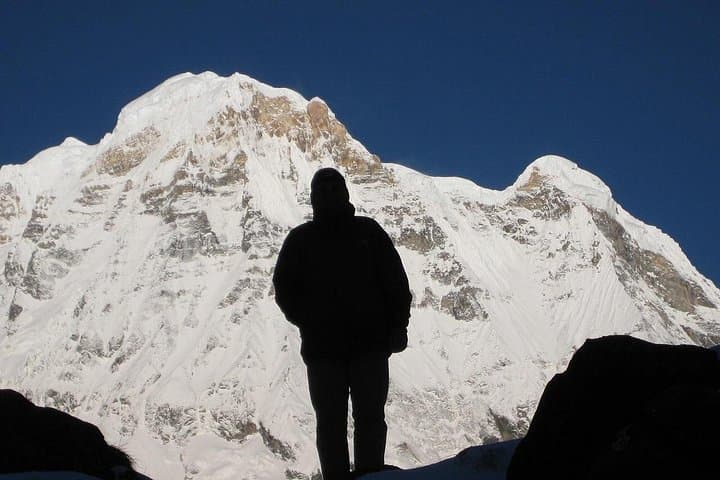
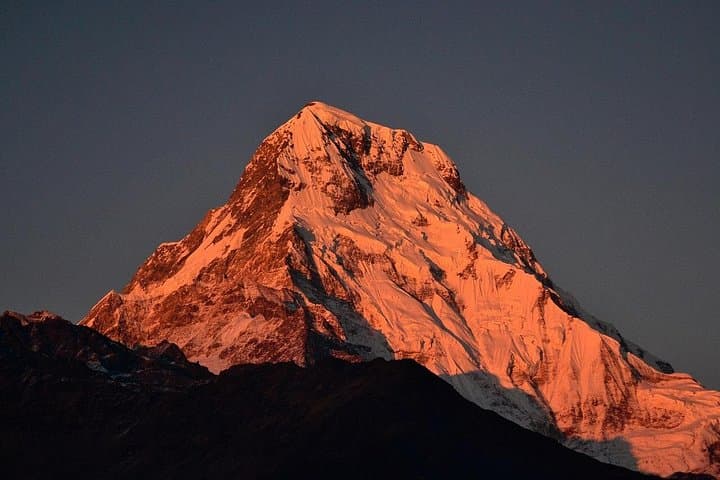
You wake before dawn to the smell of wood smoke and instant tea, lacing boots by the dim light of a teahouse. A ribbon of headlamps threads up stone steps; the ridge exhales cold air and the Annapurna massif pushes its teeth into the sky. By the time you reach Annapurna Base Camp, peaks ring the valley like a living amphitheater, glaciers and ridgelines catching the sun as if on cue.
You wake before dawn to the smell of wood smoke and instant tea, lacing boots by the dim light of a teahouse. A ribbon of headlamps threads up stone steps; the ridge exhales cold air and the Annapurna massif pushes its teeth into the sky. By the time you reach Annapurna Base Camp, peaks ring the valley like a living amphitheater, glaciers and ridgelines catching the sun as if on cue.
The Annapurna range is a young fold born from the Indian-Eurasian collision; granite and metamorphic rock sculpt steep faces and cirques. Local Gurung and Magar communities have lived on these slopes for centuries—terraced fields, prayer flags and teahouses form the human layer between alpine meadow and vertical stone. Machapuchare remains culturally protected and unclimbed; its sheer flute-like peak is visible on many days.
Expect classic Himalayan trekking: rhododendron and oak forests, long stone staircases, river crossings and high alpine meadows. Altitude rises steadily to 4,130 m at ABC, so build in acclimatization (Poon Hill is useful). Nights are in teahouses—simple rooms, communal meals—so pack layers and a good sleeping bag. Weather can flip: clear morning views can become windy snow or rain by afternoon. Hydrate, pace your ascent, and consider a porter to ease long uphill days.
Logistics: start from Pokhara, arrange TIMS and Annapurna Conservation Area permits, and allow 11–12 days on-trail. This trek rewards steady effort with world-class panoramas and close encounters with Himalayan culture.