THE ADVENTURE COLLECTIVE® · Independent discovery and booking for outdoor travel

Cross Thorong La and circle the Annapurna massif on a 12-day trek from Pokhara. This route combines high alpine passes, traditional mountain villages and steady acclimatization for a classic Himalayan challenge.
Cross Thorong La and circle the Annapurna massif on a 12-day trek from Pokhara. This route combines high alpine passes, traditional mountain villages and steady acclimatization for a classic Himalayan challenge.
You push out of Pokhara at dawn, the bus easing through terraced farmland while the Himalaya rise like a promise on the horizon. By the second day the valley narrows, prayer flags flick at village bridges and the trail climbs on stone steps that test calves and focus. The wind on Thorong La does not ask permission — it insists you earn the view.
Verified experiences and guided adventures in the surrounding area.
Operated by Couch Adventure Nepal (CAN) · Pokhara, Gandaki Province
You push out of Pokhara at dawn, the bus easing through terraced farmland while the Himalaya rise like a promise on the horizon. By the second day the valley narrows, prayer flags flick at village bridges and the trail climbs on stone steps that test calves and focus. The wind on Thorong La does not ask permission — it insists you earn the view.
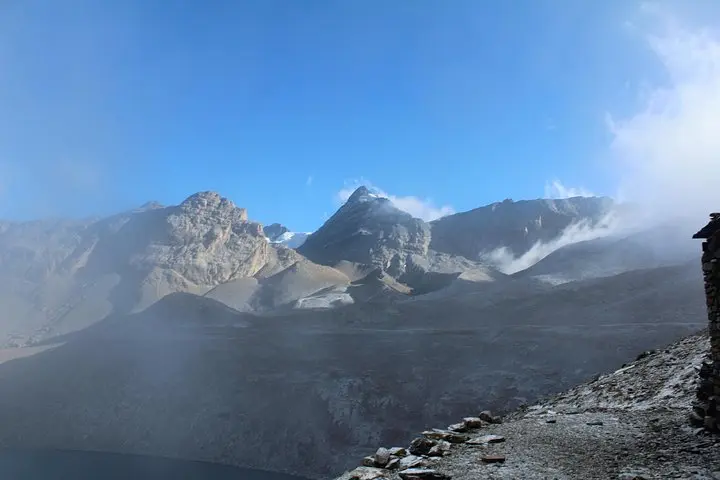
The Annapurna Circuit follows a long arc around the Annapurna massif, carved by uplift and glaciation. Geological contrasts are sharp: river-cut gorges, alluvial fans and glacier-polished moraine above Manang. Cultural notes thread through the route — Gurung and Thakali villages, mani walls, and Muktinath’s mixed Hindu-Buddhist pilgrimage site near the trail’s end.
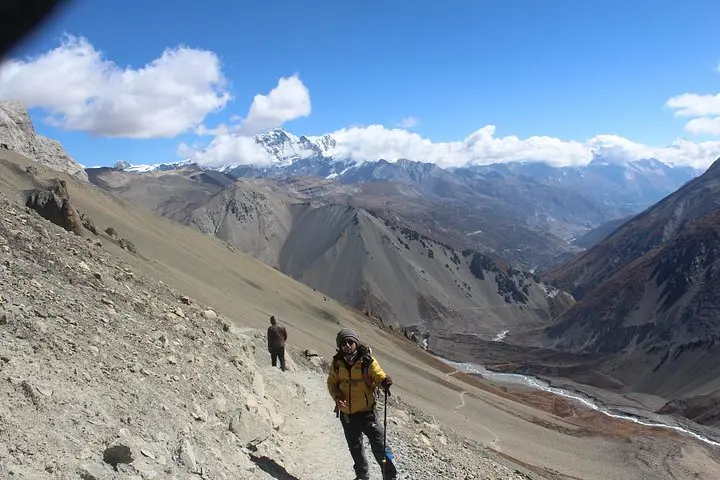
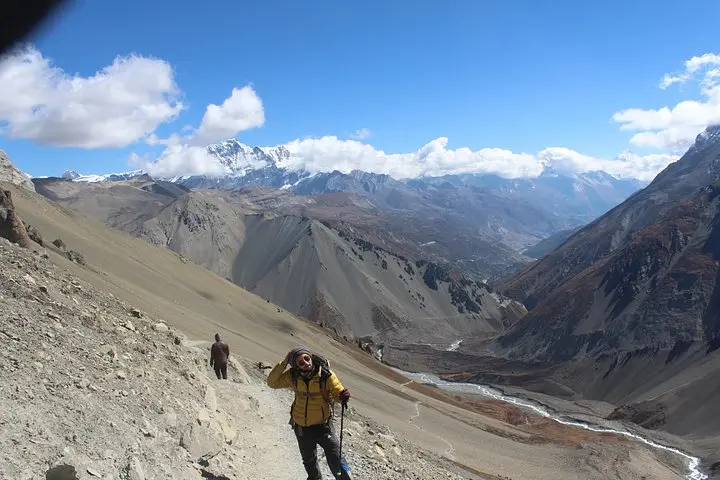
Expect daily walks of 5–8 hours, with the high point at Thorong La (about 5,416 m) and progressive acclimatization built in (Manang rest day). Terrain alternates packed dirt, stone stairways and loose scree; river crossings and suspension bridges are routine. Lodging is in guest houses and lodges, not tents, so plan for shared facilities and hot meals in lower stretches.
Practical essentials: start early for high passes, break long ascents with deliberate pacing, and drink often to combat dry alpine air. Carry layered insulation for cold mornings, a lightweight down for the pass, and a water-treatment option — teahouse water is available but treat it. Permits (ACAP and TIMS) are required and normally handled by operators. Weather can flip quickly at altitude; a flexible itinerary and conservative pacing protect both health and enjoyment.
Yes—an ACAP (Annapurna Conservation Area Permit) and a TIMS card are required; most operators handle these for you.
The pass reaches about 5,416 m and is a long, cold ascent; weather and altitude make it strenuous—early starts, pacing and acclimatization are essential.
Typical inclusions are guest-house accommodation, local guide, some transport between trailheads and permits; check your operator for exact inclusions.
Spring (April–May) and autumn (September–November) offer the most stable weather and clear mountain views; shoulder seasons are colder and snowier at high passes.
Couch Adventure Nepal (CAN) operates guided outdoor trips and adventures with an emphasis on safety, stewardship, and memorable experiences.
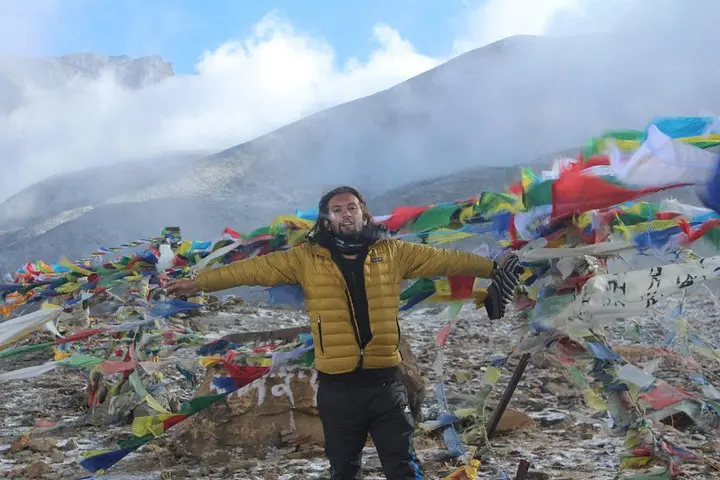
You push out of Pokhara at dawn, the bus easing through terraced farmland while the Himalaya rise like a promise on the horizon. By the second day the valley narrows, prayer flags flick at village bridges and the trail climbs on stone steps that test calves and focus. The wind on Thorong La does not ask permission — it insists you earn the view.
You push out of Pokhara at dawn, the bus easing through terraced farmland while the Himalaya rise like a promise on the horizon. By the second day the valley narrows, prayer flags flick at village bridges and the trail climbs on stone steps that test calves and focus. The wind on Thorong La does not ask permission — it insists you earn the view.
The Annapurna Circuit follows a long arc around the Annapurna massif, carved by uplift and glaciation. Geological contrasts are sharp: river-cut gorges, alluvial fans and glacier-polished moraine above Manang. Cultural notes thread through the route — Gurung and Thakali villages, mani walls, and Muktinath’s mixed Hindu-Buddhist pilgrimage site near the trail’s end.
Expect daily walks of 5–8 hours, with the high point at Thorong La (about 5,416 m) and progressive acclimatization built in (Manang rest day). Terrain alternates packed dirt, stone stairways and loose scree; river crossings and suspension bridges are routine. Lodging is in guest houses and lodges, not tents, so plan for shared facilities and hot meals in lower stretches.
Practical essentials: start early for high passes, break long ascents with deliberate pacing, and drink often to combat dry alpine air. Carry layered insulation for cold mornings, a lightweight down for the pass, and a water-treatment option — teahouse water is available but treat it. Permits (ACAP and TIMS) are required and normally handled by operators. Weather can flip quickly at altitude; a flexible itinerary and conservative pacing protect both health and enjoyment.