
12-Day Argentina Wine & Wilderness: Mendoza Vineyards, Bariloche Trails, and Iguazu Falls
From Mendoza’s high-altitude vineyards to Bariloche’s glacial ridgelines and the thunder of Iguazu, this private 12-day tour stitches Argentina’s most dramatic landscapes into a single journey. Expect winery tastings, full-day hikes with panoramic summits, and boardwalks that end at the Devil’s Throat.
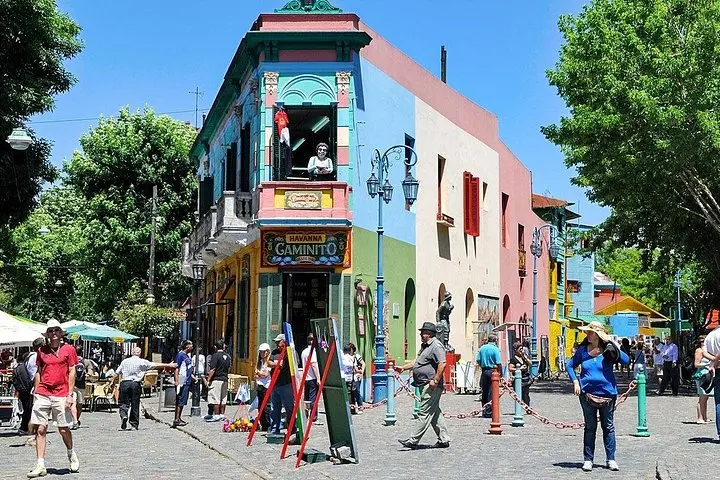
An Adventure In Buenos Aires.
From Mendoza’s high-altitude vineyards to Bariloche’s glacial ridgelines and the thunder of Iguazu, this private 12-day tour stitches Argentina’s most dramatic landscapes into a single journey. Expect winery tastings, full-day hikes with panoramic summits, and boardwalks that end at the Devil’s Throat.
Read the full experience
The bus slips away from Buenos Aires at dawn and the city’s wide avenues shrink into pampas—grasslands that push travelers toward mountains, lakes and thunderous water. Over the next twelve days the itinerary stitches together three very different Argentinas: the oak-shaded terraces of Mendoza where malbecs mature under the Andes, the glacial-ringed lakes and red-barked arrayán trees around Bariloche, and the raw, roaring walls of Iguazu where the river dares you to stand still.
The bus slips away from Buenos Aires at dawn and the city’s wide avenues shrink into pampas—grasslands that push travelers toward mountains, lakes and thunderous water. Over the next twelve days the itinerary stitches together three very different Argentinas: the oak-shaded terraces of Mendoza where malbecs mature under the Andes, the glacial-ringed lakes and red-barked arrayán trees around Bariloche, and the raw, roaring walls of Iguazu where the river dares you to stand still.
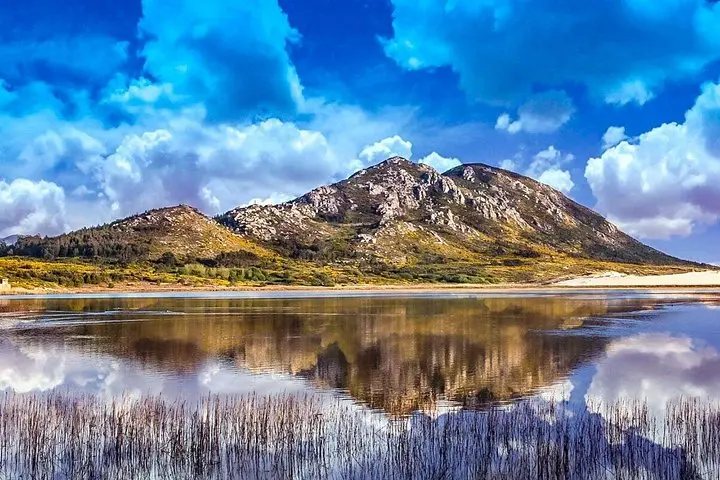
In Bariloche, mornings begin with cold light on choppy lake water and alpine-style chalets. A day on Victoria Island includes a 30-minute ferry and a cable car to Cerro Bella Vista (gain roughly 300–400 m) for panoramic views of Bahía Anchorena and the Llao Llao peninsula. The Nahuel Huapi hiking day covers mixed terrain—forest tracks, short rocky ascents and waterfall scrambles—about 8–12 km of walking and roughly 400–600 m cumulative elevation gain, ending at viewpoints that reveal Tronador’s glaciated flanks (3,491 m) and the black ice of Ventisquero Negro.
Mendoza brings a different geology: sedimentary terraces and alluvial soils that feed grapes. The full-day Uco Valley wine circuit drives 60–120 km round-trip and visits high-altitude bodegas such as Salentein and Andeluna where vineyard rows march toward snow-capped peaks. The High Mountain Tour offers road-side vantage points of Aconcagua (6,959 m), with brief walks at Horcones or Puente del Inca; these are scenic, not technical, outings.
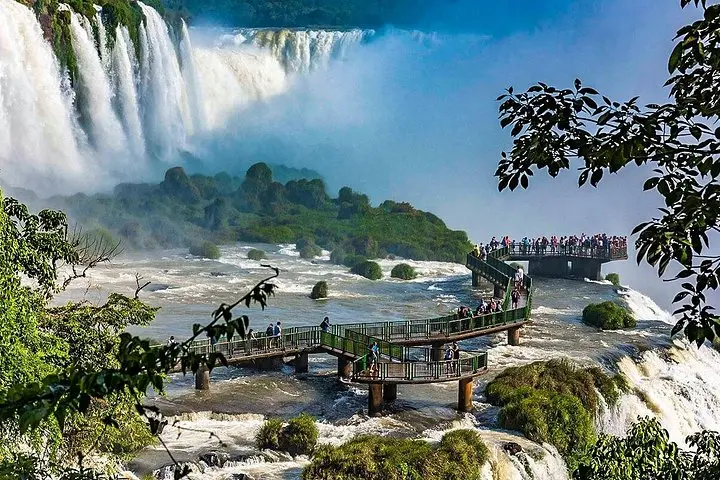
Iguazu’s chapters are defined by water. The Argentine circuits (Upper, Lower and Devil’s Throat) combine boardwalks and stair sections totaling 3–5 km of walking; the Brazilian side rewards panoramic compositions and postcard views. Expect spray, loud river voice, and persistent humidity that makes colors pop.
Practical guide: carry a lightweight waterproof shell and quick-dry layers for Patagonia and Iguazu; sturdy hiking shoes with good grip for slippery rock and boardwalks; insect repellent and a small towel for the falls. Allow time for domestic flights—Buenos Aires → Bariloche → Mendoza → Puerto Iguazu—and always bring your passport for the Brazil border crossing. Fitness wise, the tour is moderate: full days include several hours of walking and short climbs but no technical mountaineering.
Culturally, the trip balances estancias and bodegas with indigenous and immigrant histories—Patagonian German-Swiss architecture in Bariloche and long-established viticulture in Mendoza. Environmentally, visit protected areas on foot, keep to trails, and minimize single-use plastics: both Nahuel Huapi and Iguazu depend on low-impact tourism to remain intact.
This route is for travelers who want variety—glacier-scented air, volcanic anduvial soils, and a waterfall that will rearrange your sense of scale—served with private transfers and local guides who make the country’s contrasts feel navigable and immediate.
Frequently asked questions
Yes—if you plan to visit the Brazilian side you must carry your passport for border crossing; check visa requirements before travel.
Expect moderate days: 8–12 km with 400–600 m cumulative elevation; trails are non-technical but can be steep in parts.
The itinerary includes economy flights between Buenos Aires, Bariloche, Mendoza and Puerto Iguazu as listed in the inclusions.
Yes—the Mendoza day includes visits and tastings at established wineries in Luján de Cuyo and the Uco Valley.
Spring to early autumn (September–April) offers milder weather across the three regions; peak summer brings heat and humidity at Iguazu.
Breakfasts are included daily; select lunches/dinners and local English-speaking guides are provided for scheduled tours as specified.
About This Experience
Travel China Guide operates guided outdoor trips and adventures with an emphasis on safety, stewardship, and memorable experiences.
Adventure tips
Recommended gear
- Lightweight waterproof jacket: Protects against waterfall spray and Patagonian showers.
- Sturdy hiking shoes: Provides traction on wet boardwalks, rocky trails and uneven forest floors.
- Insect repellent & sunblock: Repellent for Iguazu humidity and sunblock for high-altitude vineyards.
- Daypack with hydration: Holds layers, water, camera and travel documents for long sightseeing days.
Photos of the experience
Related adventures & guides
Read the full experience
The bus slips away from Buenos Aires at dawn and the city’s wide avenues shrink into pampas—grasslands that push travelers toward mountains, lakes and thunderous water. Over the next twelve days the itinerary stitches together three very different Argentinas: the oak-shaded terraces of Mendoza where malbecs mature under the Andes, the glacial-ringed lakes and red-barked arrayán trees around Bariloche, and the raw, roaring walls of Iguazu where the river dares you to stand still.
The bus slips away from Buenos Aires at dawn and the city’s wide avenues shrink into pampas—grasslands that push travelers toward mountains, lakes and thunderous water. Over the next twelve days the itinerary stitches together three very different Argentinas: the oak-shaded terraces of Mendoza where malbecs mature under the Andes, the glacial-ringed lakes and red-barked arrayán trees around Bariloche, and the raw, roaring walls of Iguazu where the river dares you to stand still.
In Bariloche, mornings begin with cold light on choppy lake water and alpine-style chalets. A day on Victoria Island includes a 30-minute ferry and a cable car to Cerro Bella Vista (gain roughly 300–400 m) for panoramic views of Bahía Anchorena and the Llao Llao peninsula. The Nahuel Huapi hiking day covers mixed terrain—forest tracks, short rocky ascents and waterfall scrambles—about 8–12 km of walking and roughly 400–600 m cumulative elevation gain, ending at viewpoints that reveal Tronador’s glaciated flanks (3,491 m) and the black ice of Ventisquero Negro.
Mendoza brings a different geology: sedimentary terraces and alluvial soils that feed grapes. The full-day Uco Valley wine circuit drives 60–120 km round-trip and visits high-altitude bodegas such as Salentein and Andeluna where vineyard rows march toward snow-capped peaks. The High Mountain Tour offers road-side vantage points of Aconcagua (6,959 m), with brief walks at Horcones or Puente del Inca; these are scenic, not technical, outings.
Iguazu’s chapters are defined by water. The Argentine circuits (Upper, Lower and Devil’s Throat) combine boardwalks and stair sections totaling 3–5 km of walking; the Brazilian side rewards panoramic compositions and postcard views. Expect spray, loud river voice, and persistent humidity that makes colors pop.
Practical guide: carry a lightweight waterproof shell and quick-dry layers for Patagonia and Iguazu; sturdy hiking shoes with good grip for slippery rock and boardwalks; insect repellent and a small towel for the falls. Allow time for domestic flights—Buenos Aires → Bariloche → Mendoza → Puerto Iguazu—and always bring your passport for the Brazil border crossing. Fitness wise, the tour is moderate: full days include several hours of walking and short climbs but no technical mountaineering.
Culturally, the trip balances estancias and bodegas with indigenous and immigrant histories—Patagonian German-Swiss architecture in Bariloche and long-established viticulture in Mendoza. Environmentally, visit protected areas on foot, keep to trails, and minimize single-use plastics: both Nahuel Huapi and Iguazu depend on low-impact tourism to remain intact.
This route is for travelers who want variety—glacier-scented air, volcanic anduvial soils, and a waterfall that will rearrange your sense of scale—served with private transfers and local guides who make the country’s contrasts feel navigable and immediate.
Make a day of it nearby.
Verified experiences and guided adventures in the surrounding area.