THE ADVENTURE COLLECTIVE® · Independent discovery and booking for outdoor travel

Cross highland plazas, thunderous waterfalls and volcanic beaches on a 12‑day sweep from Quito to the Galapagos. This itinerary pairs cultural city tours with wildlife-rich island excursions and practical tips for every transfer and snorkel.
Cross highland plazas, thunderous waterfalls and volcanic beaches on a 12‑day sweep from Quito to the Galapagos. This itinerary pairs cultural city tours with wildlife-rich island excursions and practical tips for every transfer and snorkel.
A damp morning in Quito feels like the beginning of a story. The city sits just south of the equatorial line, where steam from coffee stalls and the metallic scent of rain hang in the air while the Andes sharpen into knife-edge ridges. On this 12‑day route, travelers move from colonial plazas and highland markets into rainforest cascades and, finally, the volcanic white beaches and cobalt seas of the Galapagos — each day rearranging the map in the mind.
Verified experiences and guided adventures in the surrounding area.
Operated by BM TOURS SA · Quito, Pichincha
A damp morning in Quito feels like the beginning of a story. The city sits just south of the equatorial line, where steam from coffee stalls and the metallic scent of rain hang in the air while the Andes sharpen into knife-edge ridges. On this 12‑day route, travelers move from colonial plazas and highland markets into rainforest cascades and, finally, the volcanic white beaches and cobalt seas of the Galapagos — each day rearranging the map in the mind.
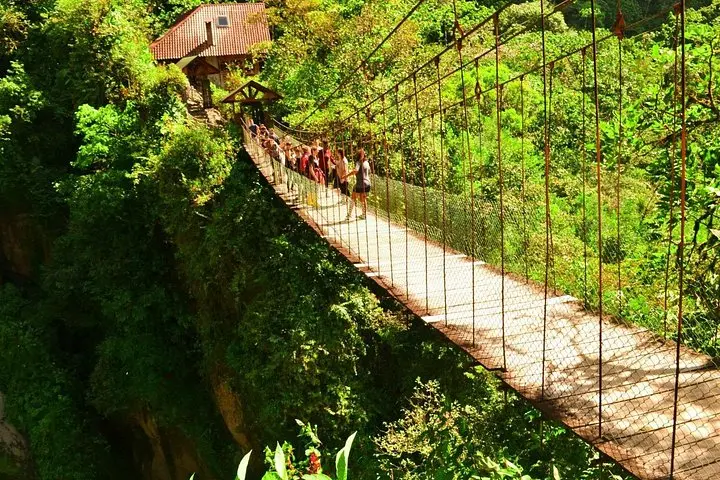
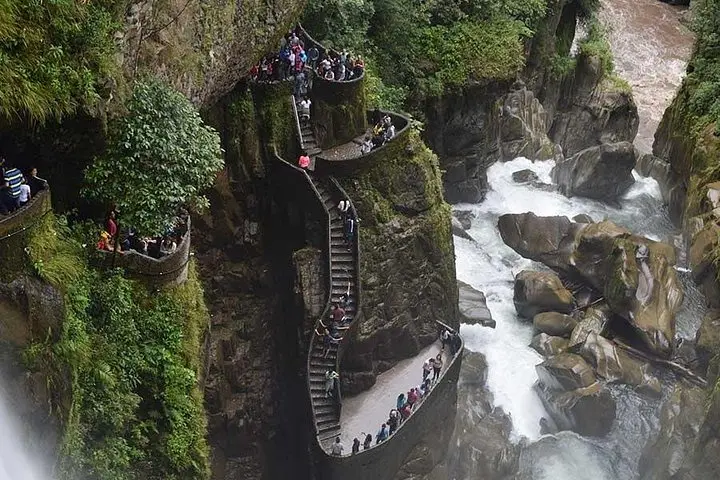
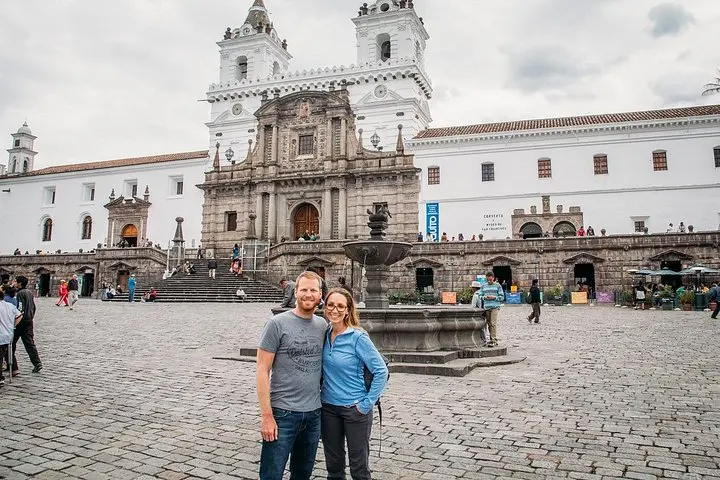
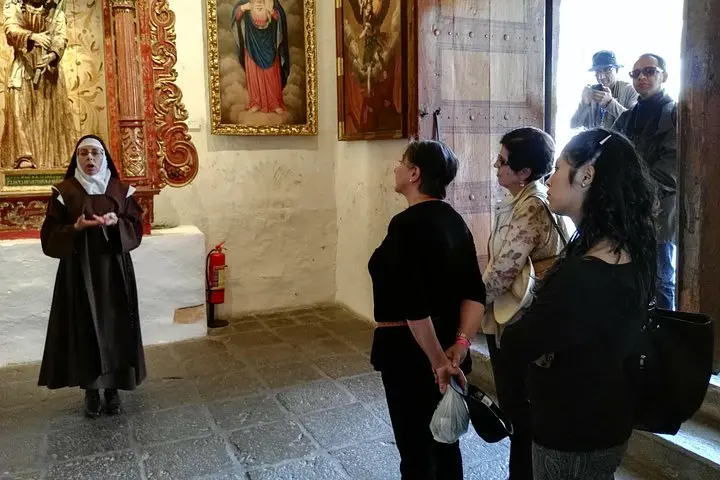
The trip is a study in contrasts. Quito’s baroque churches and narrow alleys date to the 16th century Spanish foundation, built atop indigenous roads and volcanic stone. Southward, Baños owes its rugged character to a line of hot springs and waterfalls carved by the Pastaza River, where El Pailón del Diablo throws spray like a curtain and carves dramatic plunge pools below. Cuenca’s red-tiled roofs and Calderón’s parks show a softer colonial order before the itinerary shifts to Guayaquil’s riverfront bustle and then to Santa Cruz Island, where Darwin’s careful notes echo along the trails and at the Charles Darwin Research Station.
Geology sets the spine of this journey: Andean uplift, explosive volcanic flows, and the oceanic hot spot that birthed the Galapagos archipelago. Those islands read like a field lab — lava tunnels, salt-scrub plains and beaches built of coral skeletons rather than continental sand. Culture threads through every stop: artisan hat-makers in Cuenca, market vendors in Quito, and a boatman’s calls in Puerto Ayora that still carry the economy of small‑scale tourism.
Practical sense governs the pleasure. Expect early transfers, boat rides between islands, and several moderate hikes — Tortuga Bay is a 45‑minute walk over flat coastal scrub, while Pailón del Diablo involves slick stairs and close mist. Snorkeling is a highlight: waters can be cool and surprisingly choppy; reef‑safe sunscreen and a snug mask matter as much as curiosity. Guides here balance natural history with conservation requirements — biosecurity checks, no feeding or touching wildlife, and strict anchoring rules to protect reefs.
For planning: pack layers for high altitude Quito mornings and sturdy shoes for waterfalls and lava tunnels; bring reef‑safe sun protection, a quick‑dry swimsuit, and a light daypack with a dry bag for boat days. Time your camera for golden hour at the Turi viewpoint in Cuenca and sunrise on Tortuga Bay. Finally, leave room in your schedule for unplanned moments: a local café in La Floresta, a tortoise ambling in a ranch, or a quiet shoreline watching frigate birds fractal across the heat shimmer. Those unscripted minutes are where this itinerary stops feeling like a list of places and starts feeling like a trip.
Routine vaccinations are recommended; consult your doctor for yellow fever and other region‑specific guidance well before travel.
Very strict — your luggage will be inspected for organic matter, and visitors must follow guidelines to avoid introducing non‑native species.
Yes — many shore excursions and viewpoints offer wildlife viewing without swimming; snorkeling is optional and usually guided.
Some transfers are multi‑hour (Quito to Baños, Cuenca to Guayaquil); the itinerary spaces these with rest afternoons to reduce fatigue.
Breakfasts are included most days with additional lunches and dinners on specific island days as listed in the itinerary.
Tortuga Bay involves a 45‑minute flat walk; Pailón del Diablo features steps and wet surfaces—moderate mobility and caution required.
BM TOURS SA operates guided outdoor trips and adventures with an emphasis on safety, stewardship, and memorable experiences.
A damp morning in Quito feels like the beginning of a story. The city sits just south of the equatorial line, where steam from coffee stalls and the metallic scent of rain hang in the air while the Andes sharpen into knife-edge ridges. On this 12‑day route, travelers move from colonial plazas and highland markets into rainforest cascades and, finally, the volcanic white beaches and cobalt seas of the Galapagos — each day rearranging the map in the mind.
A damp morning in Quito feels like the beginning of a story. The city sits just south of the equatorial line, where steam from coffee stalls and the metallic scent of rain hang in the air while the Andes sharpen into knife-edge ridges. On this 12‑day route, travelers move from colonial plazas and highland markets into rainforest cascades and, finally, the volcanic white beaches and cobalt seas of the Galapagos — each day rearranging the map in the mind.
The trip is a study in contrasts. Quito’s baroque churches and narrow alleys date to the 16th century Spanish foundation, built atop indigenous roads and volcanic stone. Southward, Baños owes its rugged character to a line of hot springs and waterfalls carved by the Pastaza River, where El Pailón del Diablo throws spray like a curtain and carves dramatic plunge pools below. Cuenca’s red-tiled roofs and Calderón’s parks show a softer colonial order before the itinerary shifts to Guayaquil’s riverfront bustle and then to Santa Cruz Island, where Darwin’s careful notes echo along the trails and at the Charles Darwin Research Station.
Geology sets the spine of this journey: Andean uplift, explosive volcanic flows, and the oceanic hot spot that birthed the Galapagos archipelago. Those islands read like a field lab — lava tunnels, salt-scrub plains and beaches built of coral skeletons rather than continental sand. Culture threads through every stop: artisan hat-makers in Cuenca, market vendors in Quito, and a boatman’s calls in Puerto Ayora that still carry the economy of small‑scale tourism.
Practical sense governs the pleasure. Expect early transfers, boat rides between islands, and several moderate hikes — Tortuga Bay is a 45‑minute walk over flat coastal scrub, while Pailón del Diablo involves slick stairs and close mist. Snorkeling is a highlight: waters can be cool and surprisingly choppy; reef‑safe sunscreen and a snug mask matter as much as curiosity. Guides here balance natural history with conservation requirements — biosecurity checks, no feeding or touching wildlife, and strict anchoring rules to protect reefs.
For planning: pack layers for high altitude Quito mornings and sturdy shoes for waterfalls and lava tunnels; bring reef‑safe sun protection, a quick‑dry swimsuit, and a light daypack with a dry bag for boat days. Time your camera for golden hour at the Turi viewpoint in Cuenca and sunrise on Tortuga Bay. Finally, leave room in your schedule for unplanned moments: a local café in La Floresta, a tortoise ambling in a ranch, or a quiet shoreline watching frigate birds fractal across the heat shimmer. Those unscripted minutes are where this itinerary stops feeling like a list of places and starts feeling like a trip.