THE ADVENTURE COLLECTIVE® · Independent discovery and booking for outdoor travel

A 12-day guided trek from Lukla to Everest Base Camp and Kala Patthar, this itinerary balances acclimatization with panoramic summit views. Expect lodge nights, high-altitude walking and a pre-dawn climb for sunrise over Everest.
A 12-day guided trek from Lukla to Everest Base Camp and Kala Patthar, this itinerary balances acclimatization with panoramic summit views. Expect lodge nights, high-altitude walking and a pre-dawn climb for sunrise over Everest.
The air thins and the trail narrows as small lodges and prayer flags reappear between stone walls — you are moving up the Khumbu valley toward Everest Base Camp. Mornings begin with the clack of boots and tea kettles; afternoons deliver hard-earned panoramas of Lhotse, Nuptse and the serrated ridge of Ama Dablam. By day eight the rocky moraine of the Khumbu Glacier frames the final approach to Base Camp; by day nine a pre-dawn climb to Kala Patthar sells the sunrise in gold and ice.
Verified experiences and guided adventures in the surrounding area.
Operated by Outfitter Himalaya Holidays P. Ltd · Gorak Shep, Province No. 1
The air thins and the trail narrows as small lodges and prayer flags reappear between stone walls — you are moving up the Khumbu valley toward Everest Base Camp. Mornings begin with the clack of boots and tea kettles; afternoons deliver hard-earned panoramas of Lhotse, Nuptse and the serrated ridge of Ama Dablam. By day eight the rocky moraine of the Khumbu Glacier frames the final approach to Base Camp; by day nine a pre-dawn climb to Kala Patthar sells the sunrise in gold and ice.
This route follows a long human history of trade and Sherpa culture. The Khumbu sits on uplifted Himalayan geology: glacial moraines, jagged granites and hanging valleys carved by ice. Villages such as Namche Bazaar and Tengboche are cultural hubs—monasteries, mani walls and seasonal markets that grew around trade routes to Tibet.
Expect lodge-to-lodge trekking on narrow, often rocky singletrack with multiple river crossings and long ascents to 5500m+ (Kala Patthar). The itinerary builds acclimatization days in Namche and Dingboche and includes a scenic Lukla flight at each end. Weather turns quickly: clear, cold mornings often give way to wind and afternoon cloud.
Practical guidance: train with progressive long hikes carrying a loaded pack, plan for 4–7 hours walking most days, and prioritize hydration and gradual ascent to reduce altitude illness risk. Pack layers, a warm sleeping bag, and a small first-aid kit. Book flights to Lukla with buffer days and ensure Sagarmatha National Park and TIMS permits are arranged. With preparation, the trek is a stretching, elemental encounter—equal parts cultural immersion and alpine route-finding.
Yes — a Sagarmatha National Park entry permit and a TIMS card are required; guides or operators normally arrange these before departure.
Lukla flights are scenic but weather-sensitive; delays and cancellations are common in monsoon and winter—allow buffer days in your schedule.
No — the standard Everest Base Camp trek to EBC and Kala Patthar is non-technical trekking, but high-altitude experience and fitness are important.
October–November and March–May offer the most stable weather and clear mountain views; shoulder seasons trade visibility for fewer crowds.
Outfitter Himalaya Holidays P. Ltd operates guided outdoor trips and adventures with an emphasis on safety, stewardship, and memorable experiences.
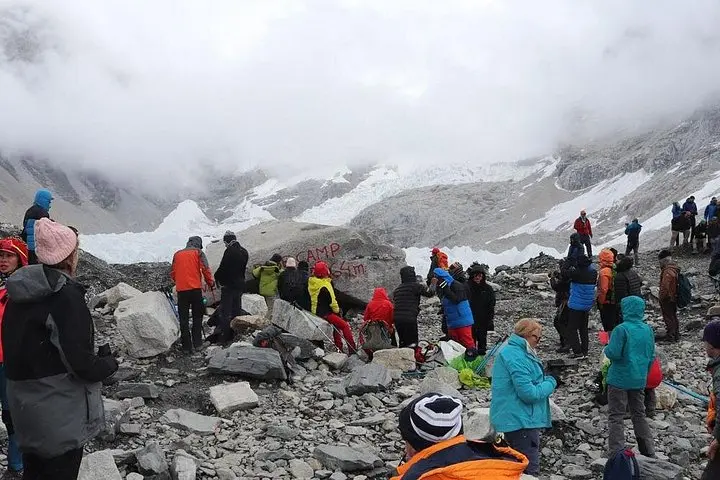
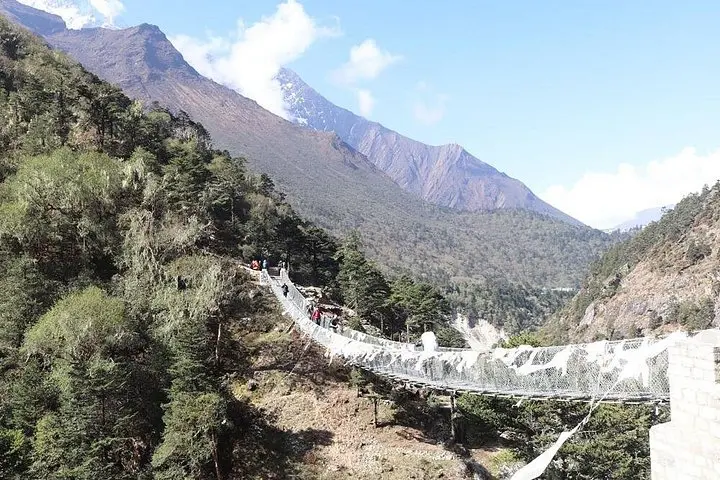
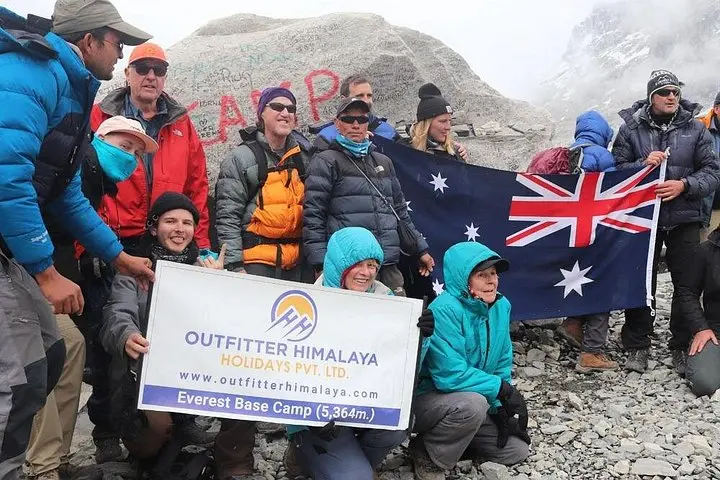
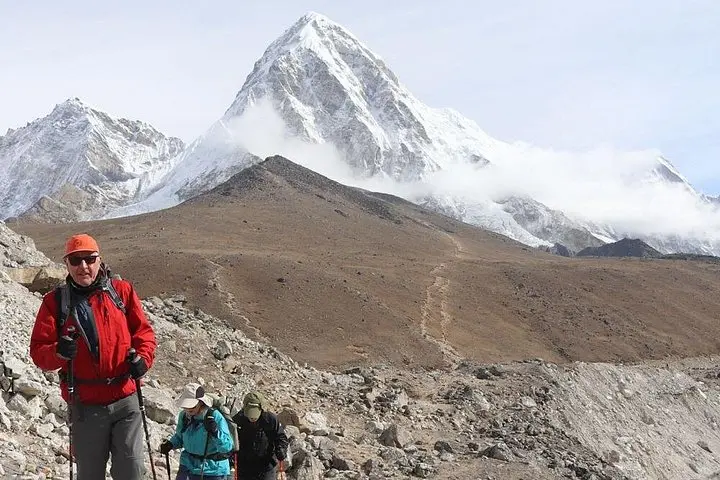
The air thins and the trail narrows as small lodges and prayer flags reappear between stone walls — you are moving up the Khumbu valley toward Everest Base Camp. Mornings begin with the clack of boots and tea kettles; afternoons deliver hard-earned panoramas of Lhotse, Nuptse and the serrated ridge of Ama Dablam. By day eight the rocky moraine of the Khumbu Glacier frames the final approach to Base Camp; by day nine a pre-dawn climb to Kala Patthar sells the sunrise in gold and ice.
The air thins and the trail narrows as small lodges and prayer flags reappear between stone walls — you are moving up the Khumbu valley toward Everest Base Camp. Mornings begin with the clack of boots and tea kettles; afternoons deliver hard-earned panoramas of Lhotse, Nuptse and the serrated ridge of Ama Dablam. By day eight the rocky moraine of the Khumbu Glacier frames the final approach to Base Camp; by day nine a pre-dawn climb to Kala Patthar sells the sunrise in gold and ice.
This route follows a long human history of trade and Sherpa culture. The Khumbu sits on uplifted Himalayan geology: glacial moraines, jagged granites and hanging valleys carved by ice. Villages such as Namche Bazaar and Tengboche are cultural hubs—monasteries, mani walls and seasonal markets that grew around trade routes to Tibet.
Expect lodge-to-lodge trekking on narrow, often rocky singletrack with multiple river crossings and long ascents to 5500m+ (Kala Patthar). The itinerary builds acclimatization days in Namche and Dingboche and includes a scenic Lukla flight at each end. Weather turns quickly: clear, cold mornings often give way to wind and afternoon cloud.
Practical guidance: train with progressive long hikes carrying a loaded pack, plan for 4–7 hours walking most days, and prioritize hydration and gradual ascent to reduce altitude illness risk. Pack layers, a warm sleeping bag, and a small first-aid kit. Book flights to Lukla with buffer days and ensure Sagarmatha National Park and TIMS permits are arranged. With preparation, the trek is a stretching, elemental encounter—equal parts cultural immersion and alpine route-finding.