THE ADVENTURE COLLECTIVE® · Independent discovery and booking for outdoor travel

Fly into Lukla and follow high trails through Sherpa villages to Everest Base Camp and Kala Patthar. This 12-day itinerary balances acclimatization and long days on rugged alpine terrain for those prepared for sustained altitude.
Fly into Lukla and follow high trails through Sherpa villages to Everest Base Camp and Kala Patthar. This 12-day itinerary balances acclimatization and long days on rugged alpine terrain for those prepared for sustained altitude.
Wind strips the pre-dawn cold from your face as the plane banks toward Lukla's tiny runway; below, ridgelines and prayer flags stitch human life into the high Himalaya.
Verified experiences and guided adventures in the surrounding area.
Operated by Treklanders Adventures · Kathmandu, Bagmati Province
Wind strips the pre-dawn cold from your face as the plane banks toward Lukla's tiny runway; below, ridgelines and prayer flags stitch human life into the high Himalaya.
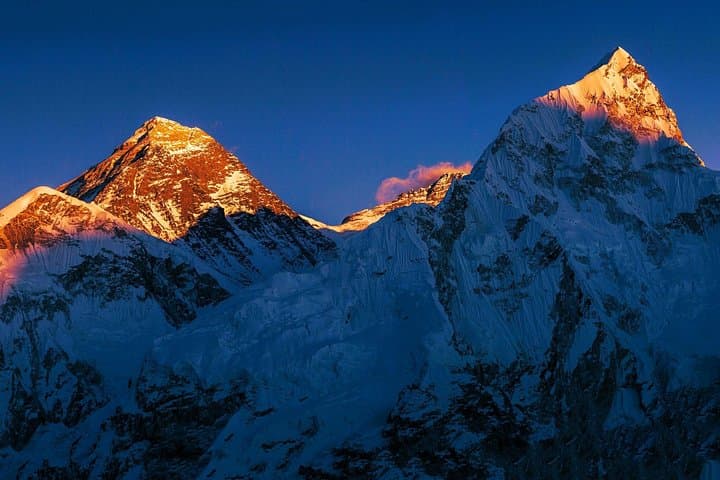
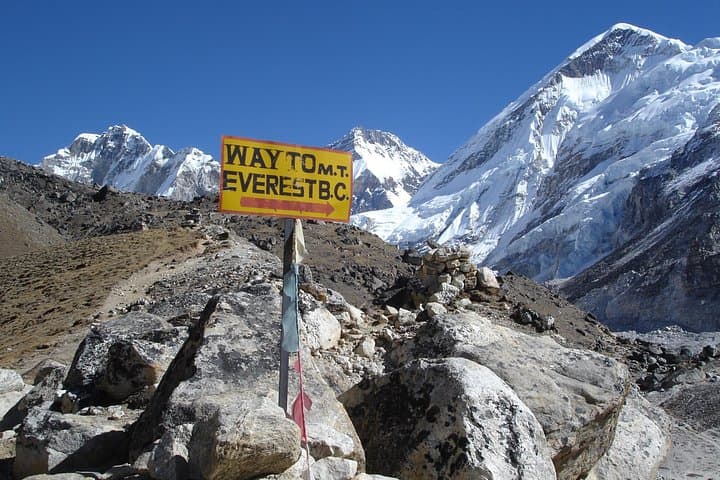
The 12-day Everest Base Camp trek moves you from Kathmandu's heat to the thin, luminous air around Gorak Shep and Kala Patthar, where Everest and its neighbors dominate the horizon.
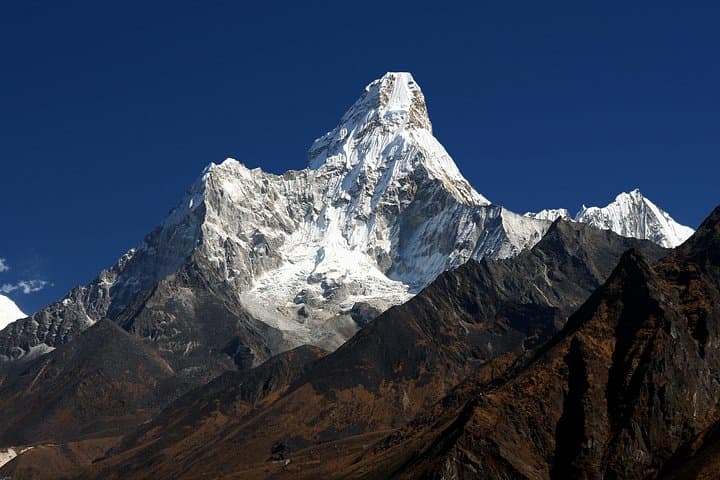
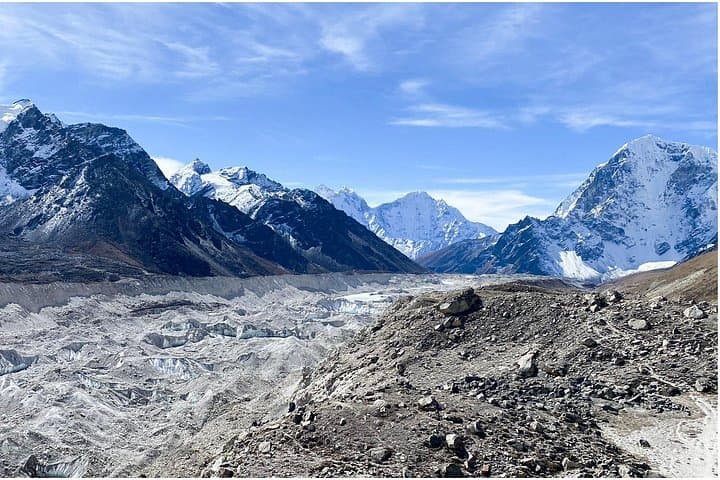
The route follows centuries-old trade paths used by Sherpa communities and salt caravans. Geology is raw here: moraines, glacial icefalls like the Khumbu, and steep, recently uplifted rock of the Mahalangur Himal expose active mountain-building processes. Sherpa culture is visible in mani walls, gompas, and tea-house hospitality that eases long days on the trail.
Expect daily walking of four to seven hours over uneven stone steps, suspension bridges, and high-altitude scree. Key highlights include Namche Bazaar's market energy, Tengboche Monastery's ritual bells, the moraine vistas near Lobuche, and sunrise from Kala Patthar (≈5,545 m), which rewards acclimatized lungs with panoramic light on Everest.
Practical planning matters: allow for acclimatization days in Namche and Dingboche, carry layered clothing for large temperature swings, and plan your calendar for spring (pre-monsoon) or autumn for the clearest views. Hydrate steadily, use trekking poles to manage steep descents, and budget for a porter and contingency days in Kathmandu for flight delays from Lukla. Tea-house accommodations are basic—bring a warm sleeping liner and conserve battery power; cellular service is intermittent but available in larger villages. Book permits and domestic flights early; weather and runway closures often force schedule changes.
Yes—trekking in this region requires permits including the Sagarmatha National Park entry permit and TIMS; your operator usually handles these.
Pre-monsoon spring (April–May) and post-monsoon autumn (late September–November) offer the clearest weather and views.
Altitude is the main challenge—this itinerary includes acclimatization days, but trekkers must monitor symptoms and descend if feeling unwell.
Tea houses are basic lodges offering shared rooms, simple meals, and limited hot water; expect modest comforts and slow charging options.
Treklanders Adventures operates guided outdoor trips and adventures with an emphasis on safety, stewardship, and memorable experiences.
Wind strips the pre-dawn cold from your face as the plane banks toward Lukla's tiny runway; below, ridgelines and prayer flags stitch human life into the high Himalaya.
Wind strips the pre-dawn cold from your face as the plane banks toward Lukla's tiny runway; below, ridgelines and prayer flags stitch human life into the high Himalaya.
The 12-day Everest Base Camp trek moves you from Kathmandu's heat to the thin, luminous air around Gorak Shep and Kala Patthar, where Everest and its neighbors dominate the horizon.
The route follows centuries-old trade paths used by Sherpa communities and salt caravans. Geology is raw here: moraines, glacial icefalls like the Khumbu, and steep, recently uplifted rock of the Mahalangur Himal expose active mountain-building processes. Sherpa culture is visible in mani walls, gompas, and tea-house hospitality that eases long days on the trail.
Expect daily walking of four to seven hours over uneven stone steps, suspension bridges, and high-altitude scree. Key highlights include Namche Bazaar's market energy, Tengboche Monastery's ritual bells, the moraine vistas near Lobuche, and sunrise from Kala Patthar (≈5,545 m), which rewards acclimatized lungs with panoramic light on Everest.
Practical planning matters: allow for acclimatization days in Namche and Dingboche, carry layered clothing for large temperature swings, and plan your calendar for spring (pre-monsoon) or autumn for the clearest views. Hydrate steadily, use trekking poles to manage steep descents, and budget for a porter and contingency days in Kathmandu for flight delays from Lukla. Tea-house accommodations are basic—bring a warm sleeping liner and conserve battery power; cellular service is intermittent but available in larger villages. Book permits and domestic flights early; weather and runway closures often force schedule changes.