THE ADVENTURE COLLECTIVE® · Independent discovery and booking for outdoor travel

A 12-day, teahouse-supported trek from Lukla to Everest Base Camp and Kala Patthar. Expect steep gains, high-altitude vistas, Sherpa culture, and logistical essentials like Lukla flights and permits.
A 12-day, teahouse-supported trek from Lukla to Everest Base Camp and Kala Patthar. Expect steep gains, high-altitude vistas, Sherpa culture, and logistical essentials like Lukla flights and permits.
A thin ribbon of dust and prayer flags arcs up from Lukla airstrip, and the trail immediately begins its conversation with the high Himalaya — river, rhododendron, and the steady clop of porter feet. By midweek the trees give way to moraine and sky; peaks edge the horizon and the wind starts to have a voice of its own.
Verified experiences and guided adventures in the surrounding area.
Operated by Blissful Himalayas · Lukla, Province No. 1
A thin ribbon of dust and prayer flags arcs up from Lukla airstrip, and the trail immediately begins its conversation with the high Himalaya — river, rhododendron, and the steady clop of porter feet. By midweek the trees give way to moraine and sky; peaks edge the horizon and the wind starts to have a voice of its own.
This route traverses the eastern foothills of Sagarmatha (Everest) National Park, a landscape carved by glaciers and uplifted by the collision of the Indian and Eurasian plates. Sherpa villages like Namche and Tengboche are living hubs of Himalayan culture: mani stones, chhortens, and centuries of high-altitude trade. Tenboche Monastery offers a daily rhythm of prayers and butter lamps that speak to the region’s Tibetan Buddhist heritage.
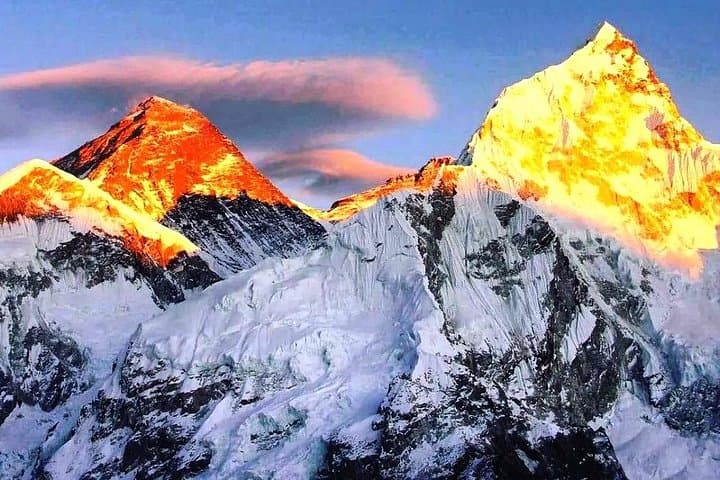
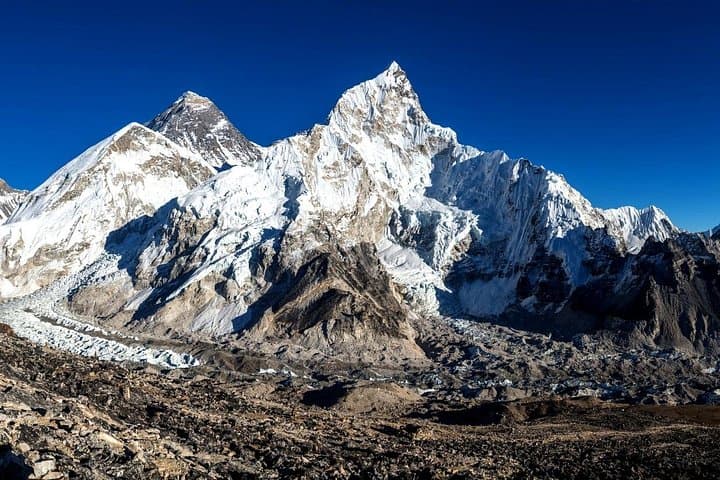
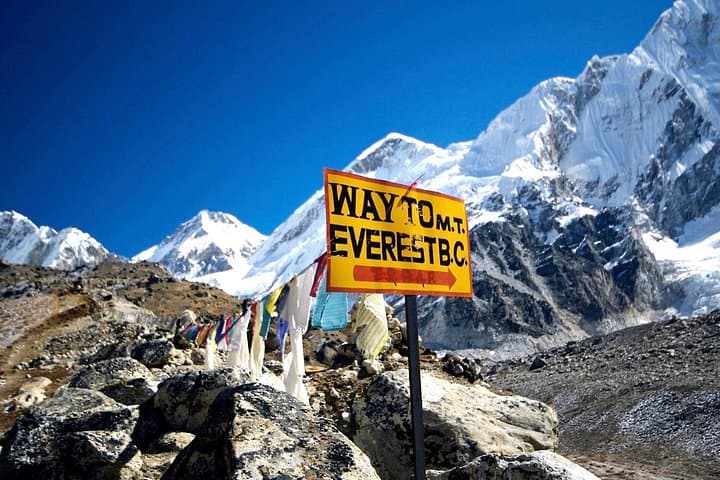
Expect 10–12 days of progressive altitude gain with planned acclimatization days in Namche and Dingboche; highest points include Gorak Shep, Everest Base Camp (≈5,360m), and sunrise on Kala Patthar (≈5,545m). Terrain alternates from river-valley trails and suspension bridges to rocky moraines and packed snow late in the season. Weather swings quickly — clear, glittering mornings can flip to wind and snow by afternoon.
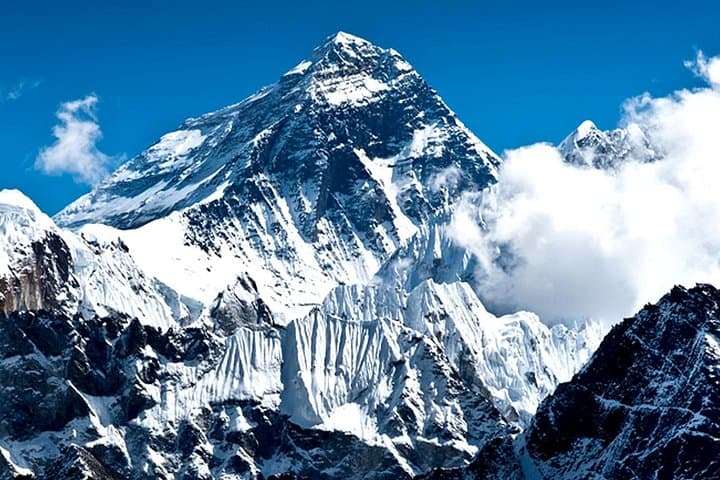
Practical guide: train with long hikes and elevation gain, use a layering system, and build slow ascents into your schedule. Hydrate, monitor for altitude symptoms, and make use of the included permits and local guide expertise. Logistics include a Lukla flight, teahouse nights, and basic meals; packing light and keeping boots well-broken will make steep, rocky days easier. The trek rewards patience with raw, close-range views of Everest and an up-close education in mountain life.
Yes — Sagarmatha National Park permit and a TIMS card are required; this itinerary includes them.
Lukla flights are short but weather-dependent; they offer dramatic mountain approaches and can be delayed, so schedule buffer time in Kathmandu.
Spring (Mar–May) and fall (Sep–Nov) offer the clearest conditions and milder temperatures; monsoon brings heavy clouds and winter brings deep cold and higher risk of flight cancellations.
Porters are commonly used to carry heavier bags for an extra fee; daypack should hold water, layers, documents, and camera gear.
Blissful Himalayas operates guided outdoor trips and adventures with an emphasis on safety, stewardship, and memorable experiences.
A thin ribbon of dust and prayer flags arcs up from Lukla airstrip, and the trail immediately begins its conversation with the high Himalaya — river, rhododendron, and the steady clop of porter feet. By midweek the trees give way to moraine and sky; peaks edge the horizon and the wind starts to have a voice of its own.
A thin ribbon of dust and prayer flags arcs up from Lukla airstrip, and the trail immediately begins its conversation with the high Himalaya — river, rhododendron, and the steady clop of porter feet. By midweek the trees give way to moraine and sky; peaks edge the horizon and the wind starts to have a voice of its own.
This route traverses the eastern foothills of Sagarmatha (Everest) National Park, a landscape carved by glaciers and uplifted by the collision of the Indian and Eurasian plates. Sherpa villages like Namche and Tengboche are living hubs of Himalayan culture: mani stones, chhortens, and centuries of high-altitude trade. Tenboche Monastery offers a daily rhythm of prayers and butter lamps that speak to the region’s Tibetan Buddhist heritage.
Expect 10–12 days of progressive altitude gain with planned acclimatization days in Namche and Dingboche; highest points include Gorak Shep, Everest Base Camp (≈5,360m), and sunrise on Kala Patthar (≈5,545m). Terrain alternates from river-valley trails and suspension bridges to rocky moraines and packed snow late in the season. Weather swings quickly — clear, glittering mornings can flip to wind and snow by afternoon.
Practical guide: train with long hikes and elevation gain, use a layering system, and build slow ascents into your schedule. Hydrate, monitor for altitude symptoms, and make use of the included permits and local guide expertise. Logistics include a Lukla flight, teahouse nights, and basic meals; packing light and keeping boots well-broken will make steep, rocky days easier. The trek rewards patience with raw, close-range views of Everest and an up-close education in mountain life.