THE ADVENTURE COLLECTIVE® · Independent discovery and booking for outdoor travel

Trek 12 days from Lukla to Dingboche, passing Namche Bazaar, Tengboche monastery and expansive views of Ama Dablam. This high-altitude route blends Sherpa culture, glacier-sculpted geology and teahouse logistics—ideal for fit trekkers prepared for thin air and changing weather.
Trek 12 days from Lukla to Dingboche, passing Namche Bazaar, Tengboche monastery and expansive views of Ama Dablam. This high-altitude route blends Sherpa culture, glacier-sculpted geology and teahouse logistics—ideal for fit trekkers prepared for thin air and changing weather.
A thin light creeps over the ridgelines as your plane drops toward Lukla and the valley seems to hold its breath. You step onto a narrow airstrip, shoulder the pack your porter has handed over, and begin the steady climb toward Namche Bazaar — the trading village that has long bridged Tibetan plateaus and Nepali lowlands.
Verified experiences and guided adventures in the surrounding area.
Operated by Osho world Adventure · Dingboche, Province No. 1
A thin light creeps over the ridgelines as your plane drops toward Lukla and the valley seems to hold its breath. You step onto a narrow airstrip, shoulder the pack your porter has handed over, and begin the steady climb toward Namche Bazaar — the trading village that has long bridged Tibetan plateaus and Nepali lowlands.
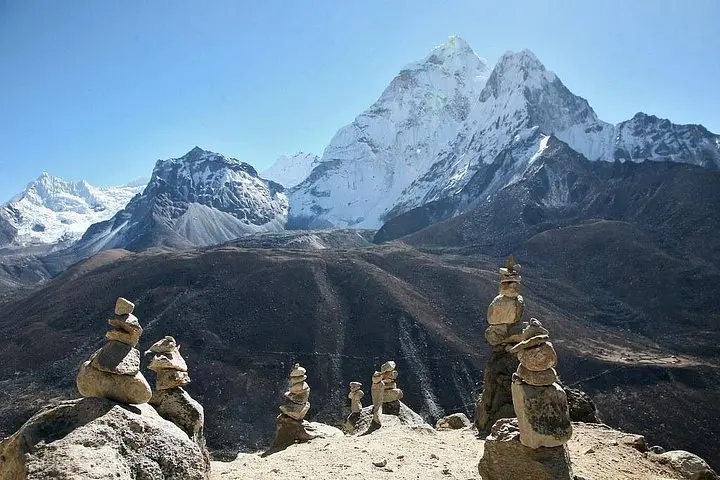
The route follows ancient trade tracks and stone-pitched paths, winding through rhododendron forest and scrub, then opening onto high, stony meadows where Ama Dablam punctures the skyline. Sherpa villages mark each day: teahouses with shared rooms, prayer flags snapping at the ridge, and Tengboche’s monastery offering a clear view and a lesson in Himalayan Buddhism. Geologically, you move from river-cut valleys to moraine-strewn basins carved by Pleistocene ice; the air thins and the landscape becomes raw and luminous.
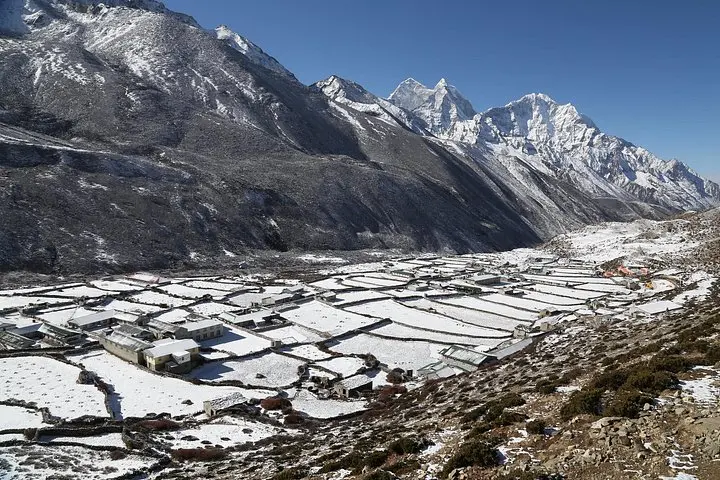
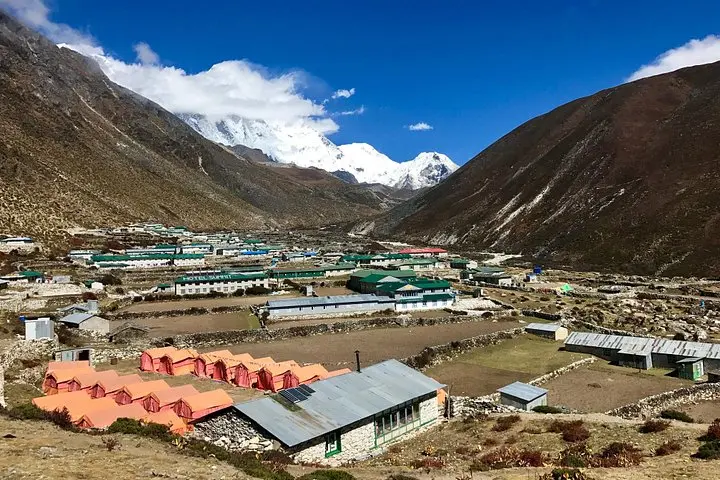
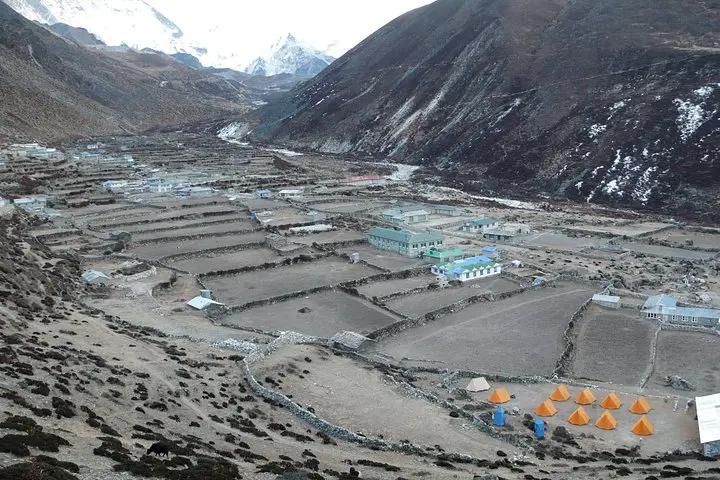
Expect long walking days, altitude shifts, and a rhythm of breakfast, trek, hot lunch, and dusk cups of tea. Dingboche sits at high altitude with expansive views of island-like peaks and glacial tongues daring you to keep higher ground. Local insights: carry small notes for teahouse tips, respect monastery etiquette, and follow guide advice on acclimatization.
Practical guidance: train with long hikes and elevation gain, bring layers for wide temperature swings, and plan flights to Lukla as weather-dependent. Hydration, slow pacing, and listening to your guide are the difference between a memorable ascent and an unnecessary evacuation. The trek is rewarding for its people, high-mountain vistas, and the steady, human-scale challenge of moving upward together.
Yes—Everest National Park permits and a TIMS card are required and usually handled by the operator before departure.
Typical days range from 4–7 hours with varied elevation gain; some days include sustained ascents to aid acclimatization.
No—flights are weather-dependent; contingency days are recommended because Lukla can be delayed by wind or low clouds.
Acute mountain sickness is a real risk—acclimatize gradually, stay hydrated, and follow your guide’s instructions; descent is the primary treatment if symptoms worsen.
Osho world Adventure operates guided outdoor trips and adventures with an emphasis on safety, stewardship, and memorable experiences.
A thin light creeps over the ridgelines as your plane drops toward Lukla and the valley seems to hold its breath. You step onto a narrow airstrip, shoulder the pack your porter has handed over, and begin the steady climb toward Namche Bazaar — the trading village that has long bridged Tibetan plateaus and Nepali lowlands.
A thin light creeps over the ridgelines as your plane drops toward Lukla and the valley seems to hold its breath. You step onto a narrow airstrip, shoulder the pack your porter has handed over, and begin the steady climb toward Namche Bazaar — the trading village that has long bridged Tibetan plateaus and Nepali lowlands.
The route follows ancient trade tracks and stone-pitched paths, winding through rhododendron forest and scrub, then opening onto high, stony meadows where Ama Dablam punctures the skyline. Sherpa villages mark each day: teahouses with shared rooms, prayer flags snapping at the ridge, and Tengboche’s monastery offering a clear view and a lesson in Himalayan Buddhism. Geologically, you move from river-cut valleys to moraine-strewn basins carved by Pleistocene ice; the air thins and the landscape becomes raw and luminous.
Expect long walking days, altitude shifts, and a rhythm of breakfast, trek, hot lunch, and dusk cups of tea. Dingboche sits at high altitude with expansive views of island-like peaks and glacial tongues daring you to keep higher ground. Local insights: carry small notes for teahouse tips, respect monastery etiquette, and follow guide advice on acclimatization.
Practical guidance: train with long hikes and elevation gain, bring layers for wide temperature swings, and plan flights to Lukla as weather-dependent. Hydration, slow pacing, and listening to your guide are the difference between a memorable ascent and an unnecessary evacuation. The trek is rewarding for its people, high-mountain vistas, and the steady, human-scale challenge of moving upward together.