THE ADVENTURE COLLECTIVE® · Independent discovery and booking for outdoor travel

A 12‑day island‑hopping route through the Galápagos that blends guided snorkeling at Kicker Rock, tortoise encounters in Santa Cruz highlands, and volcanic‑rock explorations on Isabela. Expect early speedboats, wet landings and close wildlife encounters.
A 12‑day island‑hopping route through the Galápagos that blends guided snorkeling at Kicker Rock, tortoise encounters in Santa Cruz highlands, and volcanic‑rock explorations on Isabela. Expect early speedboats, wet landings and close wildlife encounters.
The first light in Puerto Baquerizo Moreno cuts across a low cloud bank and paints the harbor a hard silver; pelicans wheel like punctuation marks and the ocean smells of salt and volcanic stone. On Day One, travelers meet an English‑speaking coordinator, shoulder small bags into a compact van and begin the sort of travel that alternates between organized rhythm and freewheeling island time: speedboats that chatter across channels, short hikes over lava-strewn trails, and snorkels in water that seems lit from below.
Verified experiences and guided adventures in the surrounding area.
Operated by Rebecca Adventure Travel · Puerto Baquerizo Moreno, Galápagos
The first light in Puerto Baquerizo Moreno cuts across a low cloud bank and paints the harbor a hard silver; pelicans wheel like punctuation marks and the ocean smells of salt and volcanic stone. On Day One, travelers meet an English‑speaking coordinator, shoulder small bags into a compact van and begin the sort of travel that alternates between organized rhythm and freewheeling island time: speedboats that chatter across channels, short hikes over lava-strewn trails, and snorkels in water that seems lit from below.
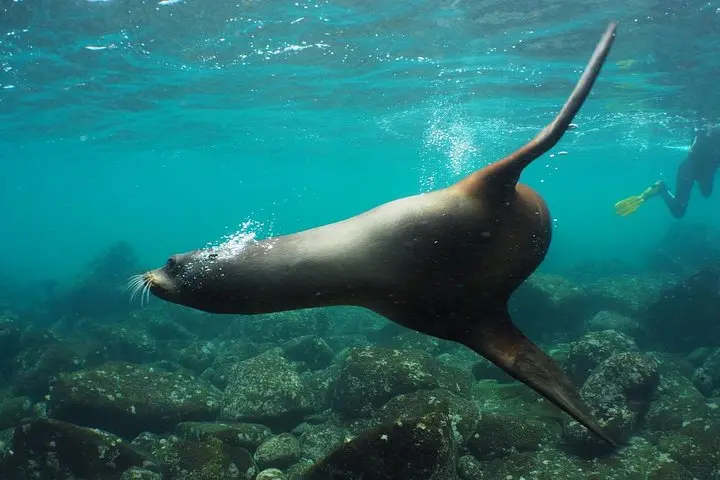
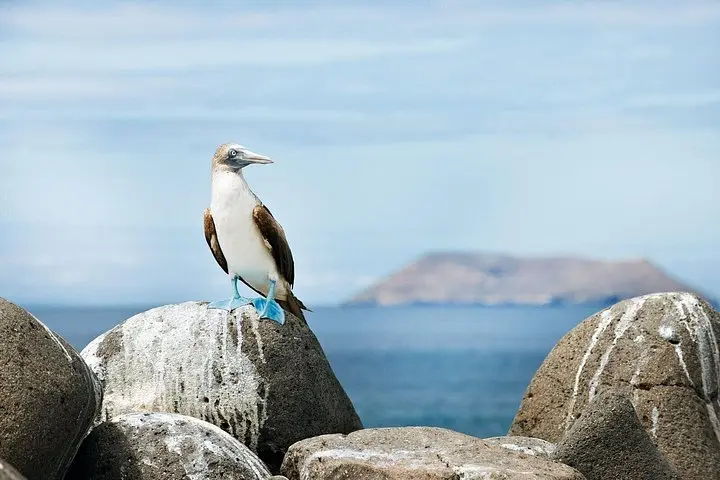
The itinerary reads like a primer in Galápagos geology and biology. Kicker Rock—León Dormido—is a jagged remnant of an ancient volcanic cone standing sentinel offshore; its vertical faces host nesting boobies while the channel between dares currents to come through, funneling nutrients that feed a surprising abundance of marine life. On San Cristóbal, El Junco crater lake offers freshwater in a sea of salt, and the highlands hold giant tortoises slow as history itself. Isabela’s Los Túneles reveals sculpted lava arches and shallow channels where penguins, rays and rare sea horses find shelter.
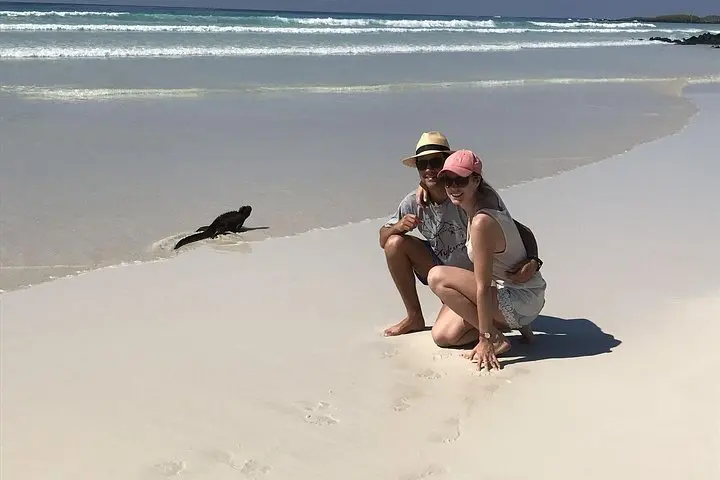
Human history here is short but intense: whalers, sailors and scientific expeditions reshaped the islands’ contact with the world, and the Galápagos National Park—established in 1959—now manages access to protect endemic species. The archipelago’s black basalt and coral sand tell the islands’ origins: volcanic eruptions at the Nazca plate hotspot, then the slow work of waves and life creating beaches and mangrove lagoons.
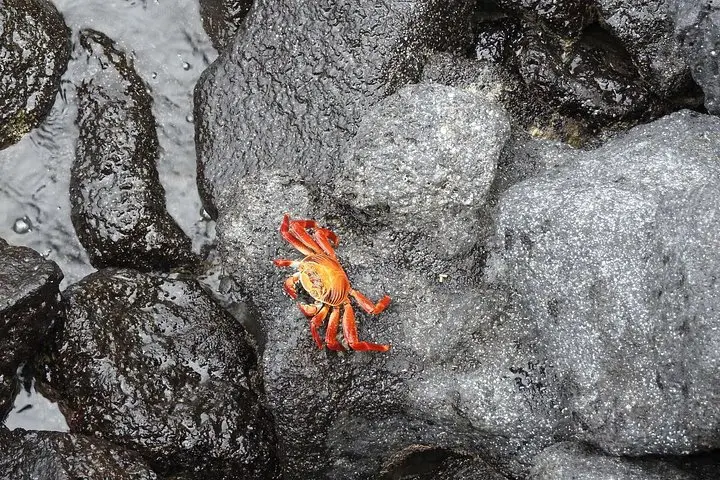
Practical travel realities thread through the romance. This is a 12‑day, multi‑island program with 11 nights of accommodation, mixed guided day tours and unguided time. Expect multiple public speedboat transfers (including an early 06:00 crossing to Santa Cruz), wet landings on rocky shores, and snorkels in open ocean where currents can be strong—guides provide equipment and briefings. Pack light; local transport is compact and luggage space limited. Bring reef‑safe sunscreen, a lightweight wetsuit if you’re sensitive to cool water, and closed shoes for Tintoreras and Los Túneles volcanic rock. Healthwise, the park charges an entry fee on arrival (non‑resident adults), and travelers should carry travel and medical insurance.
In short: the Galápagos here is a managed wild—dramatic shorelines that push and prod you to look closer, and carefully staged encounters designed to minimize impact while maximizing sightings. For travelers prepared for active days, early starts and ocean conditions, the reward is intimate contact with species you won’t find anywhere else.
Yes—non‑resident visitors pay the Galápagos National Park entry fee on arrival (carry cash in USD); the operator will note exact charges in your travel voucher.
Space is limited on local transport and speedboats—travel light with small, soft bags; large suitcases may incur extra handling or restrictions.
Wetsuits are provided when seasonal water temperatures or jellyfish require them, but bringing your own shorty is more comfortable for extended snorkels.
Hammerheads are seasonal and not guaranteed; Kicker Rock’s nutrient flow makes it a good spot for shark sightings, but currents can be strong.
The tour requires moderate fitness and comfort with boat transfers and open‑water snorkeling; check age limits with the operator and note wet landings can be challenging for young children.
Standard travel vaccinations apply; tap water is not recommended—drink bottled or purified water and follow food‑safety advice to avoid stomach upsets.
Rebecca Adventure Travel operates guided outdoor trips and adventures with an emphasis on safety, stewardship, and memorable experiences.
The first light in Puerto Baquerizo Moreno cuts across a low cloud bank and paints the harbor a hard silver; pelicans wheel like punctuation marks and the ocean smells of salt and volcanic stone. On Day One, travelers meet an English‑speaking coordinator, shoulder small bags into a compact van and begin the sort of travel that alternates between organized rhythm and freewheeling island time: speedboats that chatter across channels, short hikes over lava-strewn trails, and snorkels in water that seems lit from below.
The first light in Puerto Baquerizo Moreno cuts across a low cloud bank and paints the harbor a hard silver; pelicans wheel like punctuation marks and the ocean smells of salt and volcanic stone. On Day One, travelers meet an English‑speaking coordinator, shoulder small bags into a compact van and begin the sort of travel that alternates between organized rhythm and freewheeling island time: speedboats that chatter across channels, short hikes over lava-strewn trails, and snorkels in water that seems lit from below.
The itinerary reads like a primer in Galápagos geology and biology. Kicker Rock—León Dormido—is a jagged remnant of an ancient volcanic cone standing sentinel offshore; its vertical faces host nesting boobies while the channel between dares currents to come through, funneling nutrients that feed a surprising abundance of marine life. On San Cristóbal, El Junco crater lake offers freshwater in a sea of salt, and the highlands hold giant tortoises slow as history itself. Isabela’s Los Túneles reveals sculpted lava arches and shallow channels where penguins, rays and rare sea horses find shelter.
Human history here is short but intense: whalers, sailors and scientific expeditions reshaped the islands’ contact with the world, and the Galápagos National Park—established in 1959—now manages access to protect endemic species. The archipelago’s black basalt and coral sand tell the islands’ origins: volcanic eruptions at the Nazca plate hotspot, then the slow work of waves and life creating beaches and mangrove lagoons.
Practical travel realities thread through the romance. This is a 12‑day, multi‑island program with 11 nights of accommodation, mixed guided day tours and unguided time. Expect multiple public speedboat transfers (including an early 06:00 crossing to Santa Cruz), wet landings on rocky shores, and snorkels in open ocean where currents can be strong—guides provide equipment and briefings. Pack light; local transport is compact and luggage space limited. Bring reef‑safe sunscreen, a lightweight wetsuit if you’re sensitive to cool water, and closed shoes for Tintoreras and Los Túneles volcanic rock. Healthwise, the park charges an entry fee on arrival (non‑resident adults), and travelers should carry travel and medical insurance.
In short: the Galápagos here is a managed wild—dramatic shorelines that push and prod you to look closer, and carefully staged encounters designed to minimize impact while maximizing sightings. For travelers prepared for active days, early starts and ocean conditions, the reward is intimate contact with species you won’t find anywhere else.