THE ADVENTURE COLLECTIVE® · Independent discovery and booking for outdoor travel

A 12-day island loop that pairs active hikes, lava-tunnel boat trips and world-class snorkeling across Santa Cruz, Isabela and San Cristóbal. Expect volcano calderas, marine iguanas, and intimate conservation encounters—plus practical tips for island transfers and packing.
A 12-day island loop that pairs active hikes, lava-tunnel boat trips and world-class snorkeling across Santa Cruz, Isabela and San Cristóbal. Expect volcano calderas, marine iguanas, and intimate conservation encounters—plus practical tips for island transfers and packing.
Dawn in Puerto Ayora feels like a shipyard waking up beneath a bright, indifferent sky: fishing pangas bob, frigatebirds carve lazy shadows overhead, and the air tastes faintly of iron and salt. On this 12-day loop through Santa Cruz, Isabela and San Cristóbal, each island stages a different chapter—charred volcanic ridges that still whisper heat, mangroves that clutch neon fish, and beaches where sea lions expect you to make room.
Verified experiences and guided adventures in the surrounding area.
Operated by Perfect Destiny · Puerto Ayora, Galápagos
Dawn in Puerto Ayora feels like a shipyard waking up beneath a bright, indifferent sky: fishing pangas bob, frigatebirds carve lazy shadows overhead, and the air tastes faintly of iron and salt. On this 12-day loop through Santa Cruz, Isabela and San Cristóbal, each island stages a different chapter—charred volcanic ridges that still whisper heat, mangroves that clutch neon fish, and beaches where sea lions expect you to make room.
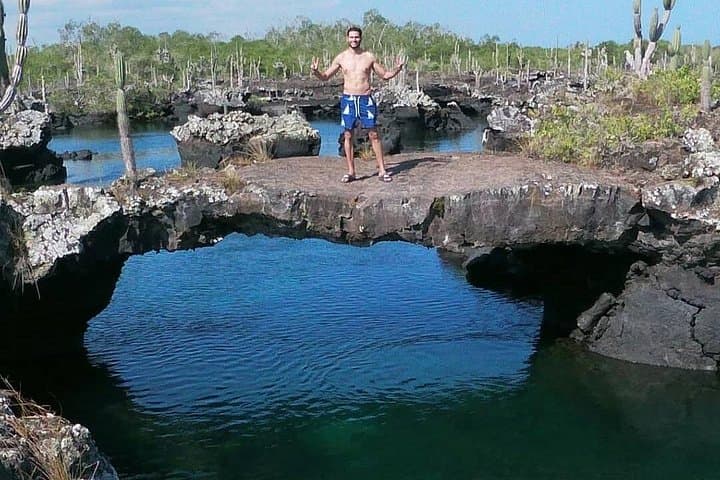
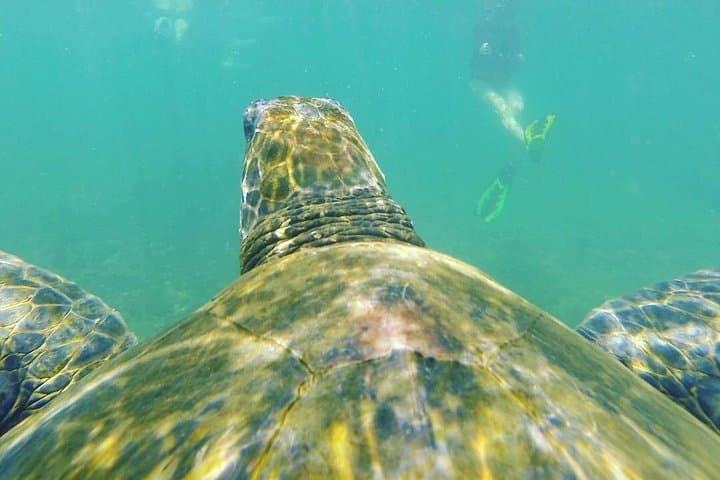
The itinerary moves deliberately: arrival and acclimatization on Santa Cruz, a ferry hop and wetlands on Isabela, multi-hour hikes to the Sierra Negra crater, lava-tunnel boat expeditions, snorkeling with turtles and rays, then the highland lagoons and Kicker Rock of San Cristóbal. Geology drives the drama here—young basalt flows and collapsed lava tubes create arches and “tunnels” that the ocean now navigates. Sierra Negra’s caldera, a roughly 10-kilometer basin with steaming fumaroles, reminds you the islands are still very much in progress.
Culturally, the Galápagos are a brittle human world grafted onto ancient volcanoes. Puerto Ayora and Puerto Villamil evolved around fishing and service for scientists; the Charles Darwin Research Station on Santa Cruz is both sanctuary and visitor center, where conservation history and modern protection measures are on active display. Local guides are bilingual and typically rooted in island life—ask about traditional fishing methods or the tortoise repatriation projects and you’ll hear practical, earnest answers.
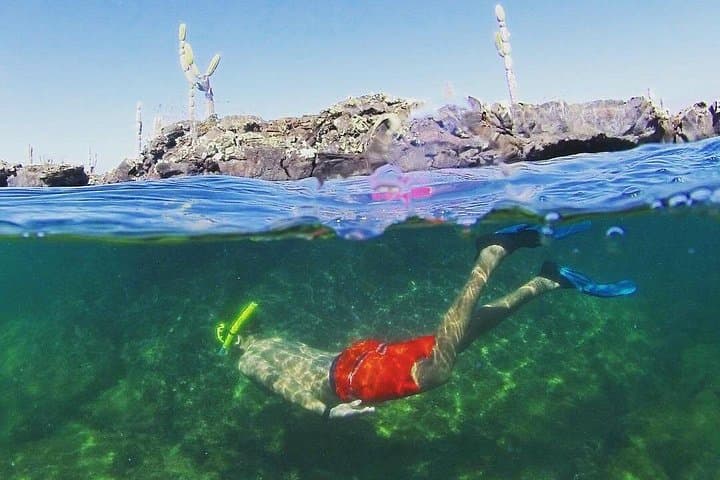
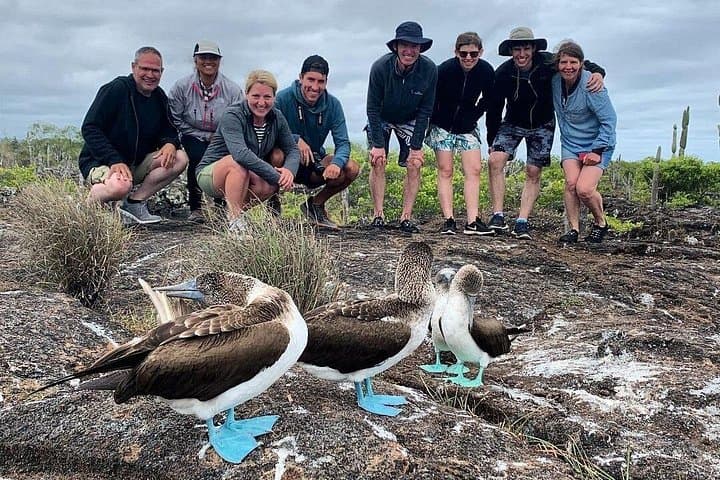
Wildlife behaves with blunt curiosity: marine iguanas sun themselves on black rock, blue-footed boobies perform their awkward courtship dances, and sea lions will regard you like a slow-moving curiosity. The ocean presses a constant agenda—currents dictate snorkeling windows and boat routes, and cloud ceilings can render a planned hike into a misty experience.
Practical guidance: the trip packs multiple short boat journeys (ferries between islands run roughly 2–3 hours) and several guided hikes, the longest being a ~5-hour trek to Sierra Negra with minimal elevation change but some loose volcanic scree. Bring reef-safe sunscreen, a travel wetsuit if you plan extended snorkeling (wetsuit rentals are possible but not always convenient), and a dry bag for sea days. Passport, park entry paperwork, and any local permits must be in order—operators will ask for passport numbers at booking. Expect luggage limits on shared transfers (typically two checked bags and one carry-on).
Timing matters: mornings are best for snorkeling and wildlife viewing, afternoons for boat repositioning. Stay hydrated and pace yourself—heat and salt can flatten energy quickly. With planning, the archipelago’s layered landscapes and intimate wildlife encounters deliver an expedition that’s equal parts natural history, science station visits, and straightforward island adventure.
Not strictly—many snorkel comfortably without one in warm months, but a shorty or 3mm wetsuit helps if you’re prone to chill or plan extended swims; rentals are available on some islands.
This operator notes extra payments like national park entrance or local taxes must be paid in person; confirm which fees are prepaid before travel.
Typical ferry crossings cited in the itinerary range from about 2 to 3 hours, depending on weather and route—expect motion and bring seasickness remedies if susceptible.
Yes—listed as suitable for all fitness levels, but children must be accompanied by an adult and should be comfortable on boats and short hikes.
Shared transfers generally permit two checked bags and one handbag or carry-on per person; confirm exact allowances when booking to avoid surprises.
About five hours round-trip with mostly flat sections and some loose volcanic scree; moderate exertion is required but no technical climbing.
Perfect Destiny operates guided outdoor trips and adventures with an emphasis on safety, stewardship, and memorable experiences.
Dawn in Puerto Ayora feels like a shipyard waking up beneath a bright, indifferent sky: fishing pangas bob, frigatebirds carve lazy shadows overhead, and the air tastes faintly of iron and salt. On this 12-day loop through Santa Cruz, Isabela and San Cristóbal, each island stages a different chapter—charred volcanic ridges that still whisper heat, mangroves that clutch neon fish, and beaches where sea lions expect you to make room.
Dawn in Puerto Ayora feels like a shipyard waking up beneath a bright, indifferent sky: fishing pangas bob, frigatebirds carve lazy shadows overhead, and the air tastes faintly of iron and salt. On this 12-day loop through Santa Cruz, Isabela and San Cristóbal, each island stages a different chapter—charred volcanic ridges that still whisper heat, mangroves that clutch neon fish, and beaches where sea lions expect you to make room.
The itinerary moves deliberately: arrival and acclimatization on Santa Cruz, a ferry hop and wetlands on Isabela, multi-hour hikes to the Sierra Negra crater, lava-tunnel boat expeditions, snorkeling with turtles and rays, then the highland lagoons and Kicker Rock of San Cristóbal. Geology drives the drama here—young basalt flows and collapsed lava tubes create arches and “tunnels” that the ocean now navigates. Sierra Negra’s caldera, a roughly 10-kilometer basin with steaming fumaroles, reminds you the islands are still very much in progress.
Culturally, the Galápagos are a brittle human world grafted onto ancient volcanoes. Puerto Ayora and Puerto Villamil evolved around fishing and service for scientists; the Charles Darwin Research Station on Santa Cruz is both sanctuary and visitor center, where conservation history and modern protection measures are on active display. Local guides are bilingual and typically rooted in island life—ask about traditional fishing methods or the tortoise repatriation projects and you’ll hear practical, earnest answers.
Wildlife behaves with blunt curiosity: marine iguanas sun themselves on black rock, blue-footed boobies perform their awkward courtship dances, and sea lions will regard you like a slow-moving curiosity. The ocean presses a constant agenda—currents dictate snorkeling windows and boat routes, and cloud ceilings can render a planned hike into a misty experience.
Practical guidance: the trip packs multiple short boat journeys (ferries between islands run roughly 2–3 hours) and several guided hikes, the longest being a ~5-hour trek to Sierra Negra with minimal elevation change but some loose volcanic scree. Bring reef-safe sunscreen, a travel wetsuit if you plan extended snorkeling (wetsuit rentals are possible but not always convenient), and a dry bag for sea days. Passport, park entry paperwork, and any local permits must be in order—operators will ask for passport numbers at booking. Expect luggage limits on shared transfers (typically two checked bags and one carry-on).
Timing matters: mornings are best for snorkeling and wildlife viewing, afternoons for boat repositioning. Stay hydrated and pace yourself—heat and salt can flatten energy quickly. With planning, the archipelago’s layered landscapes and intimate wildlife encounters deliver an expedition that’s equal parts natural history, science station visits, and straightforward island adventure.