THE ADVENTURE COLLECTIVE® · Independent discovery and booking for outdoor travel

A 12‑day circuit from Islamabad into the Karakoram and western Himalaya, this trip pairs village culture with guided treks to Rakaposhi and Nanga Parbat base areas. Expect glacier views, jeep approaches, and multi‑day hiking across varied alpine terrain.
A 12‑day circuit from Islamabad into the Karakoram and western Himalaya, this trip pairs village culture with guided treks to Rakaposhi and Nanga Parbat base areas. Expect glacier views, jeep approaches, and multi‑day hiking across varied alpine terrain.
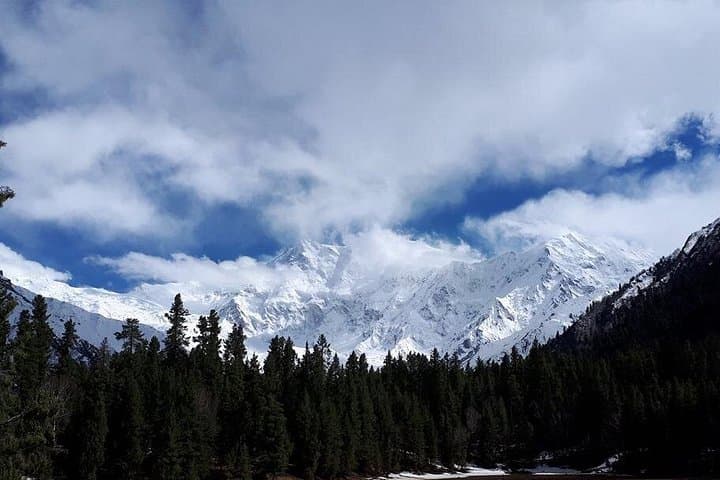
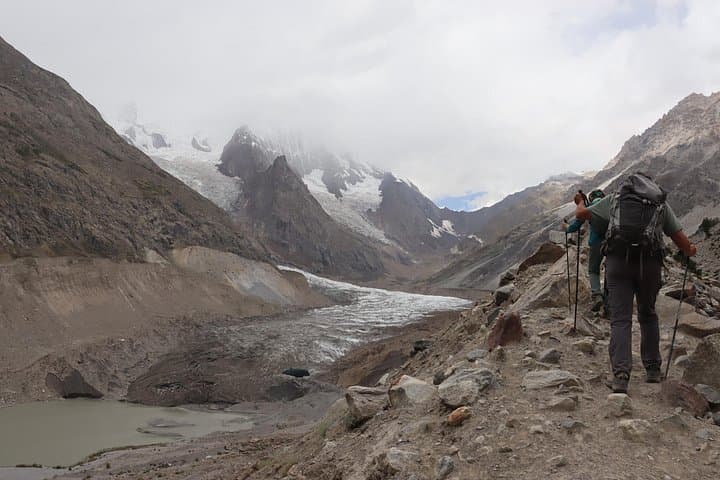
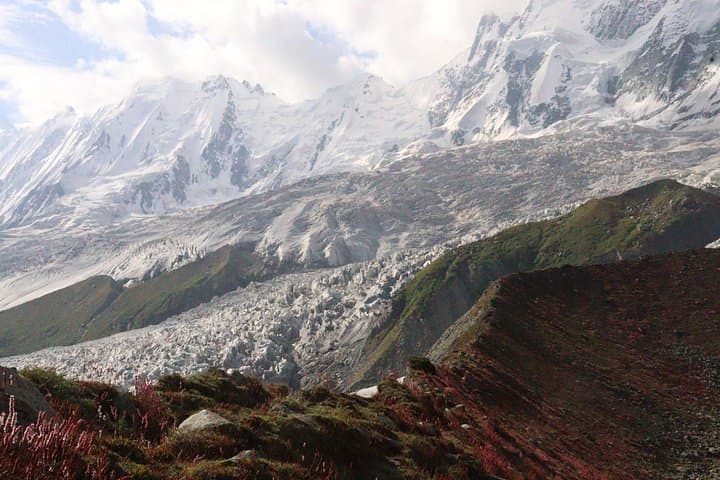
The morning light on the Karakoram feels like a dare: ridgelines sharpen, glaciers gleam, and a jeep’s diesel coughs away down a dirt road toward Tattoo Valley. On day one you trade Islamabad’s green avenues for mountain air; by day three you’re tracking moraine and meltwater toward Rakaposhi’s 7,788‑metre bulk, watching icefields push across the valley like a slow, patient animal.
Verified experiences and guided adventures in the surrounding area.
Operated by Harappa Tour & Travel · Islamabad, Islamabad Capital Territory
The morning light on the Karakoram feels like a dare: ridgelines sharpen, glaciers gleam, and a jeep’s diesel coughs away down a dirt road toward Tattoo Valley. On day one you trade Islamabad’s green avenues for mountain air; by day three you’re tracking moraine and meltwater toward Rakaposhi’s 7,788‑metre bulk, watching icefields push across the valley like a slow, patient animal.
This 12‑day circuit threads history and geology — the Karakoram Highway follows the old Silk Road arteries, while glaciated peaks carved the valleys you walk. Hunza’s villages keep living stone walls and centuries‑old apricot orchards; Baltit and Altit forts speak to a Himalayan borderland shaped by trade and high‑altitude agriculture. Passu’s serrated cones and the turquoise slice of Attabad Lake are recent chapters in a landscape still changing under shifting glaciers.
Expect mixed terrain: dirt roads and jeep tracks, 2–6 hour day hikes to viewpoints and 4–6 hour trekking days to base camps across rocky paths and grassy meadows. Elevation, exposure and basic navigation matter more than technical climbing skills.
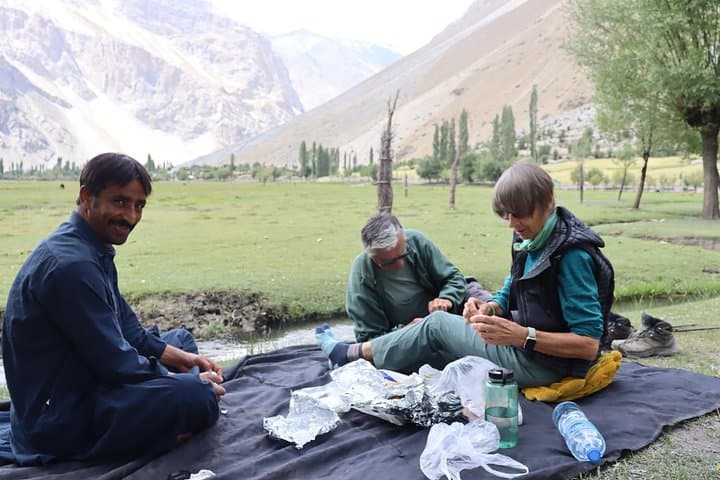
Practical edge: plan for altitude — move slowly, drink constantly, and carry layers for wind and sun. Local lodgings range from guesthouses in Karimabad to shared tent camps at Rakaposhi and Nanga Parbat approaches. Cash and a local SIM help in remote stretches; guides and drivers handle permits and local logistics. Respect grazing land, pack out waste, and allow an extra day for weather delays — these ranges can alter plans overnight. With sensible preparation, this itinerary delivers sweeping ice, close mountain faces, and a deep cultural corridor through northern Pakistan.
No — the itinerary focuses on hiking and base‑camp approaches; it does not require mountaineering skills, ropes, or crampons.
Some sections reach high elevations and you should acclimatize, drink plenty of fluids, ascend slowly, and notify guides of symptoms; medications like acetazolamide are recommended after consulting a physician.
International visitors need a Pakistan visa; guides typically handle local permits for protected areas and village access, but carry passport copies and necessary documents.
Late spring to early autumn (May–September) offers the most stable trekking weather; monsoon impacts are minimal in the Karakoram but expect cold nights even in summer.
Harappa Tour & Travel operates guided outdoor trips and adventures with an emphasis on safety, stewardship, and memorable experiences.
The morning light on the Karakoram feels like a dare: ridgelines sharpen, glaciers gleam, and a jeep’s diesel coughs away down a dirt road toward Tattoo Valley. On day one you trade Islamabad’s green avenues for mountain air; by day three you’re tracking moraine and meltwater toward Rakaposhi’s 7,788‑metre bulk, watching icefields push across the valley like a slow, patient animal.
The morning light on the Karakoram feels like a dare: ridgelines sharpen, glaciers gleam, and a jeep’s diesel coughs away down a dirt road toward Tattoo Valley. On day one you trade Islamabad’s green avenues for mountain air; by day three you’re tracking moraine and meltwater toward Rakaposhi’s 7,788‑metre bulk, watching icefields push across the valley like a slow, patient animal.
This 12‑day circuit threads history and geology — the Karakoram Highway follows the old Silk Road arteries, while glaciated peaks carved the valleys you walk. Hunza’s villages keep living stone walls and centuries‑old apricot orchards; Baltit and Altit forts speak to a Himalayan borderland shaped by trade and high‑altitude agriculture. Passu’s serrated cones and the turquoise slice of Attabad Lake are recent chapters in a landscape still changing under shifting glaciers.
Expect mixed terrain: dirt roads and jeep tracks, 2–6 hour day hikes to viewpoints and 4–6 hour trekking days to base camps across rocky paths and grassy meadows. Elevation, exposure and basic navigation matter more than technical climbing skills.
Practical edge: plan for altitude — move slowly, drink constantly, and carry layers for wind and sun. Local lodgings range from guesthouses in Karimabad to shared tent camps at Rakaposhi and Nanga Parbat approaches. Cash and a local SIM help in remote stretches; guides and drivers handle permits and local logistics. Respect grazing land, pack out waste, and allow an extra day for weather delays — these ranges can alter plans overnight. With sensible preparation, this itinerary delivers sweeping ice, close mountain faces, and a deep cultural corridor through northern Pakistan.