THE ADVENTURE COLLECTIVE® · Independent discovery and booking for outdoor travel

A 12-day overland pilgrimage from Lhasa to Kathmandu that pairs Lhasa’s sacred sites with Everest Base Camp and a three-day kora around Mt. Kailash. Expect long drives, high passes (to 5,630 m) and a mix of cultural sightseeing and challenging high-altitude trekking.
A 12-day overland pilgrimage from Lhasa to Kathmandu that pairs Lhasa’s sacred sites with Everest Base Camp and a three-day kora around Mt. Kailash. Expect long drives, high passes (to 5,630 m) and a mix of cultural sightseeing and challenging high-altitude trekking.
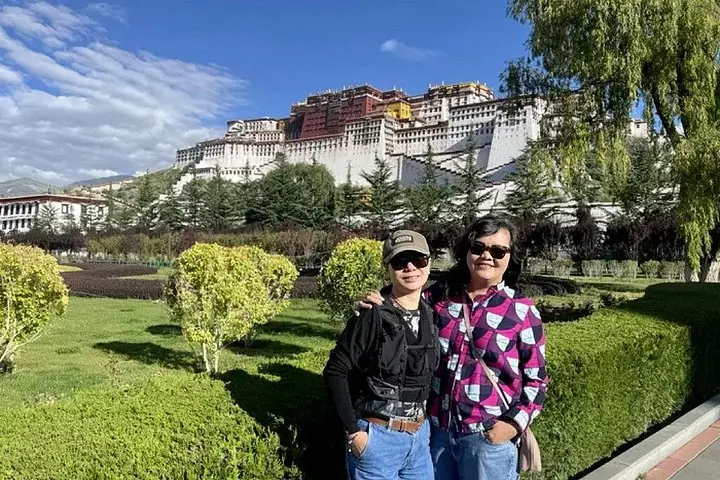
You step out onto Lhasa’s thin air and the Potala Palace looms above the square like an ancient watchtower, its white and red façades cutting the sky. From that first breath the trip moves outward — long days on the Tibetan plateau, the turquoise flash of Yamdrok Lake, a glacier dangling beside the highway, and the slow, ritual pace of the Mt. Kailash kora.
Verified experiences and guided adventures in the surrounding area.
Operated by Great Tibet Tour · Lhasa, Tibet
You step out onto Lhasa’s thin air and the Potala Palace looms above the square like an ancient watchtower, its white and red façades cutting the sky. From that first breath the trip moves outward — long days on the Tibetan plateau, the turquoise flash of Yamdrok Lake, a glacier dangling beside the highway, and the slow, ritual pace of the Mt. Kailash kora.
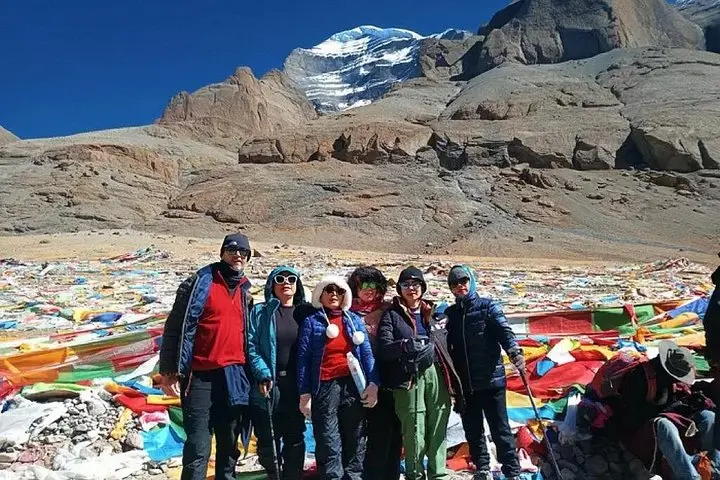
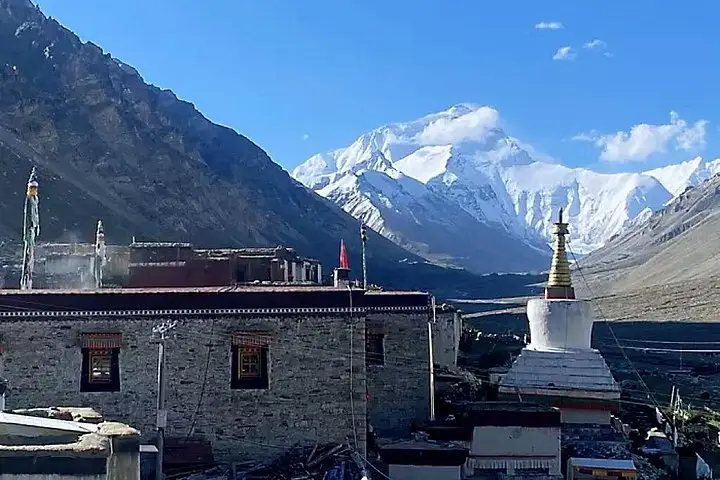
This route threads history and geology: Lhasa’s Jokhang and Potala register centuries of Tibetan Buddhism and imperial authority, while the Trans-Himalayan ranges you cross were thrust up by continental collision and carved by glaciers. Mount Kailash is a living shrine for Buddhists, Hindus, Jains and Bon practitioners; Manasarovar’s clear shorelines have fed pilgrimages for millennia. Along the way nomadic camps, Karola Glacier and Everest Base Camp (c. 5,200 m) reveal both harsh climate and fragile ecosystems.
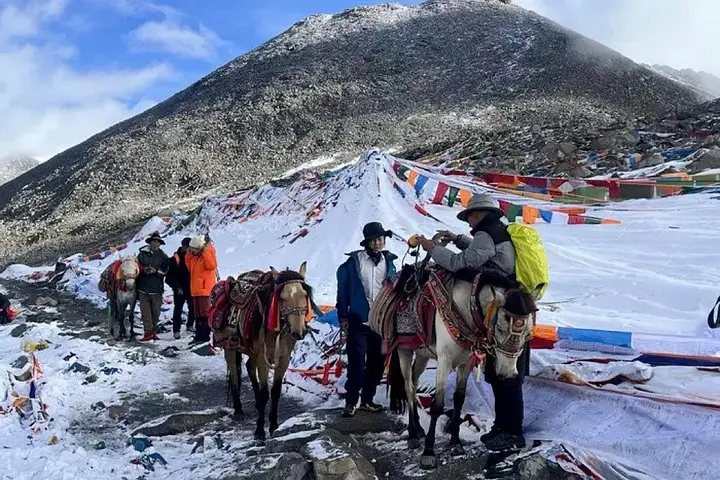
Practically, expect long drives (several 7–9 hour legs) and three days of kora trekking around Kailash — daily walking ranges from about 9 km to 22 km, with the highest point at Drolma La ~5,630 m. Acclimatization days in Lhasa (3,650 m) and pacing between towns are built into the itinerary, but travelers should prepare for dorm-style guesthouses, variable weather and limited services.
Bring layered clothing, strong boots, sun protection and a plan to manage altitude: hydrate, increase carbs, and move conservatively on steep sections. Permits are required for Tibet travel and are arranged in advance; carry copies and follow your guide’s pacing and health advice to keep the journey safe and meaningful.
Yes—China requires specific Tibet travel permits and group tour authorization; the operator typically arranges permits before arrival but carry printed copies.
The kora includes one very demanding day over Drolma La (~5,630 m) with long ascents and 11–14 hour hiking options; prior high-altitude trekking experience is recommended.
Accommodation varies from comfortable hotels in Lhasa to simple guesthouses/dorm beds near Everest Base Camp and during the kora; sleeping bags are often provided but a liner is recommended.
No — due to sustained high altitude (4,500–5,600 m) this tour is not recommended for travelers with serious cardiovascular or pulmonary conditions.
Great Tibet Tour operates guided outdoor trips and adventures with an emphasis on safety, stewardship, and memorable experiences.
You step out onto Lhasa’s thin air and the Potala Palace looms above the square like an ancient watchtower, its white and red façades cutting the sky. From that first breath the trip moves outward — long days on the Tibetan plateau, the turquoise flash of Yamdrok Lake, a glacier dangling beside the highway, and the slow, ritual pace of the Mt. Kailash kora.
You step out onto Lhasa’s thin air and the Potala Palace looms above the square like an ancient watchtower, its white and red façades cutting the sky. From that first breath the trip moves outward — long days on the Tibetan plateau, the turquoise flash of Yamdrok Lake, a glacier dangling beside the highway, and the slow, ritual pace of the Mt. Kailash kora.
This route threads history and geology: Lhasa’s Jokhang and Potala register centuries of Tibetan Buddhism and imperial authority, while the Trans-Himalayan ranges you cross were thrust up by continental collision and carved by glaciers. Mount Kailash is a living shrine for Buddhists, Hindus, Jains and Bon practitioners; Manasarovar’s clear shorelines have fed pilgrimages for millennia. Along the way nomadic camps, Karola Glacier and Everest Base Camp (c. 5,200 m) reveal both harsh climate and fragile ecosystems.
Practically, expect long drives (several 7–9 hour legs) and three days of kora trekking around Kailash — daily walking ranges from about 9 km to 22 km, with the highest point at Drolma La ~5,630 m. Acclimatization days in Lhasa (3,650 m) and pacing between towns are built into the itinerary, but travelers should prepare for dorm-style guesthouses, variable weather and limited services.
Bring layered clothing, strong boots, sun protection and a plan to manage altitude: hydrate, increase carbs, and move conservatively on steep sections. Permits are required for Tibet travel and are arranged in advance; carry copies and follow your guide’s pacing and health advice to keep the journey safe and meaningful.