THE ADVENTURE COLLECTIVE® · Independent discovery and booking for outdoor travel

A 12-day loop around Mount Manaslu that trades Kathmandu’s bustle for high passes, tea-house nights and close cultural encounters. Expect steady gains, remote villages, and permit-checked access through one of Nepal’s less-traveled high routes.
A 12-day loop around Mount Manaslu that trades Kathmandu’s bustle for high passes, tea-house nights and close cultural encounters. Expect steady gains, remote villages, and permit-checked access through one of Nepal’s less-traveled high routes.
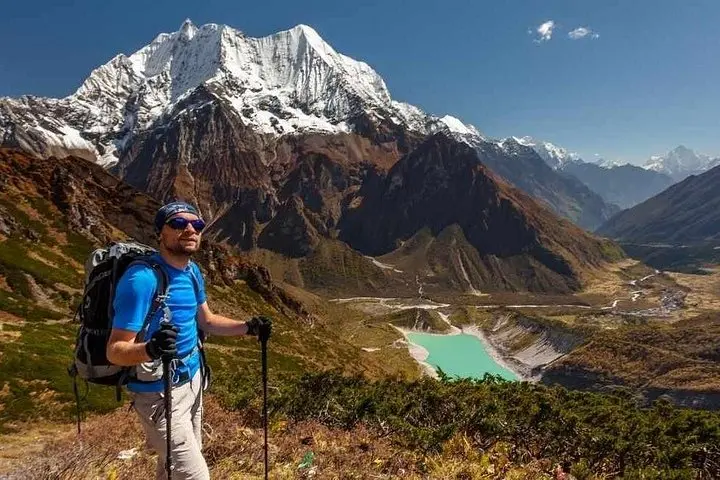
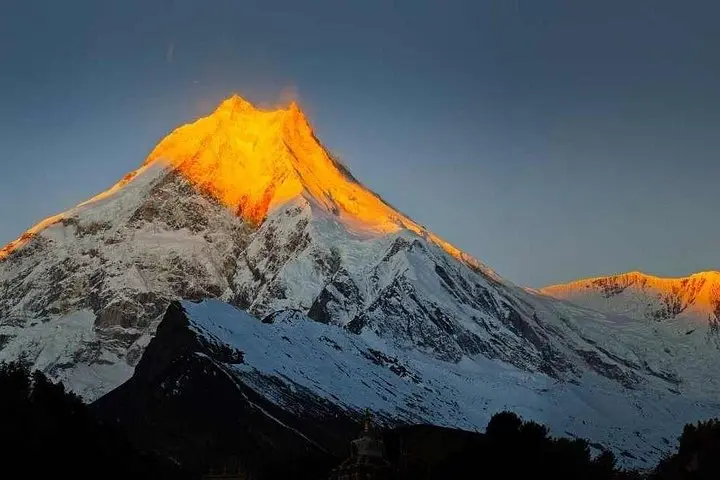
Morning light carves the ridge lines as the jeep leaves Kathmandu for Soti Khola; the river below dares you to keep pace with its descent as terraced fields shrink behind. Over the next twelve days walkers move through narrow valleys, stone villages and windswept high camps, trading city noise for the crisp, mineral air that defines the Manaslu Circuit.
Verified experiences and guided adventures in the surrounding area.
Operated by Mountain Hike Nepal · Kathmandu, Bagmati Province
Morning light carves the ridge lines as the jeep leaves Kathmandu for Soti Khola; the river below dares you to keep pace with its descent as terraced fields shrink behind. Over the next twelve days walkers move through narrow valleys, stone villages and windswept high camps, trading city noise for the crisp, mineral air that defines the Manaslu Circuit.
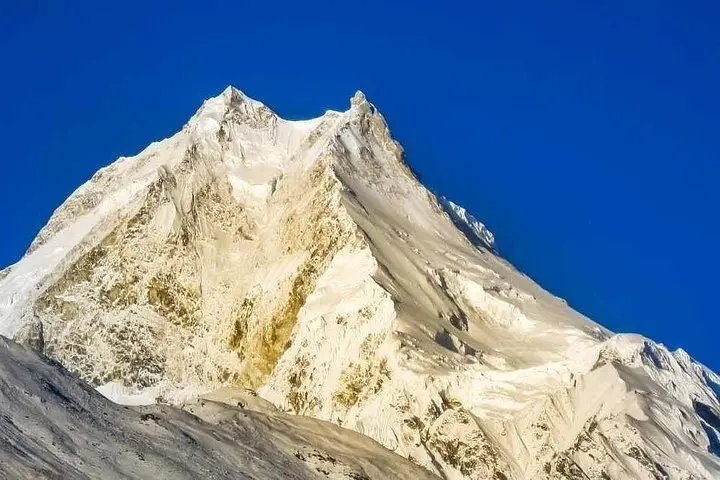
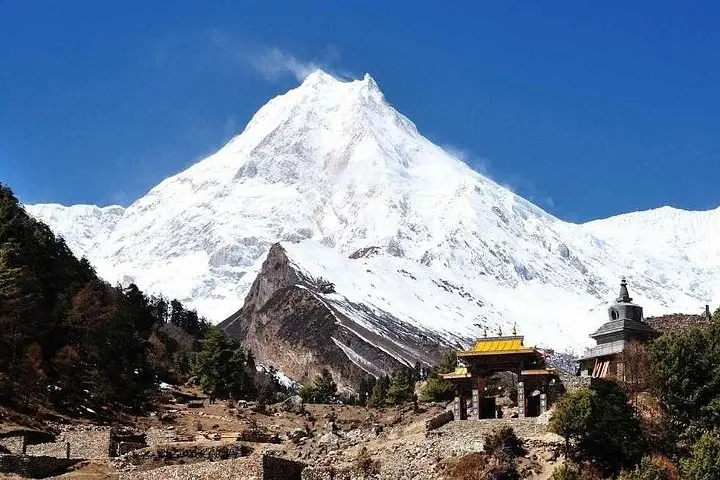
Geology here is blunt and recent—uplifted schist and granite slicing into jagged peaks—while history hangs in prayer flags and gompas, reminders of trade routes between Nepal and Tibet. Villages follow old trans-Himalayan rhythms: tea houses, yak caravans and festivals that still mark planting and monsoon cycles. Culturally, the trek offers intimate contact with Gurung and Tibetan-influenced communities whose hospitality is as consistent as the dal bhat served at dusk.
Expect steadily ascending trails, narrow suspension bridges, and an acclimatization day before the high passes. The route passes Samdo and the Dharamsala/Larkya vicinity on approaches used by generations of traders. Terrain varies from riverine jungle to stony moraine; altitude tops out in the mid-4000–5000m range depending on route variations, so pacing and hydration matter.
Practical guidance: travel with a licensed guide and get the Manaslu Special Permit and TIMS card before entering the conservation area. Pack layered thermal clothing, sturdy boots and high-calorie snacks; tea houses provide basic twin-share lodging and meals but carry cash. Start early each day to avoid afternoon weather and prioritize slow, steady climbs on approach to high camps. The Manaslu Circuit rewards patience: sweeping Himalayan views, close cultural encounters and the quiet satisfaction of a true perimeter trek.
Yes. Trekkers require the Manaslu Special Permit plus a TIMS card and Manaslu Conservation Area entry; guides typically help secure these before entry.
Yes, the itinerary uses tea-house accommodation on a twin-share basis, but standards are basic—bring cash and a sleeping bag liner for hygiene and warmth.
The operator requires at least two participants and a licensed guide; for safety and permit rules, independent solo trekking is not advised here.
Daily gains vary; the route reaches high camps around 4,500–5,000m on certain approaches—follow the itinerary’s acclimatization day and monitor symptoms of altitude sickness.
Mountain Hike Nepal operates guided outdoor trips and adventures with an emphasis on safety, stewardship, and memorable experiences.
Morning light carves the ridge lines as the jeep leaves Kathmandu for Soti Khola; the river below dares you to keep pace with its descent as terraced fields shrink behind. Over the next twelve days walkers move through narrow valleys, stone villages and windswept high camps, trading city noise for the crisp, mineral air that defines the Manaslu Circuit.
Morning light carves the ridge lines as the jeep leaves Kathmandu for Soti Khola; the river below dares you to keep pace with its descent as terraced fields shrink behind. Over the next twelve days walkers move through narrow valleys, stone villages and windswept high camps, trading city noise for the crisp, mineral air that defines the Manaslu Circuit.
Geology here is blunt and recent—uplifted schist and granite slicing into jagged peaks—while history hangs in prayer flags and gompas, reminders of trade routes between Nepal and Tibet. Villages follow old trans-Himalayan rhythms: tea houses, yak caravans and festivals that still mark planting and monsoon cycles. Culturally, the trek offers intimate contact with Gurung and Tibetan-influenced communities whose hospitality is as consistent as the dal bhat served at dusk.
Expect steadily ascending trails, narrow suspension bridges, and an acclimatization day before the high passes. The route passes Samdo and the Dharamsala/Larkya vicinity on approaches used by generations of traders. Terrain varies from riverine jungle to stony moraine; altitude tops out in the mid-4000–5000m range depending on route variations, so pacing and hydration matter.
Practical guidance: travel with a licensed guide and get the Manaslu Special Permit and TIMS card before entering the conservation area. Pack layered thermal clothing, sturdy boots and high-calorie snacks; tea houses provide basic twin-share lodging and meals but carry cash. Start early each day to avoid afternoon weather and prioritize slow, steady climbs on approach to high camps. The Manaslu Circuit rewards patience: sweeping Himalayan views, close cultural encounters and the quiet satisfaction of a true perimeter trek.