THE ADVENTURE COLLECTIVE® · Independent discovery and booking for outdoor travel

A comprehensive 12‑day loop from Marrakech through the High Atlas to the Sahara and back along the Atlantic coast. Expect UNESCO kasbahs, towering gorges, blue medina lanes, and an overnight under desert stars.
A comprehensive 12‑day loop from Marrakech through the High Atlas to the Sahara and back along the Atlantic coast. Expect UNESCO kasbahs, towering gorges, blue medina lanes, and an overnight under desert stars.
You step out of Marrakech’s airport into dry, warm air and the smell of orange blossom and diesel — the first breath of a 12‑day loop that moves from red‑walled medinas to wind‑scoured Atlantic ramparts and the slow dunes of Erg Chebbi.
Verified experiences and guided adventures in the surrounding area.
Operated by Morocco Sahara Desert Travel · Marrakech, Marrakesh-Safi
You step out of Marrakech’s airport into dry, warm air and the smell of orange blossom and diesel — the first breath of a 12‑day loop that moves from red‑walled medinas to wind‑scoured Atlantic ramparts and the slow dunes of Erg Chebbi.
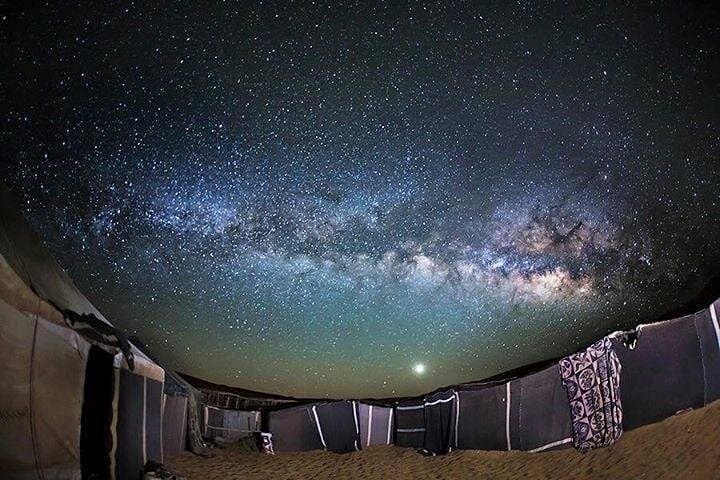
The route threads the High Atlas via the Tizi n’Tichka pass, dips into fortified oases like Ait Ben Haddou (a UNESCO kasbah where filmmakers search for drama), traces the cedar stands of the Middle Atlas, and spends a night under the Sahara’s enormous sky. Geology reads on these roads: folded limestone and red sandstone cliffs that throw long shadows, river‑cut gorges such as Todra, and the wind‑built ripples of the Erg Chebbi dunes. Culturally you’ll pass Berber villages, centuries‑old medinas in Fez and Chefchaouen’s blue alleys, and coastal Essaouira’s fishing port.
Practical edge: this is a road‑based, full‑service tour with short hikes and a camel transfer into a desert camp; the physical demand is low but days can be long in the van. Expect early starts for best light, packed breakfasts on travel days, and basic riad‑style lodging except for the desert camp. Bring layered clothing for cool desert nights, sturdy shoes for cobbled medina streets, sun protection, and a reusable water bottle. Plan for limited cell coverage on some legs, carry cash in dirhams for small purchases, and book transfers to align with your flight times. The itinerary balances sightseeing and downtime — useful if you want to add a night in Marrakech or extend a stay in Fes.
Yes — the itinerary includes riad or hotel accommodation each night, with the exception of the overnight in a standard desert camp under the dunes.
The tour is classified as easy but involves uneven surfaces, some walking, and a camel ride; it may not be suitable for travelers with serious mobility or certain health conditions.
Visa requirements depend on your nationality; check Morocco’s entry rules before travel. Routine vaccinations are usually sufficient, but consult your healthcare provider for current advice.
Carry a modest amount of Moroccan dirhams for market purchases, tips, and remote stops — ATMs are available in major towns but limited in remote areas.
Morocco Sahara Desert Travel operates guided outdoor trips and adventures with an emphasis on safety, stewardship, and memorable experiences.



You step out of Marrakech’s airport into dry, warm air and the smell of orange blossom and diesel — the first breath of a 12‑day loop that moves from red‑walled medinas to wind‑scoured Atlantic ramparts and the slow dunes of Erg Chebbi.
You step out of Marrakech’s airport into dry, warm air and the smell of orange blossom and diesel — the first breath of a 12‑day loop that moves from red‑walled medinas to wind‑scoured Atlantic ramparts and the slow dunes of Erg Chebbi.
The route threads the High Atlas via the Tizi n’Tichka pass, dips into fortified oases like Ait Ben Haddou (a UNESCO kasbah where filmmakers search for drama), traces the cedar stands of the Middle Atlas, and spends a night under the Sahara’s enormous sky. Geology reads on these roads: folded limestone and red sandstone cliffs that throw long shadows, river‑cut gorges such as Todra, and the wind‑built ripples of the Erg Chebbi dunes. Culturally you’ll pass Berber villages, centuries‑old medinas in Fez and Chefchaouen’s blue alleys, and coastal Essaouira’s fishing port.
Practical edge: this is a road‑based, full‑service tour with short hikes and a camel transfer into a desert camp; the physical demand is low but days can be long in the van. Expect early starts for best light, packed breakfasts on travel days, and basic riad‑style lodging except for the desert camp. Bring layered clothing for cool desert nights, sturdy shoes for cobbled medina streets, sun protection, and a reusable water bottle. Plan for limited cell coverage on some legs, carry cash in dirhams for small purchases, and book transfers to align with your flight times. The itinerary balances sightseeing and downtime — useful if you want to add a night in Marrakech or extend a stay in Fes.