THE ADVENTURE COLLECTIVE® · Independent discovery and booking for outdoor travel

From misted volcano rims to turtle-swept Caribbean sands, this 12-day Naturally Costa Rica itinerary stitches national parks, coffee estates and rafting into a single, well-paced circuit. Expect volcano views, canopy zips, canal birding and coastal hikes—with practical tips for gear and timing.
From misted volcano rims to turtle-swept Caribbean sands, this 12-day Naturally Costa Rica itinerary stitches national parks, coffee estates and rafting into a single, well-paced circuit. Expect volcano views, canopy zips, canal birding and coastal hikes—with practical tips for gear and timing.
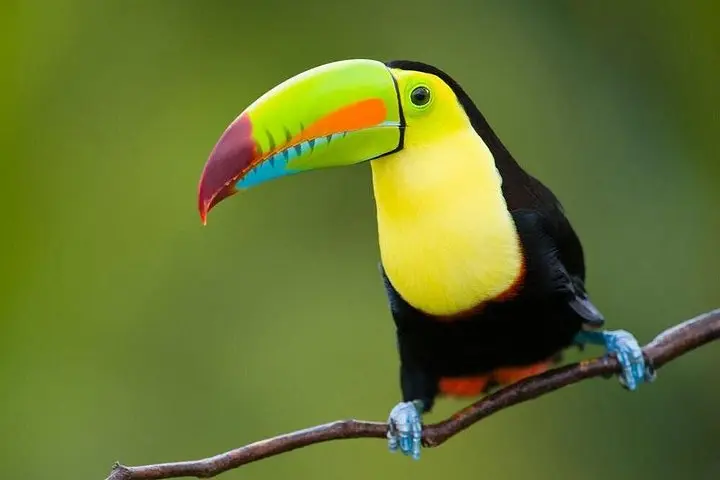
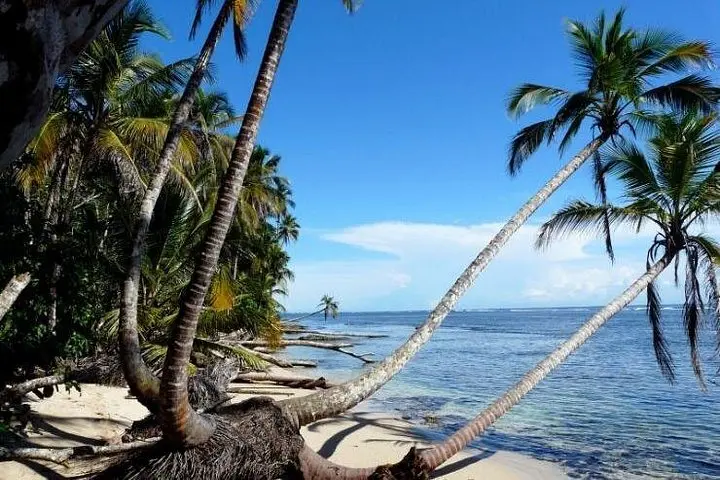
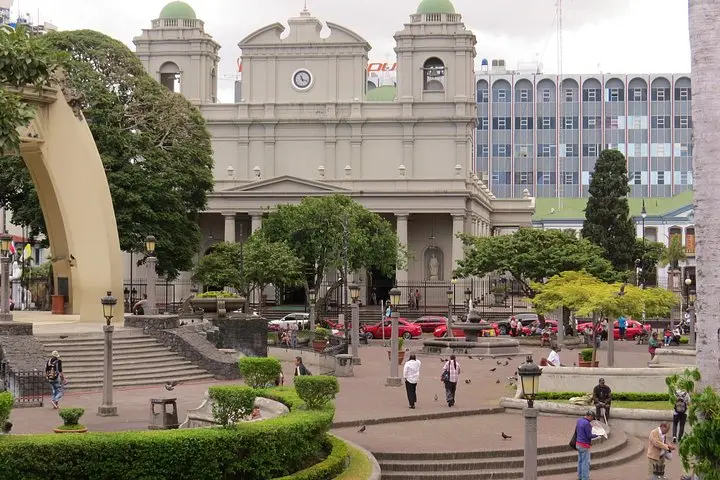
You step off the minivan into a humidity that feels like a second skin; steam rises from the leaf litter and a keel-billed toucan calls from high in the canopy. Over the next 12 days this program threads together Costa Rica’s contrasts: the high, dust-gray rim of Irazú, the perfect cone of Arenal, turtle-patrolled beaches on the Caribbean coast and the slow, verdant canals of Tortuguero where water moves like a patient animal.
Verified experiences and guided adventures in the surrounding area.
Operated by Destiny Travel Costa Rica · San José, San José
You step off the minivan into a humidity that feels like a second skin; steam rises from the leaf litter and a keel-billed toucan calls from high in the canopy. Over the next 12 days this program threads together Costa Rica’s contrasts: the high, dust-gray rim of Irazú, the perfect cone of Arenal, turtle-patrolled beaches on the Caribbean coast and the slow, verdant canals of Tortuguero where water moves like a patient animal.
The route follows long-established travel corridors and older cultural routes: coffee estates like Doka are rooted in the 19th-century agricultural boom, while Sarchí’s oxcart workshops preserve an artisan tradition recognized by Costa Ricans for generations. Geologically, you move from the volcanic axis—Irazú at 3,432 m with wind-swept craters and mineral-streaked slopes—to the lowland alluvial soils of Tortuguero and the coral sands fringing Cahuita. Those volcanic soils feed the coffee slopes and the explosive biodiversity you’ll see on each hike.
Wildlife here has attitude: howler monkeys announce the morning, sloths hang in a deliberate, patient disbelief of gravity, and on Caribbean nights the surf and beach lights are often interrupted by the slow arrival of nesting sea turtles (seasonality below). Human rhythms are equally present—buffet breakfasts in San José, farm-to-table lunches in La Paz, and the bright painted oxcarts in Sarchí that recall a past era of transport and celebration.
Practical guidance: expect varied terrain. Arenal-area trails are volcanic rock and packed dirt with short elevation gains (200–400 m on day hikes), while Cahuita National Park is a roughly 8 km coastal walk on sandy and rocky shoreline paths. Rafting on the Balsa River is class III for roughly 10–16 km depending on the operator—basic paddling stamina and a willingness to get wet are required. Boat transfers to Tortuguero traverse narrow channels—bring a dry bag and quick-drying layers.
Health and timing: the dry season (roughly Dec–Apr) gives the clearest volcano views and easier hikes; the wet season (May–Nov) brings dramatic green growth, afternoon showers and fewer crowds. Insect repellent, reef-safe sunscreen, sturdy trail shoes and a light rain shell will cover most situations. Carry local colones or cards for markets and tips; guides are bilingual and much of the ground logistics—hotels, transfers and park fees—are included, so you can travel light on planning.
This itinerary balances active days—zipline canopy tours, white-water stretches, guided rainforest walks—with calm ones—beach afternoons and canal birding. It’s a program built for travelers who want broad exposure to the country’s landscapes, wildlife and cultural touchstones without the guesswork of local logistics.
Routine immunizations should be up-to-date; Hepatitis A and Typhoid are commonly recommended for travel to rural areas—consult your healthcare provider well before departure.
Turtle activity peaks vary by species: green turtles commonly nest July–October on the Caribbean coast; leatherbacks are typically March–July—check local schedules for guided night visits.
Operators use safety briefings, helmets and life jackets; the run listed is class III—suitable for anyone comfortable with basic paddling and following guide instructions.
The program lists 11 nights accommodation and multiple meals (11 breakfasts, 9 lunches, 3 dinners) and national park fees—confirm specifics with the operator for any optional excursions.
Transfers use air-conditioned vans and boats; luggage limits and handling are coordinated by the operator—pack a small daypack for excursions and label larger bags clearly.
The itinerary notes wheelchair accessibility for many transfers and that children must be accompanied—some excursions involve boat rides and uneven trails, so check with the provider about specific accessibility needs.
Destiny Travel Costa Rica operates guided outdoor trips and adventures with an emphasis on safety, stewardship, and memorable experiences.

You step off the minivan into a humidity that feels like a second skin; steam rises from the leaf litter and a keel-billed toucan calls from high in the canopy. Over the next 12 days this program threads together Costa Rica’s contrasts: the high, dust-gray rim of Irazú, the perfect cone of Arenal, turtle-patrolled beaches on the Caribbean coast and the slow, verdant canals of Tortuguero where water moves like a patient animal.
You step off the minivan into a humidity that feels like a second skin; steam rises from the leaf litter and a keel-billed toucan calls from high in the canopy. Over the next 12 days this program threads together Costa Rica’s contrasts: the high, dust-gray rim of Irazú, the perfect cone of Arenal, turtle-patrolled beaches on the Caribbean coast and the slow, verdant canals of Tortuguero where water moves like a patient animal.
The route follows long-established travel corridors and older cultural routes: coffee estates like Doka are rooted in the 19th-century agricultural boom, while Sarchí’s oxcart workshops preserve an artisan tradition recognized by Costa Ricans for generations. Geologically, you move from the volcanic axis—Irazú at 3,432 m with wind-swept craters and mineral-streaked slopes—to the lowland alluvial soils of Tortuguero and the coral sands fringing Cahuita. Those volcanic soils feed the coffee slopes and the explosive biodiversity you’ll see on each hike.
Wildlife here has attitude: howler monkeys announce the morning, sloths hang in a deliberate, patient disbelief of gravity, and on Caribbean nights the surf and beach lights are often interrupted by the slow arrival of nesting sea turtles (seasonality below). Human rhythms are equally present—buffet breakfasts in San José, farm-to-table lunches in La Paz, and the bright painted oxcarts in Sarchí that recall a past era of transport and celebration.
Practical guidance: expect varied terrain. Arenal-area trails are volcanic rock and packed dirt with short elevation gains (200–400 m on day hikes), while Cahuita National Park is a roughly 8 km coastal walk on sandy and rocky shoreline paths. Rafting on the Balsa River is class III for roughly 10–16 km depending on the operator—basic paddling stamina and a willingness to get wet are required. Boat transfers to Tortuguero traverse narrow channels—bring a dry bag and quick-drying layers.
Health and timing: the dry season (roughly Dec–Apr) gives the clearest volcano views and easier hikes; the wet season (May–Nov) brings dramatic green growth, afternoon showers and fewer crowds. Insect repellent, reef-safe sunscreen, sturdy trail shoes and a light rain shell will cover most situations. Carry local colones or cards for markets and tips; guides are bilingual and much of the ground logistics—hotels, transfers and park fees—are included, so you can travel light on planning.
This itinerary balances active days—zipline canopy tours, white-water stretches, guided rainforest walks—with calm ones—beach afternoons and canal birding. It’s a program built for travelers who want broad exposure to the country’s landscapes, wildlife and cultural touchstones without the guesswork of local logistics.