THE ADVENTURE COLLECTIVE® · Independent discovery and booking for outdoor travel

Travelers follow the Omo River from Awassa and Arba Minch to Turmi and Jinka, meeting Hamer, Karo, Mursi and other tribes in markets, ceremonies and riverside villages. This 12-day route mixes archaeological stops, boat crossings and cultural exchanges with basic lodging and camping.
Travelers follow the Omo River from Awassa and Arba Minch to Turmi and Jinka, meeting Hamer, Karo, Mursi and other tribes in markets, ceremonies and riverside villages. This 12-day route mixes archaeological stops, boat crossings and cultural exchanges with basic lodging and camping.
Dawn on the Omo River is a rehearsal: river mist lifts like a curtain, fishing canoes cut dark silhouettes and the valley’s villages begin to call. Over 12 days this tour threads from the highland markets above Arba Minch down through the turbanned warriors of Turmi, the decorated Karo ridgelines and the lip-plate Mursi by the Mago floodplain.
Verified experiences and guided adventures in the surrounding area.
Operated by One Love Ethiopia Tours & Car Rent · Jinka, Southern Nations, Nationalities, and Peoples' Region
Dawn on the Omo River is a rehearsal: river mist lifts like a curtain, fishing canoes cut dark silhouettes and the valley’s villages begin to call. Over 12 days this tour threads from the highland markets above Arba Minch down through the turbanned warriors of Turmi, the decorated Karo ridgelines and the lip-plate Mursi by the Mago floodplain.
The Omo Valley is both living culture and deep time — archaeological sites such as Tiya and Melka Kunture mark human occupation for millennia, while the river’s seasonal floods have carved terraces and pockets that sustain pastoralists and crop farmers. Expect markets where tribes trade livestock and painted gourds, ceremonial gatherings timed by local calendars, and boat crossings that move you between distinct cultural landscapes.
Practically, the route alternates paved roads, dusty tracks and short village walks. Accommodation ranges from basic lodges to camping; services are functional rather than luxurious. Guides interpret customs and facilitate respectful visits; photography should be negotiated first. Field conditions include hot days, dusty evenings and occasional river crossings by small boat.
Plan for sun protection, reliable hydration and shoes that handle village paths and rocky trails. Travel light but with layers for cool highlands at night. Health prep is essential — routine vaccinations and antimalarial advice are recommended.
This is a cultural expedition with wildlife glimpses — hippos and crocodiles on lake and river edges and flamingo-studded soda lakes en route — and it rewards travelers who bring curiosity, patience and respectful attention to local rhythms.
Local guides arrange access and introductions; no special government permits are usually required, but respectful behavior and guide-led visits are expected.
Expect long drives on a mix of paved and unpaved roads; some sections can be bumpy and slow — plan for full travel days between stops.
Yes — the lowland Omo Valley is a malaria risk; consult a travel clinic for recommended prophylaxis and mosquito precautions.
Many local languages are spoken; tours include an English-speaking guide who will interpret and facilitate cultural visits.
One Love Ethiopia Tours & Car Rent operates guided outdoor trips and adventures with an emphasis on safety, stewardship, and memorable experiences.
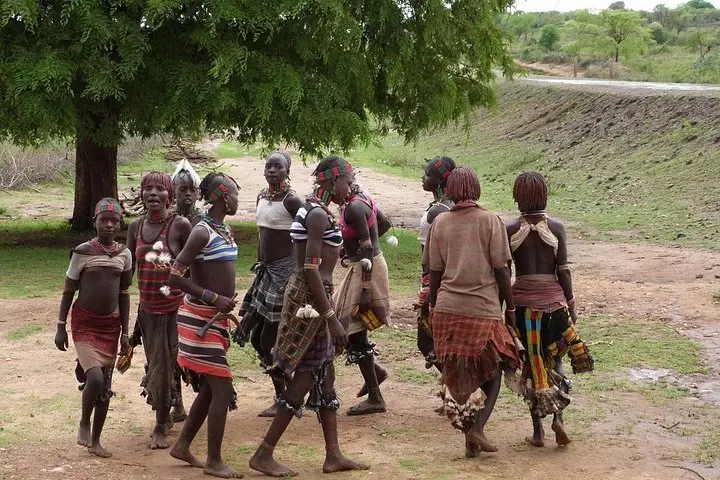
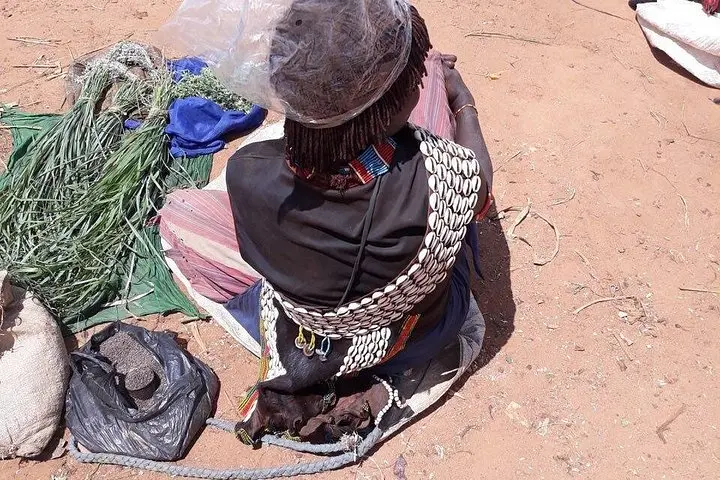
Dawn on the Omo River is a rehearsal: river mist lifts like a curtain, fishing canoes cut dark silhouettes and the valley’s villages begin to call. Over 12 days this tour threads from the highland markets above Arba Minch down through the turbanned warriors of Turmi, the decorated Karo ridgelines and the lip-plate Mursi by the Mago floodplain.
Dawn on the Omo River is a rehearsal: river mist lifts like a curtain, fishing canoes cut dark silhouettes and the valley’s villages begin to call. Over 12 days this tour threads from the highland markets above Arba Minch down through the turbanned warriors of Turmi, the decorated Karo ridgelines and the lip-plate Mursi by the Mago floodplain.
The Omo Valley is both living culture and deep time — archaeological sites such as Tiya and Melka Kunture mark human occupation for millennia, while the river’s seasonal floods have carved terraces and pockets that sustain pastoralists and crop farmers. Expect markets where tribes trade livestock and painted gourds, ceremonial gatherings timed by local calendars, and boat crossings that move you between distinct cultural landscapes.
Practically, the route alternates paved roads, dusty tracks and short village walks. Accommodation ranges from basic lodges to camping; services are functional rather than luxurious. Guides interpret customs and facilitate respectful visits; photography should be negotiated first. Field conditions include hot days, dusty evenings and occasional river crossings by small boat.
Plan for sun protection, reliable hydration and shoes that handle village paths and rocky trails. Travel light but with layers for cool highlands at night. Health prep is essential — routine vaccinations and antimalarial advice are recommended.
This is a cultural expedition with wildlife glimpses — hippos and crocodiles on lake and river edges and flamingo-studded soda lakes en route — and it rewards travelers who bring curiosity, patience and respectful attention to local rhythms.