THE ADVENTURE COLLECTIVE® · Independent discovery and booking for outdoor travel

Twelve days from Ouarzazate carry you from lush Draa date groves to the towering sand waves of Erg Chegaga. This private trek mixes cultural stops, long dune hikes and nights under a southern sky—best for experienced, fit hikers.
Twelve days from Ouarzazate carry you from lush Draa date groves to the towering sand waves of Erg Chegaga. This private trek mixes cultural stops, long dune hikes and nights under a southern sky—best for experienced, fit hikers.
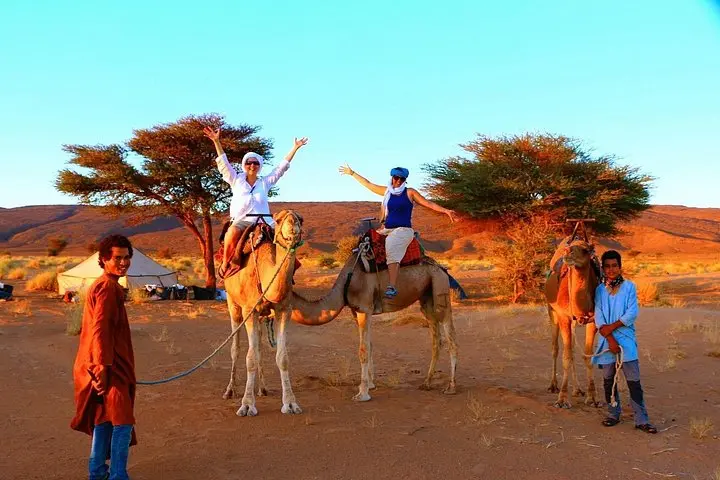
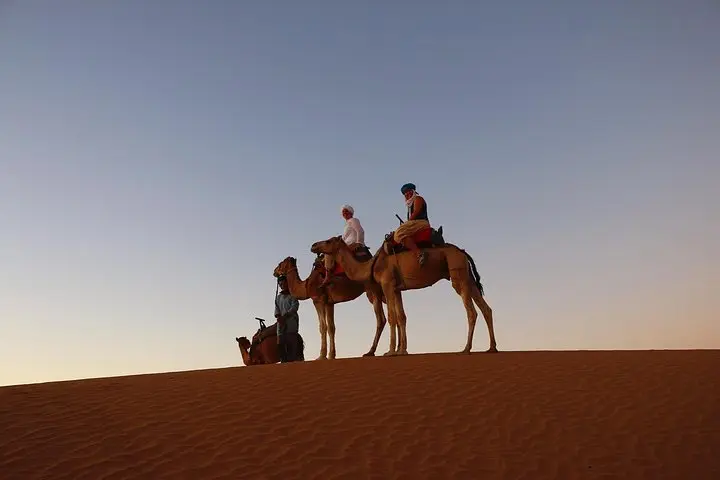
Sand sifts underfoot and a caravan tees off at dawn: this is the cadence of a 12-day private trek that begins in Ouarzazate and carries you through date‑lined valleys, volcanic hamadas and the great dunes of Erg Chegaga.
Verified experiences and guided adventures in the surrounding area.
Operated by Explore Morocco Travel SARL · Ouarzazate, Drâa-Tafilalet
Sand sifts underfoot and a caravan tees off at dawn: this is the cadence of a 12-day private trek that begins in Ouarzazate and carries you through date‑lined valleys, volcanic hamadas and the great dunes of Erg Chegaga.
You move from town kasbahs and Atlas film sets into a landscape shaped by wind and ancient trade routes. The Draa Valley still supports broad palm groves and small settlements that grew along caravan corridors. Geologically the route shifts from Anti‑Atlas folded rock and canyon to gravelly plateaus and soft aeolian dunes; some ridges here reach 25–35 m, enough to challenge your legs and reward your view.
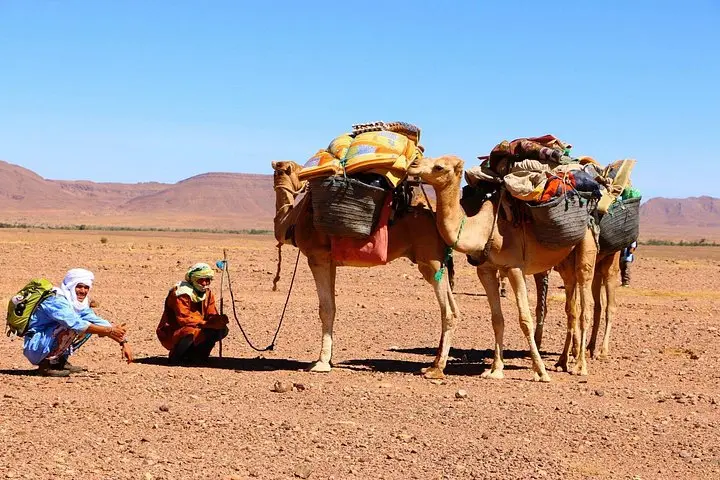
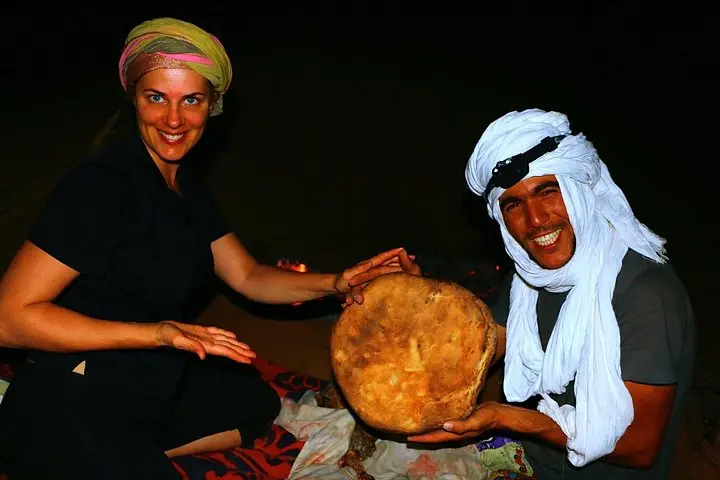
Cultural notes arrive with every stop: Aït Ben Haddou’s clay ksar speaks of mud‑brick construction and film history, while Tamegroute holds a coranic library and traditional pottery. Local guides and camel drivers keep the rhythm—camels carry baggage, cooks set up communal tents and Berber music punctuates evening fires.
Practically, expect daily hiking between 11–18 km across sand, hardened trails and occasional hamada. Temperatures swing widely—hot by day, cold at night—so plan for 3–4 L daily hydration, breathable sun protection, and warm layers for camps. Footwear with good ankle support and gaiters helps in soft dunes; start early to avoid heat, pace for sand, and rely on guides for navigation. Respect water sources and local customs: the desert is generous but fragile, and this route asks for steady legs, good fitness and a readiness to trade comfort for the clarity of the night sky.
This itinerary targets experienced hikers: expect consecutive days of 11–18 km on sand and plateaus; good cardiovascular fitness and prior multi‑day experience are recommended.
Camels carry communal baggage and camping gear; bring a small personal duffel for essentials—documents, medication, a change of clothes and valuables—and a daypack for hikes.
Late autumn through spring (October–April) offers cooler daytime temperatures and milder nights; summers can be extremely hot and less comfortable for lengthy walks.
Yes—local guides, camel drivers and cooks are included, along with breakfast, lunch and dinner on trekking days; riad stays and some museum admissions are also covered.
Explore Morocco Travel SARL operates guided outdoor trips and adventures with an emphasis on safety, stewardship, and memorable experiences.
Sand sifts underfoot and a caravan tees off at dawn: this is the cadence of a 12-day private trek that begins in Ouarzazate and carries you through date‑lined valleys, volcanic hamadas and the great dunes of Erg Chegaga.
Sand sifts underfoot and a caravan tees off at dawn: this is the cadence of a 12-day private trek that begins in Ouarzazate and carries you through date‑lined valleys, volcanic hamadas and the great dunes of Erg Chegaga.
You move from town kasbahs and Atlas film sets into a landscape shaped by wind and ancient trade routes. The Draa Valley still supports broad palm groves and small settlements that grew along caravan corridors. Geologically the route shifts from Anti‑Atlas folded rock and canyon to gravelly plateaus and soft aeolian dunes; some ridges here reach 25–35 m, enough to challenge your legs and reward your view.
Cultural notes arrive with every stop: Aït Ben Haddou’s clay ksar speaks of mud‑brick construction and film history, while Tamegroute holds a coranic library and traditional pottery. Local guides and camel drivers keep the rhythm—camels carry baggage, cooks set up communal tents and Berber music punctuates evening fires.
Practically, expect daily hiking between 11–18 km across sand, hardened trails and occasional hamada. Temperatures swing widely—hot by day, cold at night—so plan for 3–4 L daily hydration, breathable sun protection, and warm layers for camps. Footwear with good ankle support and gaiters helps in soft dunes; start early to avoid heat, pace for sand, and rely on guides for navigation. Respect water sources and local customs: the desert is generous but fragile, and this route asks for steady legs, good fitness and a readiness to trade comfort for the clarity of the night sky.