THE ADVENTURE COLLECTIVE® · Independent discovery and booking for outdoor travel

A 12‑day private circuit through China’s headline sites and landscapes—from the Forbidden City and Mutianyu Great Wall to the Terracotta Army, Longji rice terraces and Shanghai skyline. Practical pacing, key logistics and what to expect on the road.
A 12‑day private circuit through China’s headline sites and landscapes—from the Forbidden City and Mutianyu Great Wall to the Terracotta Army, Longji rice terraces and Shanghai skyline. Practical pacing, key logistics and what to expect on the road.
You step out of Beijing Capital Airport into a hard, cool light and the skyline folds into low temple roofs and sudden glass towers. Over the next twelve days the country will shift under your feet — imperial courtyards, a living city wall, limestone karsts sliding like waves along the Li River, and Shanghai’s glassy riverfront that stares back at you.
Verified experiences and guided adventures in the surrounding area.
Operated by Sunflower Tours China · Beijing, Beijing
You step out of Beijing Capital Airport into a hard, cool light and the skyline folds into low temple roofs and sudden glass towers. Over the next twelve days the country will shift under your feet — imperial courtyards, a living city wall, limestone karsts sliding like waves along the Li River, and Shanghai’s glassy riverfront that stares back at you.
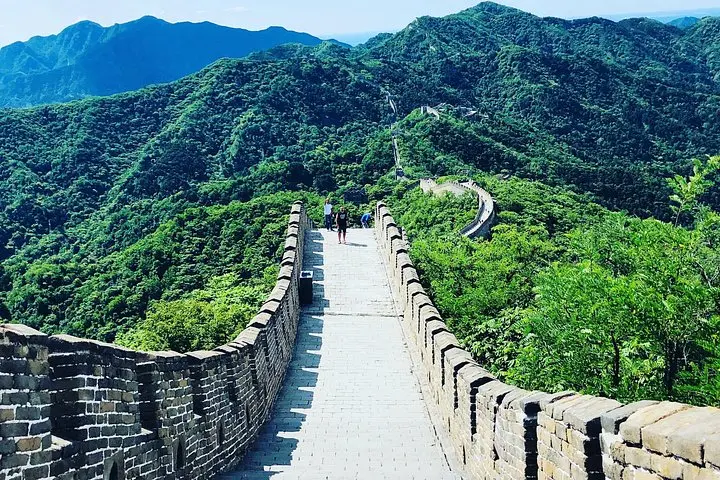
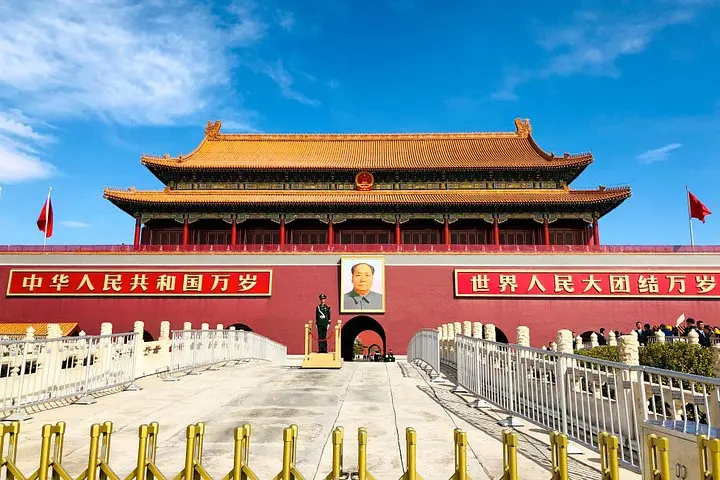
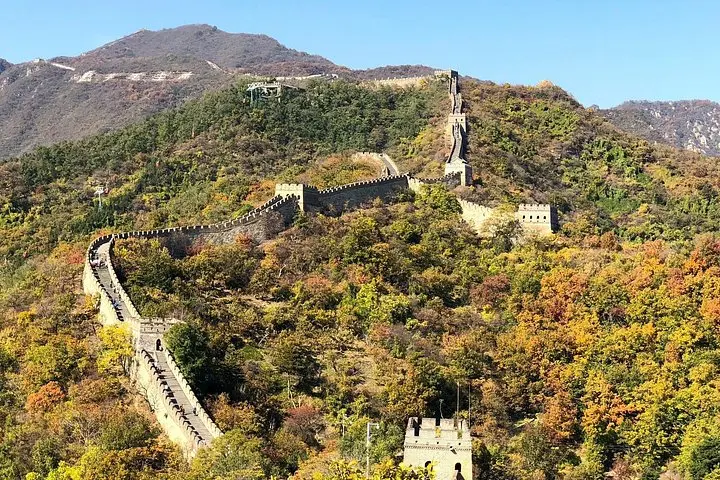
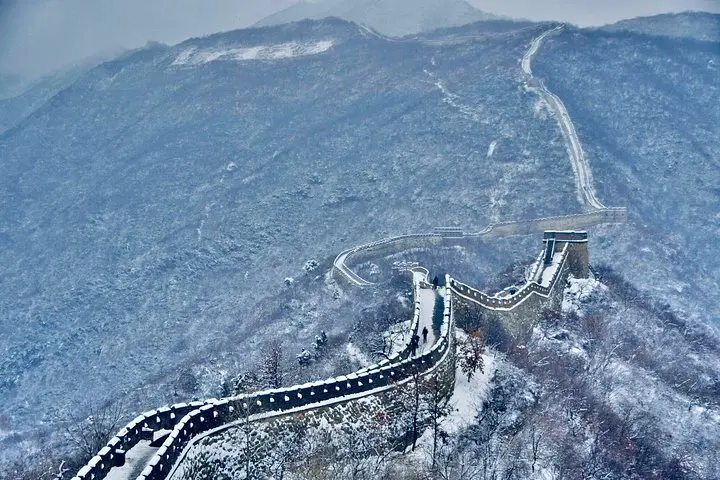
This itinerary threads together UNESCO sites and regional landscapes. In Beijing, walk the Forbidden City’s 600‑year courtyards and hike the Mutianyu section of the Great Wall that clings to granite ridges. In Xi’an the Terracotta Army speaks to Qin dynasty funerary engineering; the city wall offers an 8.7‑mile loop of Ming masonry. Guilin and Longji expose southern China’s karst geology and terraced rice agriculture carved into the slopes over centuries. Shanghai contrasts colonial Bund facades with ultramodern towers — a study in 20th‑century trade and 21st‑century growth.
Expect a pace of guided mornings and free afternoons, with several short hikes and stair climbs (Great Wall, Longji terraces, Tiger Hill stairs). Cultural rhythm matters: markets hum at breakfast, tea houses close late.
Practical essentials: carry a comfortable pair of walking shoes, a light rain shell, and a small daypack; keep passport and visa documents handy. Hydrate in cities (tap water is not recommended), use local SIM or eSIM for maps, and plan more time for site queues during national holidays. Travel credit cards work in major cities, but bring cash for rural villages. With moderate fitness and sensible gear, this tour delivers a compact, ground‑level survey of China’s history and landscapes.
Most nationalities require a Chinese visa obtained before arrival — check current embassy requirements and allow processing time.
Both sites involve stairs and uneven terrain; the Mutianyu Great Wall is more restored and family‑friendly, but bring good shoes and take breaks.
Each day mixes guided visits with free afternoons or evenings in major cities for shopping, meals or optional excursions.
Tipping is appreciated though not mandatory; modest tips for private guides and drivers are common practice on private tours.
Sunflower Tours China operates guided outdoor trips and adventures with an emphasis on safety, stewardship, and memorable experiences.
You step out of Beijing Capital Airport into a hard, cool light and the skyline folds into low temple roofs and sudden glass towers. Over the next twelve days the country will shift under your feet — imperial courtyards, a living city wall, limestone karsts sliding like waves along the Li River, and Shanghai’s glassy riverfront that stares back at you.
You step out of Beijing Capital Airport into a hard, cool light and the skyline folds into low temple roofs and sudden glass towers. Over the next twelve days the country will shift under your feet — imperial courtyards, a living city wall, limestone karsts sliding like waves along the Li River, and Shanghai’s glassy riverfront that stares back at you.
This itinerary threads together UNESCO sites and regional landscapes. In Beijing, walk the Forbidden City’s 600‑year courtyards and hike the Mutianyu section of the Great Wall that clings to granite ridges. In Xi’an the Terracotta Army speaks to Qin dynasty funerary engineering; the city wall offers an 8.7‑mile loop of Ming masonry. Guilin and Longji expose southern China’s karst geology and terraced rice agriculture carved into the slopes over centuries. Shanghai contrasts colonial Bund facades with ultramodern towers — a study in 20th‑century trade and 21st‑century growth.
Expect a pace of guided mornings and free afternoons, with several short hikes and stair climbs (Great Wall, Longji terraces, Tiger Hill stairs). Cultural rhythm matters: markets hum at breakfast, tea houses close late.
Practical essentials: carry a comfortable pair of walking shoes, a light rain shell, and a small daypack; keep passport and visa documents handy. Hydrate in cities (tap water is not recommended), use local SIM or eSIM for maps, and plan more time for site queues during national holidays. Travel credit cards work in major cities, but bring cash for rural villages. With moderate fitness and sensible gear, this tour delivers a compact, ground‑level survey of China’s history and landscapes.