THE ADVENTURE COLLECTIVE® · Independent discovery and booking for outdoor travel

Travel from Lisbon to the Douro over 12 days of hands-on tastings, historic villages, and vineyard visits. This private tour blends culinary craft, UNESCO sites, and small-group comfort for travelers who want flavor with context.
Travel from Lisbon to the Douro over 12 days of hands-on tastings, historic villages, and vineyard visits. This private tour blends culinary craft, UNESCO sites, and small-group comfort for travelers who want flavor with context.
Morning light settles on Lisbon’s red roofs as an eight-seat Mercedes slips away toward country lanes, and the tour’s first promise — food that maps the past — begins.
Verified experiences and guided adventures in the surrounding area.
Operated by Portugaltripsandtours · Lisbon, Lisboa
Morning light settles on Lisbon’s red roofs as an eight-seat Mercedes slips away toward country lanes, and the tour’s first promise — food that maps the past — begins.
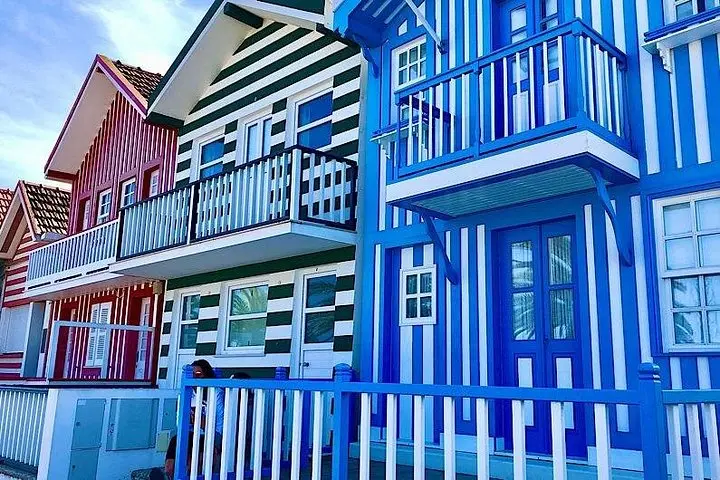
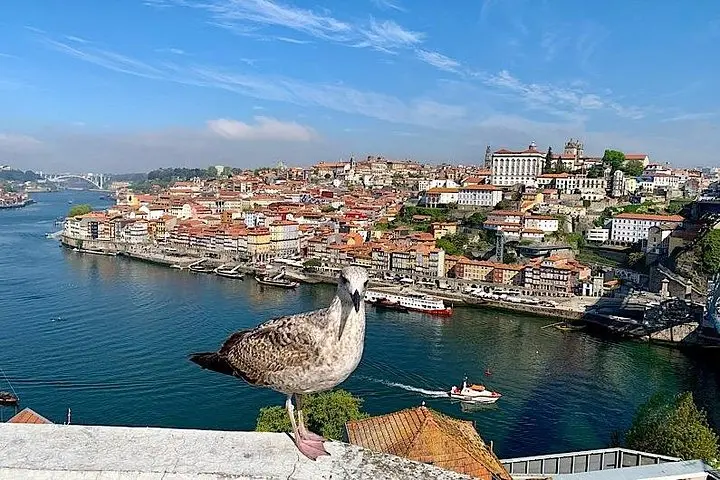
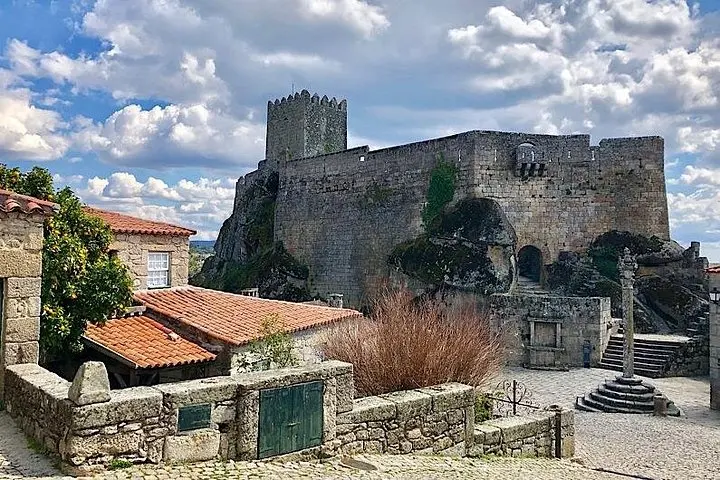
Across twelve days you'll move between Portugal and Spain: medieval Óbidos and Ávila's Romanesque walls, the glinting Tagus in Lisbon, the granite and schist slopes of Serra da Estrela, and the vine terraces of the Douro. Geology shapes the menus - granite uplands yield sheep cheeses, schist villages cradle smoky pork dishes, river sediments nourish ports and espumantes. Centuries of trade and empire surface in market stalls, in salt harvested from Aveiro pans, and in Toledo’s blades, where sword-making links craft, ritual and regional identity.
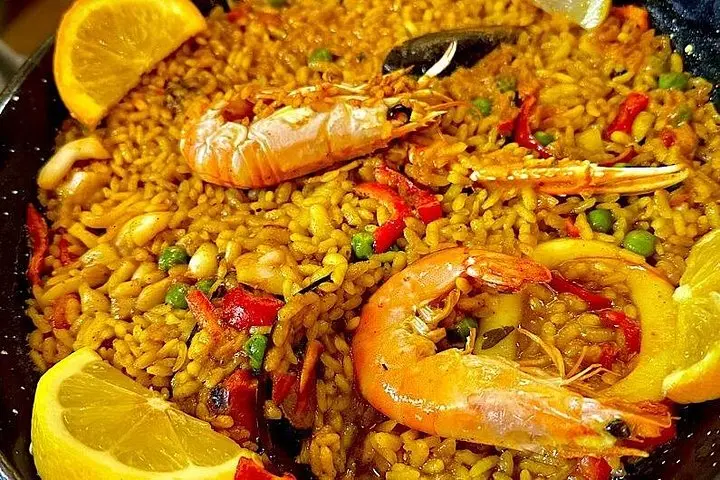
Meals double as fieldwork: cheese makers, canned-fish ateliers, Pata Negra curing rooms and boutique quintas invite hands-on learning that pairs flavor with technique. Between tastings, cities offer art and architecture - Lisbon’s Jerónimos Monastery, Salamanca’s Plateresque façades, Madrid’s Prado - while rural roads reveal viewpoints that make quiet case for the slow route.
Practically: expect light walking through cobbled streets, short vineyard visits, and multiple seated tastings each day. Pack comfortable walking shoes, layers for coastal winds and inland chill, a small daypack for purchases, and adaptors for electronics. Carry a reusable water bottle and a small amount of cash for market stalls. Pace your tastings, hydrate between sessions, and leave space in your luggage for the bottles and cured goods you’ll want to bring home. Local guides translate menus and routes, making logistics effortless daily.
The itinerary notes wheelchair accessibility for vehicles and many sites, but accessibility at historic sites varies—contact the operator with specific mobility needs.
Daily schedules include multiple seated tastings and visits; the exact number varies by day and activity and some experiences are optional and paid on-site.
This is a private tour with flexibility—operators typically accommodate hotel categories, additional activities and some itinerary adjustments on request.
Bottles of wine/port, local cheeses, cured meats, and regional preserves are popular; check customs rules for transport and leave room in your luggage.
Portugaltripsandtours operates guided outdoor trips and adventures with an emphasis on safety, stewardship, and memorable experiences.
Morning light settles on Lisbon’s red roofs as an eight-seat Mercedes slips away toward country lanes, and the tour’s first promise — food that maps the past — begins.
Morning light settles on Lisbon’s red roofs as an eight-seat Mercedes slips away toward country lanes, and the tour’s first promise — food that maps the past — begins.
Across twelve days you'll move between Portugal and Spain: medieval Óbidos and Ávila's Romanesque walls, the glinting Tagus in Lisbon, the granite and schist slopes of Serra da Estrela, and the vine terraces of the Douro. Geology shapes the menus - granite uplands yield sheep cheeses, schist villages cradle smoky pork dishes, river sediments nourish ports and espumantes. Centuries of trade and empire surface in market stalls, in salt harvested from Aveiro pans, and in Toledo’s blades, where sword-making links craft, ritual and regional identity.
Meals double as fieldwork: cheese makers, canned-fish ateliers, Pata Negra curing rooms and boutique quintas invite hands-on learning that pairs flavor with technique. Between tastings, cities offer art and architecture - Lisbon’s Jerónimos Monastery, Salamanca’s Plateresque façades, Madrid’s Prado - while rural roads reveal viewpoints that make quiet case for the slow route.
Practically: expect light walking through cobbled streets, short vineyard visits, and multiple seated tastings each day. Pack comfortable walking shoes, layers for coastal winds and inland chill, a small daypack for purchases, and adaptors for electronics. Carry a reusable water bottle and a small amount of cash for market stalls. Pace your tastings, hydrate between sessions, and leave space in your luggage for the bottles and cured goods you’ll want to bring home. Local guides translate menus and routes, making logistics effortless daily.