THE ADVENTURE COLLECTIVE® · Independent discovery and booking for outdoor travel

A private 12-day circuit from Agadir to the Sahara that blends Morocco’s imperial cities, High Atlas passes and a night in Erg Chebbi’s dunes. Expect long drives balanced by curated cultural stops, desert camping, and local-guided experiences.
A private 12-day circuit from Agadir to the Sahara that blends Morocco’s imperial cities, High Atlas passes and a night in Erg Chebbi’s dunes. Expect long drives balanced by curated cultural stops, desert camping, and local-guided experiences.
Morning light spills across Agadir’s crescent bay as a driver opens the door and the Atlantic wind pushes you toward wide roads and changing country.
Verified experiences and guided adventures in the surrounding area.
Operated by Bouquet Tours · Agadir, Souss-Massa
Morning light spills across Agadir’s crescent bay as a driver opens the door and the Atlantic wind pushes you toward wide roads and changing country.
Over twelve days the route alternates between ocean spray, High Atlas switchbacks and the silent theatre of Erg Chebbi. Travelers move from the fisheries and argan cooperatives of Agadir to Essaouira’s cannon-lined port, the crowded alleys of Fez and the cobalt steps of Chefchaouen, before trading cobblestones for rolling dunes that dare you to climb them at dawn.
This itinerary threads imperial history and geology: Marrakech, Fes and Meknes grew where caravans met craft; the Atlas Mountains rose by tectonic collision and now carve weather and culture into village life. Erg Chebbi’s dunes—some reaching roughly 150 meters—are wind-sculpted sand seas fed by Saharan winds and seasonal wadis. Along the way, Amazigh (Berber) customs, Gnawa musical traditions from Khamlia and centuries-old kasbah architecture anchor the experience.
Expect varied terrain: paved highways and mountain passes (Tizi n’Tichka tops about 2,260 m), narrow medina alleys best navigated on foot, and desert tracks reached by camel or 4x4. Daily travel includes multiple long driving stretches (commonly 4–7 hours) interspersed with short hikes and cultural stops.
Practical edge: book morning starts for cooler sightseeing and desert sunrises for photography; carry layered clothing for cold nights at altitude and in the desert, and a reliable water bottle—water is scarce outside towns. Support local cooperatives when buying crafts, respect medina traffic rules, and allow rest before strenuous desert treks.
The tour is suitable for most travelers with light-to-moderate fitness—expect walking on uneven surfaces, short hikes and several long driving days.
Bring a small soft duffel for the camel portion (hard suitcases are harder to load); larger luggage stays with the support vehicle or camp.
Most breakfasts and selected dinners are included; accommodations range from riads and hotels to a desert camp night as listed in the itinerary.
Spring (March–May) and fall (September–October) offer the best balance of mild temperatures; winters can be cold in the Atlas and summers are very hot in the desert.
Bouquet Tours operates guided outdoor trips and adventures with an emphasis on safety, stewardship, and memorable experiences.
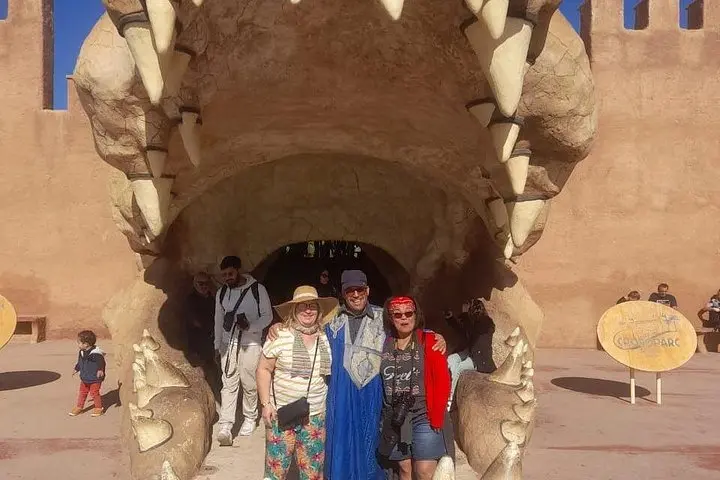
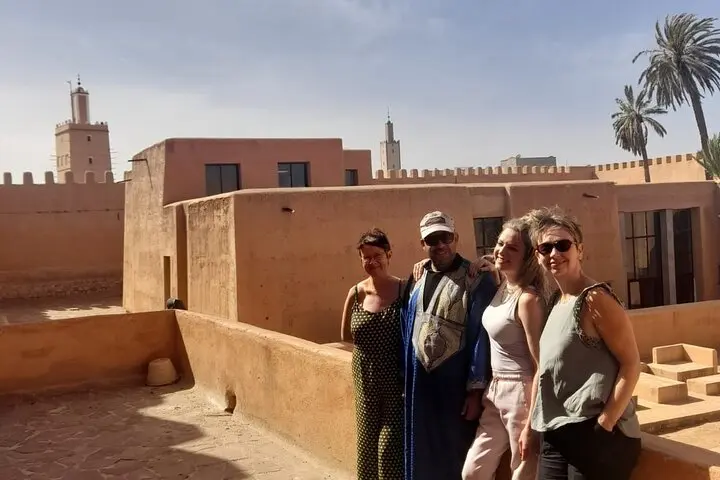
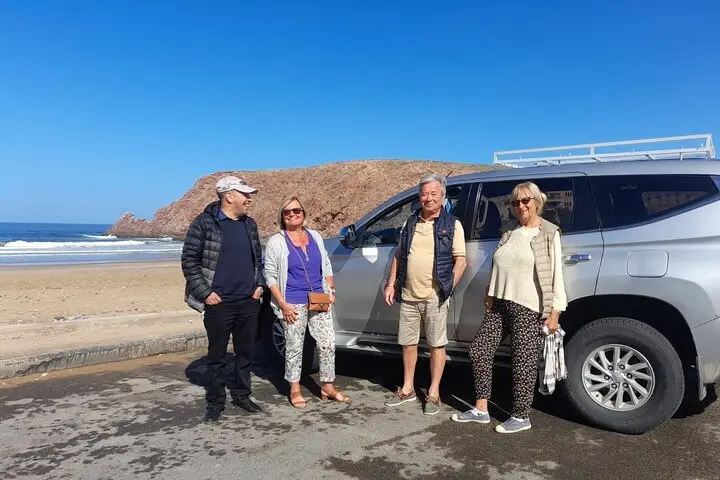
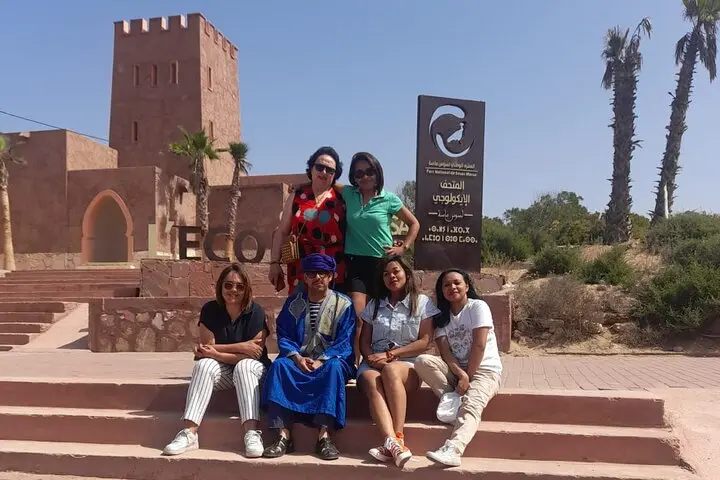
Morning light spills across Agadir’s crescent bay as a driver opens the door and the Atlantic wind pushes you toward wide roads and changing country.
Morning light spills across Agadir’s crescent bay as a driver opens the door and the Atlantic wind pushes you toward wide roads and changing country.
Over twelve days the route alternates between ocean spray, High Atlas switchbacks and the silent theatre of Erg Chebbi. Travelers move from the fisheries and argan cooperatives of Agadir to Essaouira’s cannon-lined port, the crowded alleys of Fez and the cobalt steps of Chefchaouen, before trading cobblestones for rolling dunes that dare you to climb them at dawn.
This itinerary threads imperial history and geology: Marrakech, Fes and Meknes grew where caravans met craft; the Atlas Mountains rose by tectonic collision and now carve weather and culture into village life. Erg Chebbi’s dunes—some reaching roughly 150 meters—are wind-sculpted sand seas fed by Saharan winds and seasonal wadis. Along the way, Amazigh (Berber) customs, Gnawa musical traditions from Khamlia and centuries-old kasbah architecture anchor the experience.
Expect varied terrain: paved highways and mountain passes (Tizi n’Tichka tops about 2,260 m), narrow medina alleys best navigated on foot, and desert tracks reached by camel or 4x4. Daily travel includes multiple long driving stretches (commonly 4–7 hours) interspersed with short hikes and cultural stops.
Practical edge: book morning starts for cooler sightseeing and desert sunrises for photography; carry layered clothing for cold nights at altitude and in the desert, and a reliable water bottle—water is scarce outside towns. Support local cooperatives when buying crafts, respect medina traffic rules, and allow rest before strenuous desert treks.