THE ADVENTURE COLLECTIVE® · Independent discovery and booking for outdoor travel

This 12-day private circuit connects Morocco’s imperial cities, the High Atlas and the Erg Chebbi dunes — blending guided medina walks, mountain passes and a desert camp overnight. Expect long drives, varied terrain and cultural depth with flexible free days to explore.
This 12-day private circuit connects Morocco’s imperial cities, the High Atlas and the Erg Chebbi dunes — blending guided medina walks, mountain passes and a desert camp overnight. Expect long drives, varied terrain and cultural depth with flexible free days to explore.
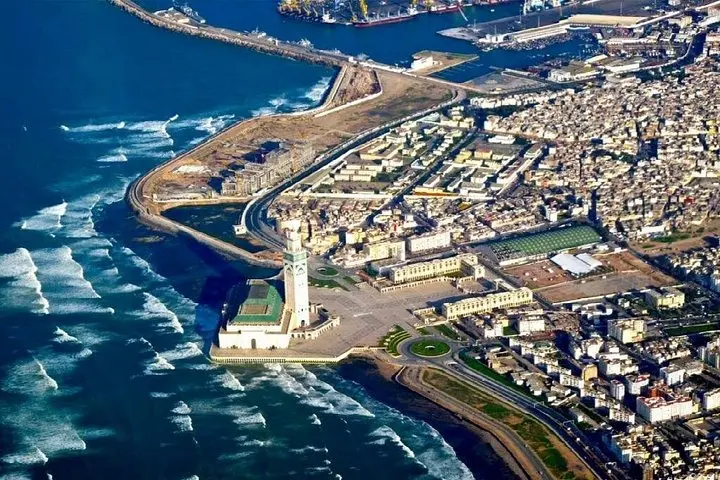
Dawn light slides across ochre walls as a private minivan threads out of Casablanca, carrying travelers toward blue alleys, high passes and a horizon of wind-sculpted sand.
Verified experiences and guided adventures in the surrounding area.
Operated by Safari Desert Tours · Casablanca, Casablanca-Settat
Dawn light slides across ochre walls as a private minivan threads out of Casablanca, carrying travelers toward blue alleys, high passes and a horizon of wind-sculpted sand.
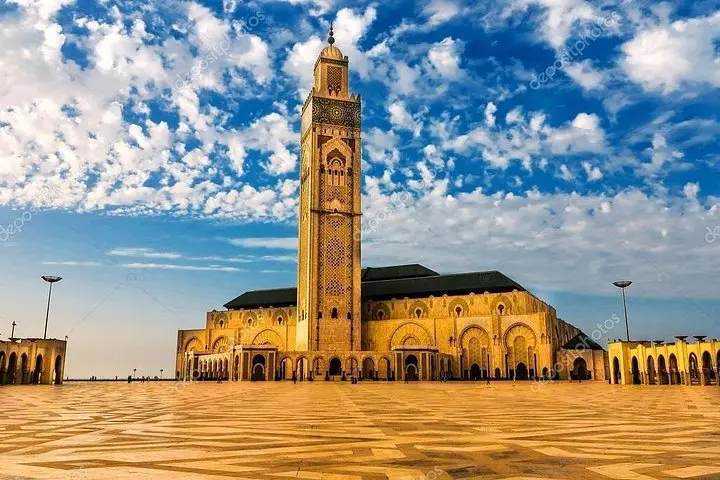
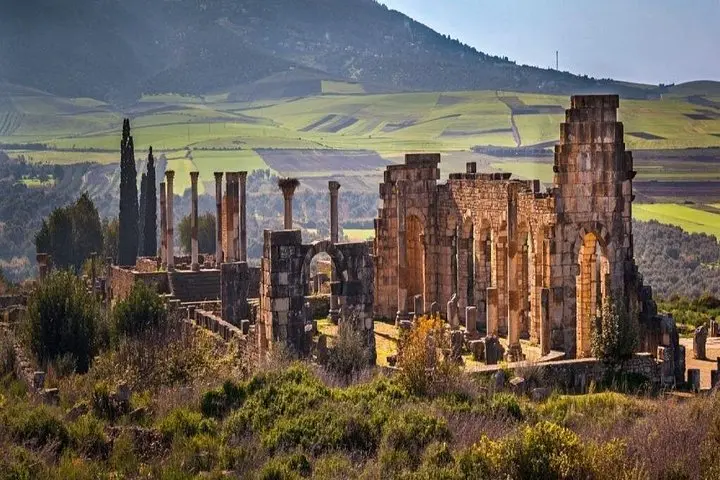
Over 12 days the route stitches Morocco’s humanities and geology together: Roman mosaics at Volubilis, the fortified kasbahs of the Atlas foothills, the red ramparts of Aït Ben Haddou and the rippled sea of Erg Chebbi. The High Atlas, breached by the Tizi n'Tichka pass at 2,260 m, records the collision of African and Eurasian plates; the southern plains record millennia of wind and water that built the Sahara’s dunes and fed oasis agriculture in the Ziz Valley.
Cultural notes are close at hand — Fes’s medina still hums with tanneries and artisans, Chefchaouen’s blue alleys reflect Andalusi and Berber influences, and small villages preserve seasonal rose farming and nomadic music in Khamlia. UNESCO sites feature regularly, and local guides connect history to landscape, from caravan routes to kasbah architecture.
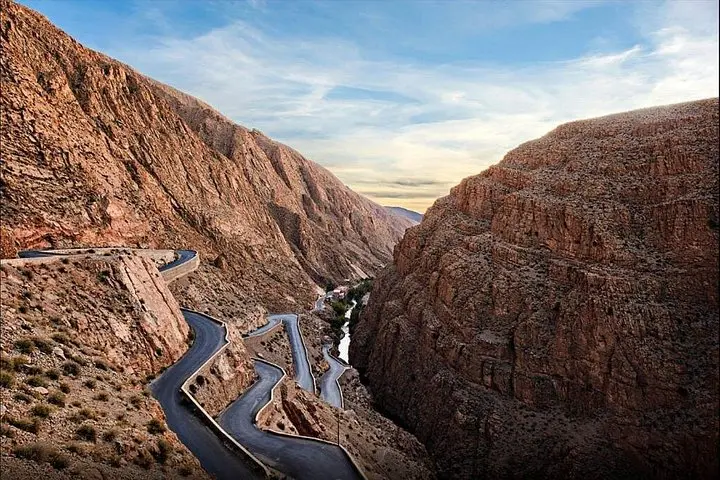
Practical guidance: expect long driving days (several 4–8 hour transfers), one-night desert camping with a 1.5-hour camel trek at sunset, guided medina walks and short hikes in Todra Gorge. Prepare for sharp temperature swings — hot days in the south, cool mountain nights — and uneven footing in medinas and gorges. Hydrate, wear sturdy walking shoes, layer clothing and leave flexible time for market explorations and photography. With basic fitness and a willingness to trade time on the road for diverse terrain, this private itinerary is an efficient way to tour Morocco’s imperial cities, mountains and sand seas.
Yes, the tour is private with an English-speaking driver; many operators allow adjustments to pace and optional stops subject to time and road conditions.
This is not a technical trip but includes long drives, walking in uneven medina lanes, short day hikes in gorges, and a camel ride of about 1.5 hours — basic mobility and stamina are recommended.
Most breakfasts (around 11) and two dinners are included along with a luxury desert camp night and multiple riad/hotel stays as listed in the itinerary; check the booking page for the full inclusions list.
Spring (March–May) and fall (September–November) offer the most comfortable temperatures across deserts and mountains; summers are hot in the south, winters can be cold in the Atlas.
Safari Desert Tours operates guided outdoor trips and adventures with an emphasis on safety, stewardship, and memorable experiences.
Dawn light slides across ochre walls as a private minivan threads out of Casablanca, carrying travelers toward blue alleys, high passes and a horizon of wind-sculpted sand.
Dawn light slides across ochre walls as a private minivan threads out of Casablanca, carrying travelers toward blue alleys, high passes and a horizon of wind-sculpted sand.
Over 12 days the route stitches Morocco’s humanities and geology together: Roman mosaics at Volubilis, the fortified kasbahs of the Atlas foothills, the red ramparts of Aït Ben Haddou and the rippled sea of Erg Chebbi. The High Atlas, breached by the Tizi n'Tichka pass at 2,260 m, records the collision of African and Eurasian plates; the southern plains record millennia of wind and water that built the Sahara’s dunes and fed oasis agriculture in the Ziz Valley.
Cultural notes are close at hand — Fes’s medina still hums with tanneries and artisans, Chefchaouen’s blue alleys reflect Andalusi and Berber influences, and small villages preserve seasonal rose farming and nomadic music in Khamlia. UNESCO sites feature regularly, and local guides connect history to landscape, from caravan routes to kasbah architecture.
Practical guidance: expect long driving days (several 4–8 hour transfers), one-night desert camping with a 1.5-hour camel trek at sunset, guided medina walks and short hikes in Todra Gorge. Prepare for sharp temperature swings — hot days in the south, cool mountain nights — and uneven footing in medinas and gorges. Hydrate, wear sturdy walking shoes, layer clothing and leave flexible time for market explorations and photography. With basic fitness and a willingness to trade time on the road for diverse terrain, this private itinerary is an efficient way to tour Morocco’s imperial cities, mountains and sand seas.